







Browse our expert advice articles below to learn more about window-blinds styles, features, and how they compare to other window treatments.
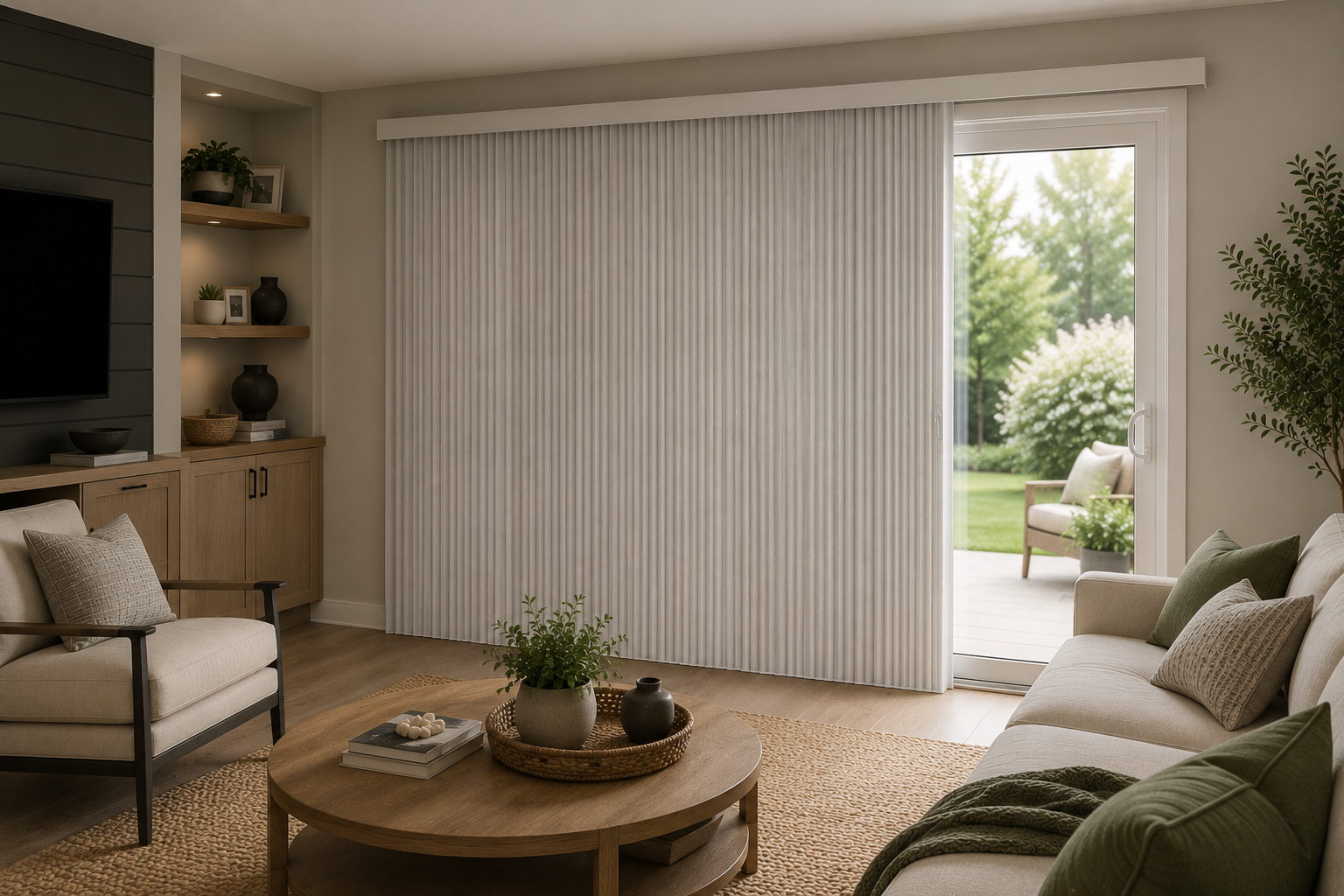
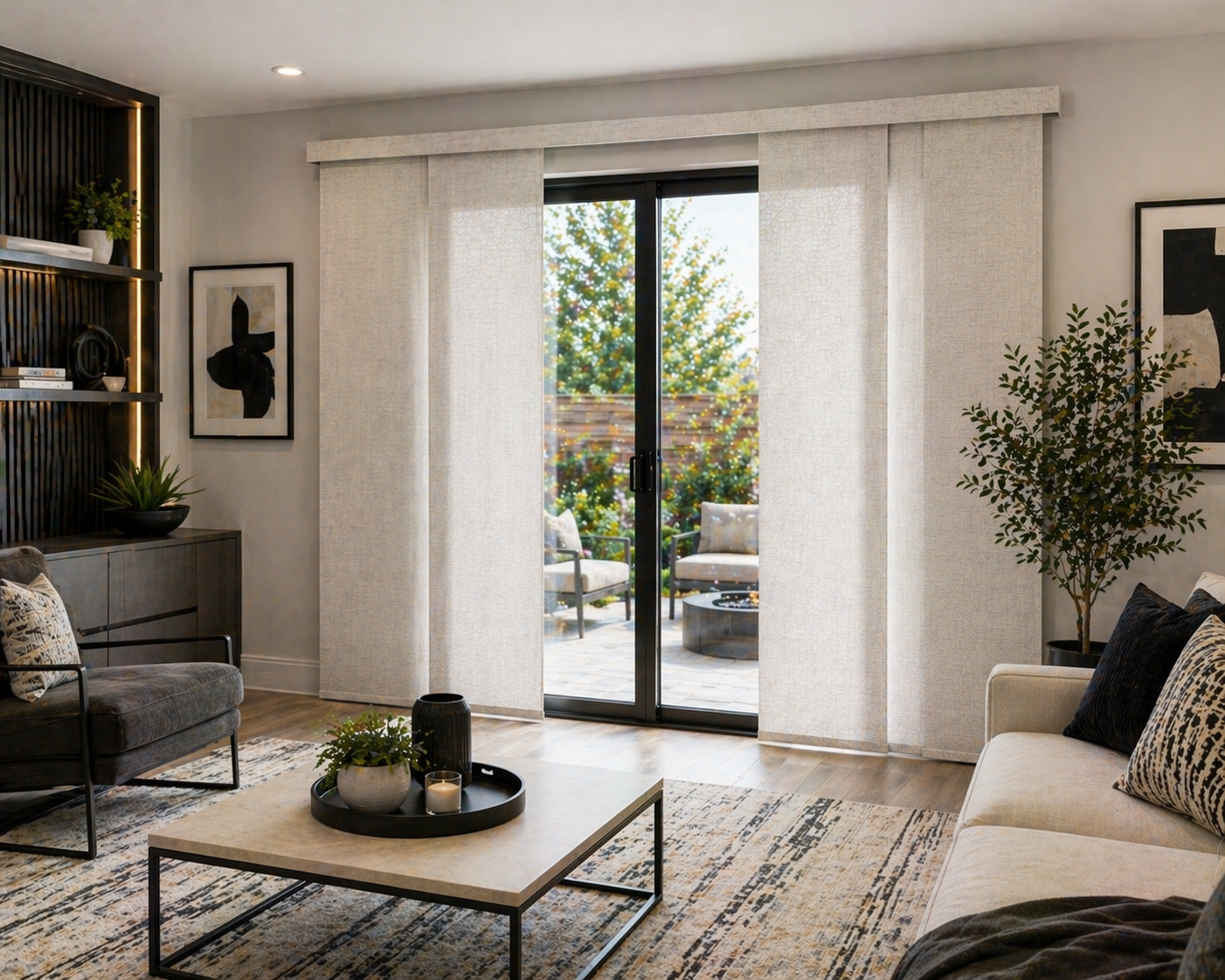
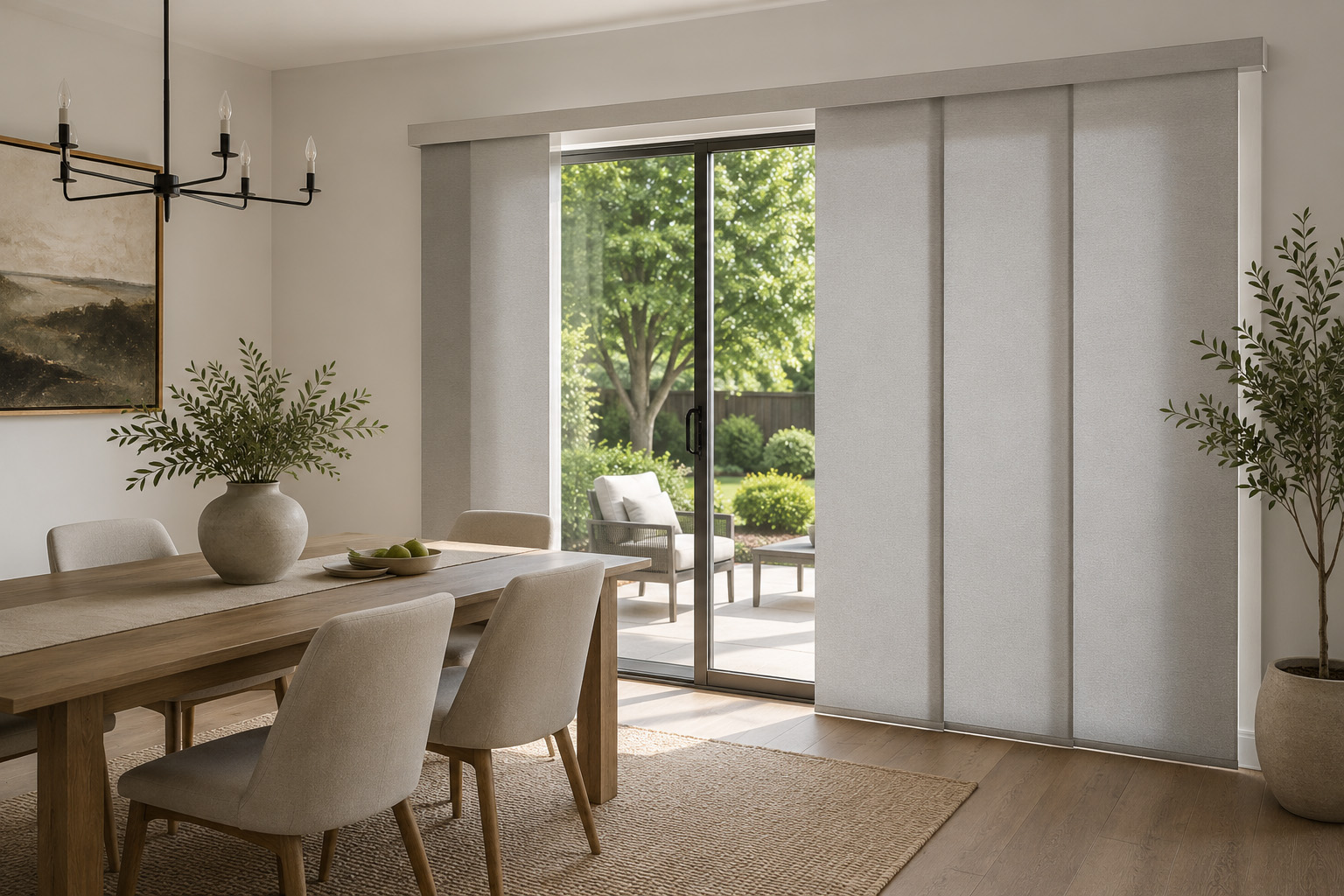
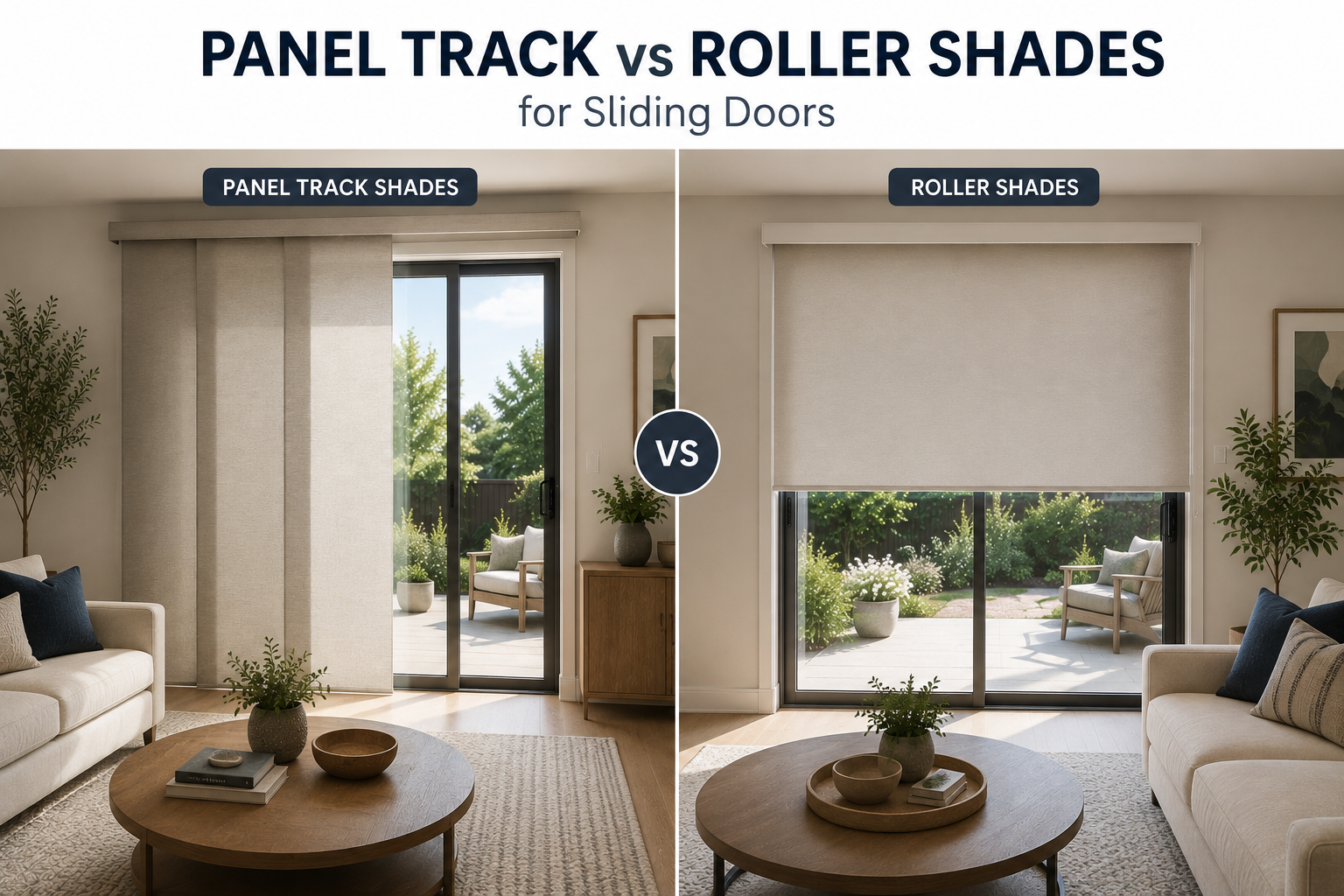
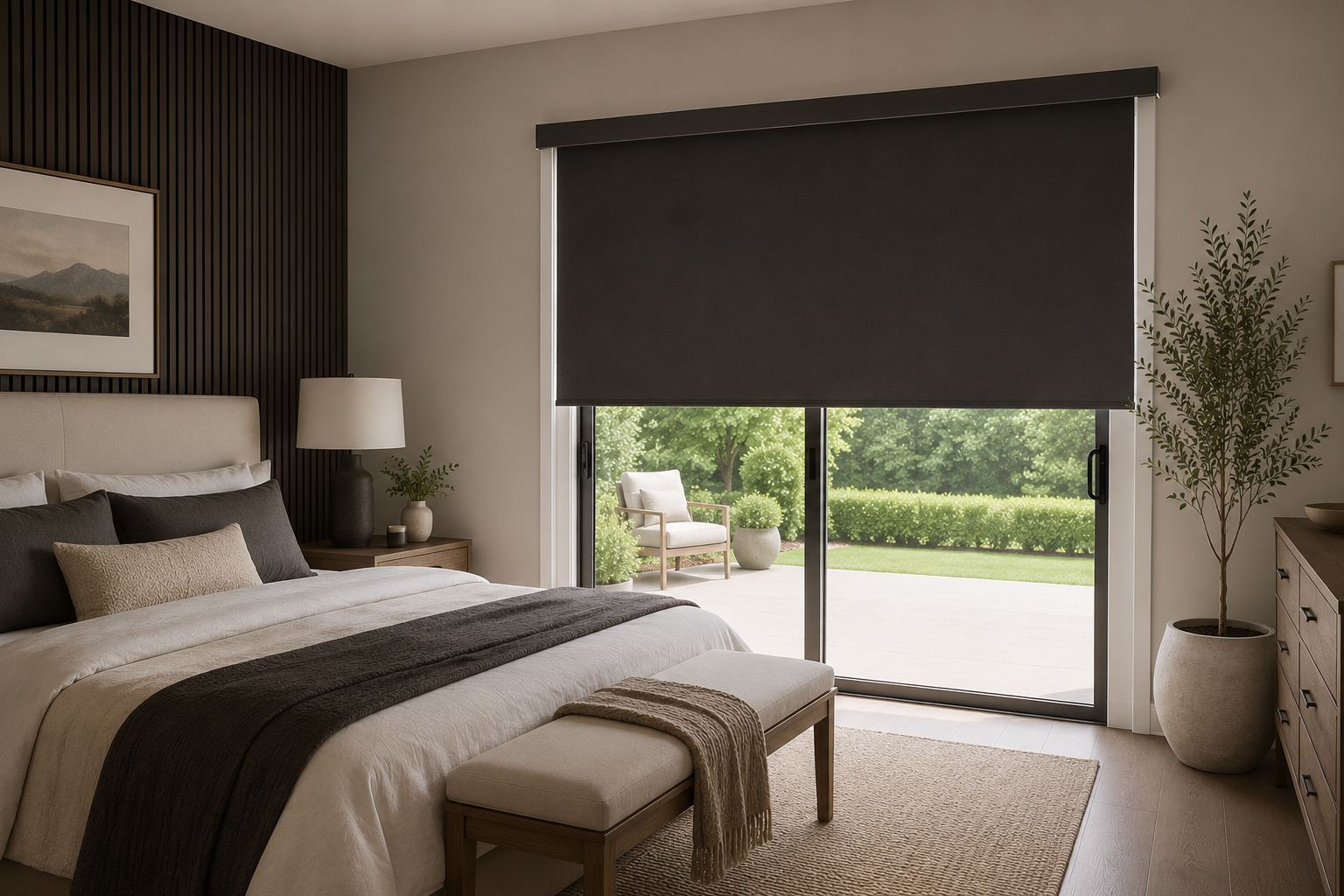
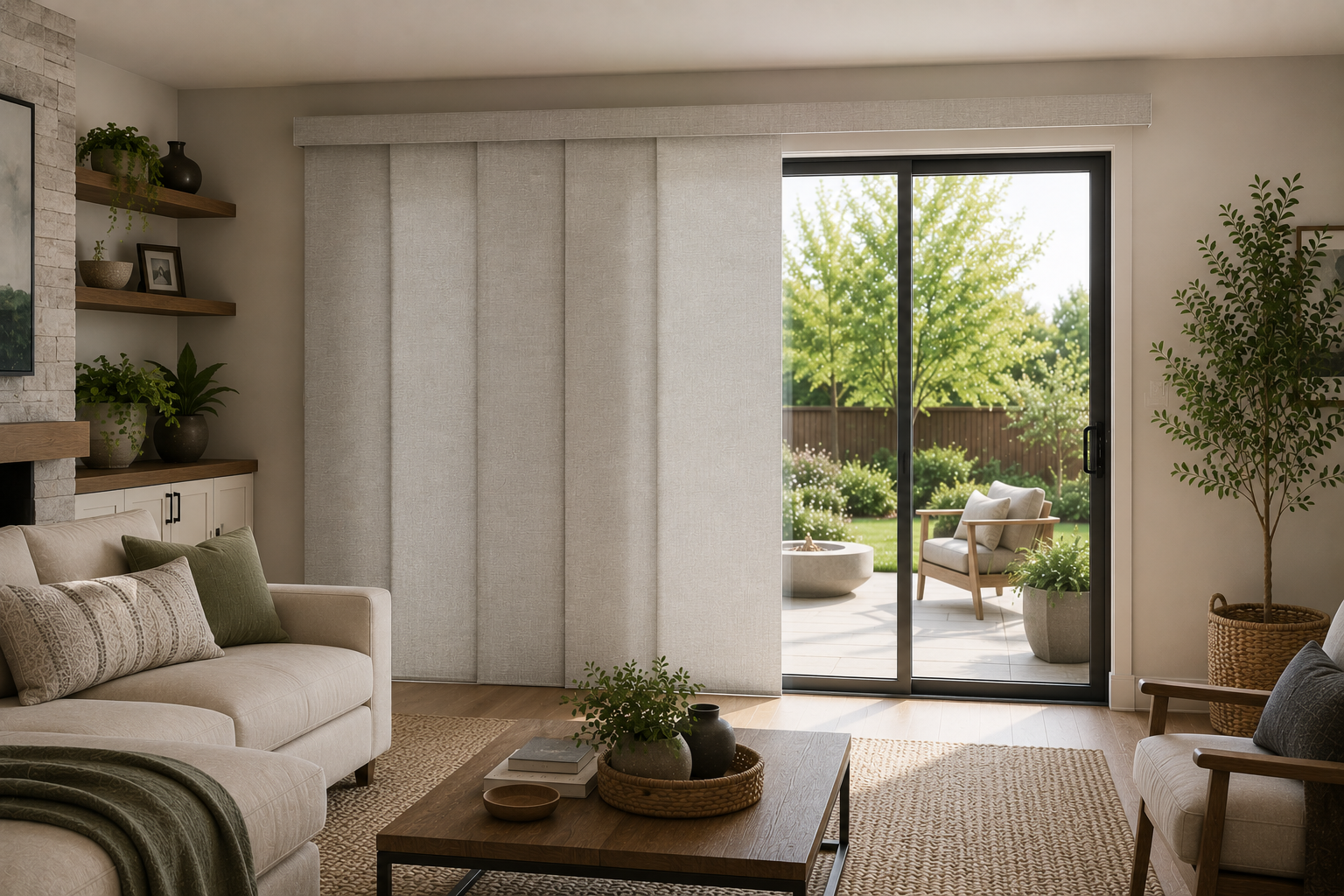
Choosing a window treatment for a large opening involves more than selecting a color or material. You also need to consider how the treatment opens, where it stacks, how frequently the door is used, the amount of privacy you need and whether light control or insulation is a priority.
This Expert Advice center brings together Blinds Chalet's educational resources about vertical blind alternatives. Use these guides to understand your options, compare different operating styles and prepare for shopping without repeating the detailed product information available on our vertical blind alternatives shopping page.
Start Here: Find the Right Vertical Blind Alternative Guide
Begin with the resource that most closely matches your question. Our comparison guides explain how different window treatments perform, while our buying advice helps you evaluate mounting space, door access, privacy, light control and other practical considerations.
Compare All Major Alternatives
Review the most common replacements for traditional vertical blinds and learn which types are better suited to modern style, insulation, privacy or frequent door access.
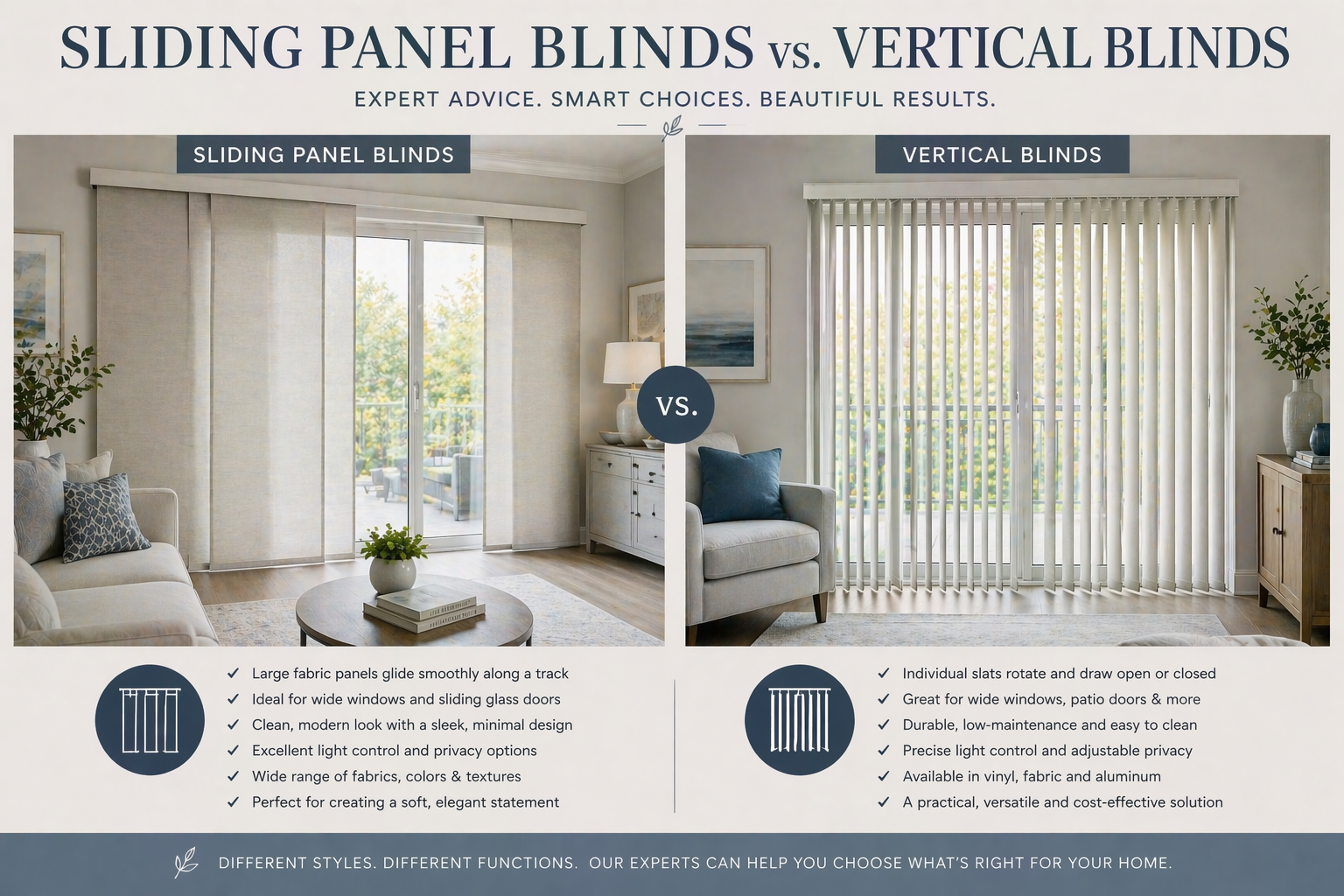
Compare Panel Tracks and Vertical Blinds
Learn how wide sliding panels compare with rotating vertical vanes in appearance, stacking space, light control and everyday operation.
Understand Panel Track Advantages and Limitations
Review the benefits and potential drawbacks of panel track blinds before choosing them for a patio door, oversized window or room divider.
Choose a Treatment for a Sliding Door
Explore window treatments that work with the size, operation and frequent use of a sliding glass or patio door.
Decide Whether Vertical Blinds Still Fit Your Needs
Consider the practical strengths and limitations of traditional vertical blinds before replacing them with a different type of window covering.
Research Vertical Blind Alternatives by Priority
The best place to begin depends on what you want to improve about your current window treatment. Use the following topics to narrow your research before comparing individual products.
Modern Appearance
Start with panel track blinds when you want to replace narrow vertical vanes with wider fabric panels and a cleaner horizontal operating system. Our panel track guides explain how the panels move, overlap and stack when opened.
Sliding-Door Access
Focus on window treatments that move horizontally when the opening is used frequently. Side-opening systems generally allow easier access than shades that must be raised from the bottom each time someone uses the door.
Adjustable Light Control
Consider how much control you want without fully opening the treatment. Traditional vertical blinds use rotating vanes, while many alternatives primarily adjust light by moving panels or fabric across the opening.
Privacy
Review the opacity of the selected material as well as gaps around the treatment. Sheer and screen materials may perform differently during the day and at night, while opaque fabrics generally provide stronger privacy.
Room Darkening
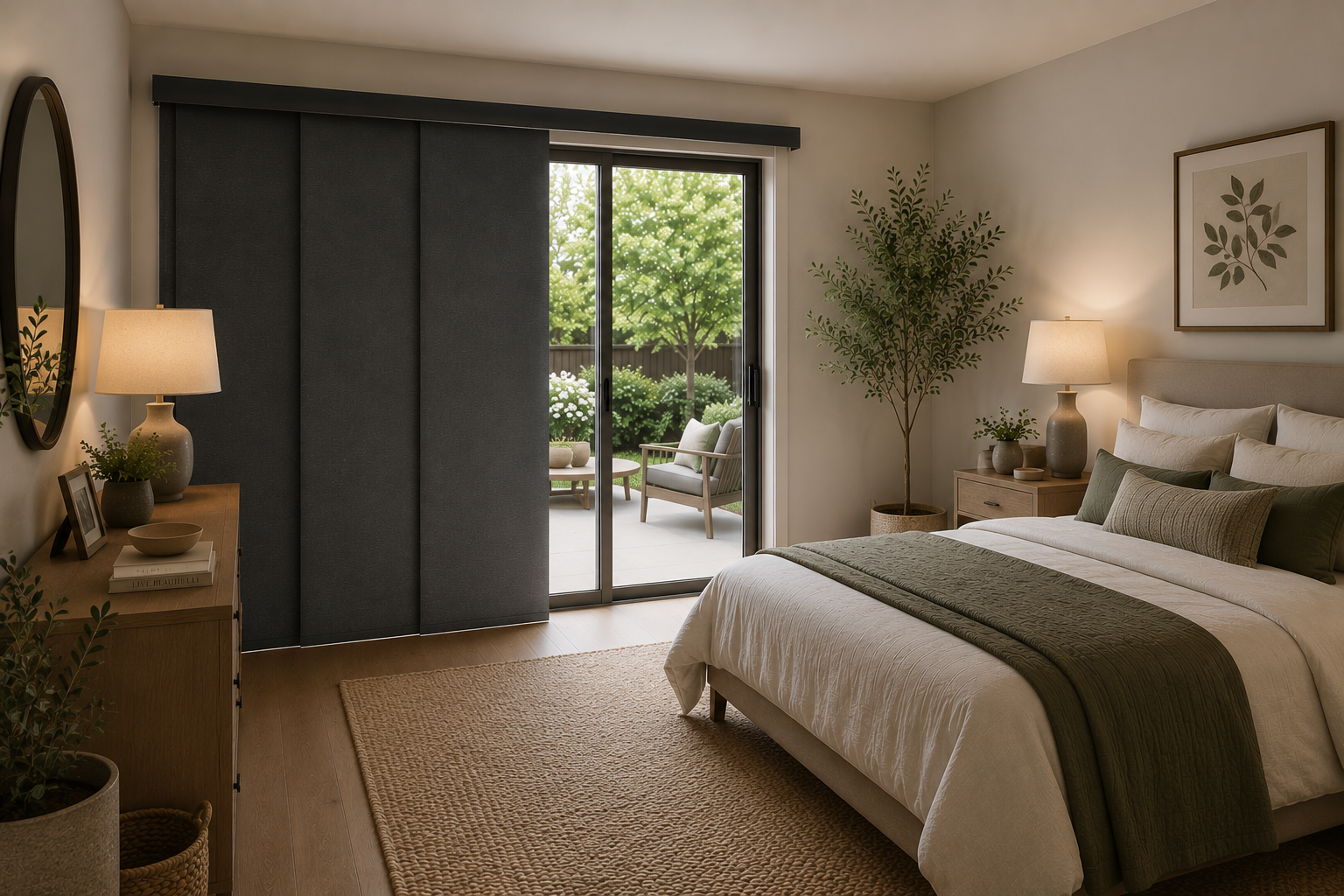
Research both the material and the complete installation. A room-darkening or blackout fabric may still allow light around the edges, between adjacent shades or where sliding panels overlap.
Energy Efficiency
Look beyond appearance when the door receives intense sun or feels drafty. Fabric construction, coverage, edge gaps and the fit around the opening can all influence comfort near a large area of glass.
Decorative Style
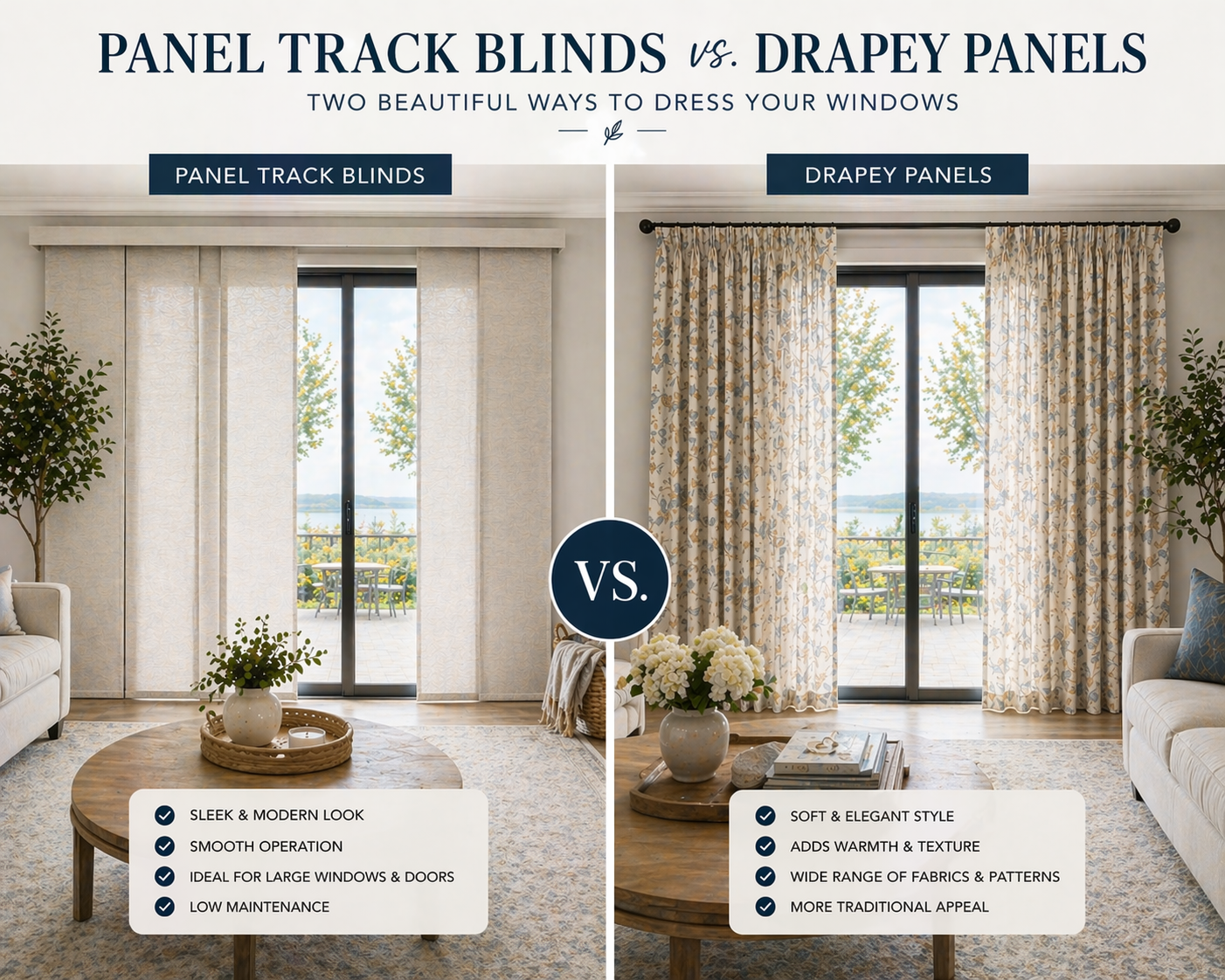
Consider natural woven drapes, vertical sheer treatments or other fabric-based options when softness, texture and coordination with the room are more important than the appearance of a traditional blind.
Types of Vertical Blind Alternatives You May Encounter
Vertical blind alternatives include several product categories rather than one specific type of blind. Understanding the basic operating style of each option can help you choose which guides to read next.
Panel Track Blinds
Panel track blinds use wide panels that move horizontally along a multi-channel track. They are commonly considered for sliding doors, oversized windows, room dividers and closet openings.
Vertical Cellular Sliders
Vertical cellular treatments extend across the opening from side to side and use honeycomb-style fabric. They are often researched by homeowners who want a soft fabric appearance and improved insulation around a large glass door.
Natural Woven Wood Drapes
Natural woven treatments use bamboo, grasses, reeds or other woven materials to create a warmer and more textured appearance. Their appearance and privacy can vary considerably based on the weave and whether a liner is selected.
Vertical Sheer Treatments
Vertical sheer window treatments combine soft fabric with adjustable vanes or panels. They are generally selected for a more decorative appearance while retaining some control over light and privacy.
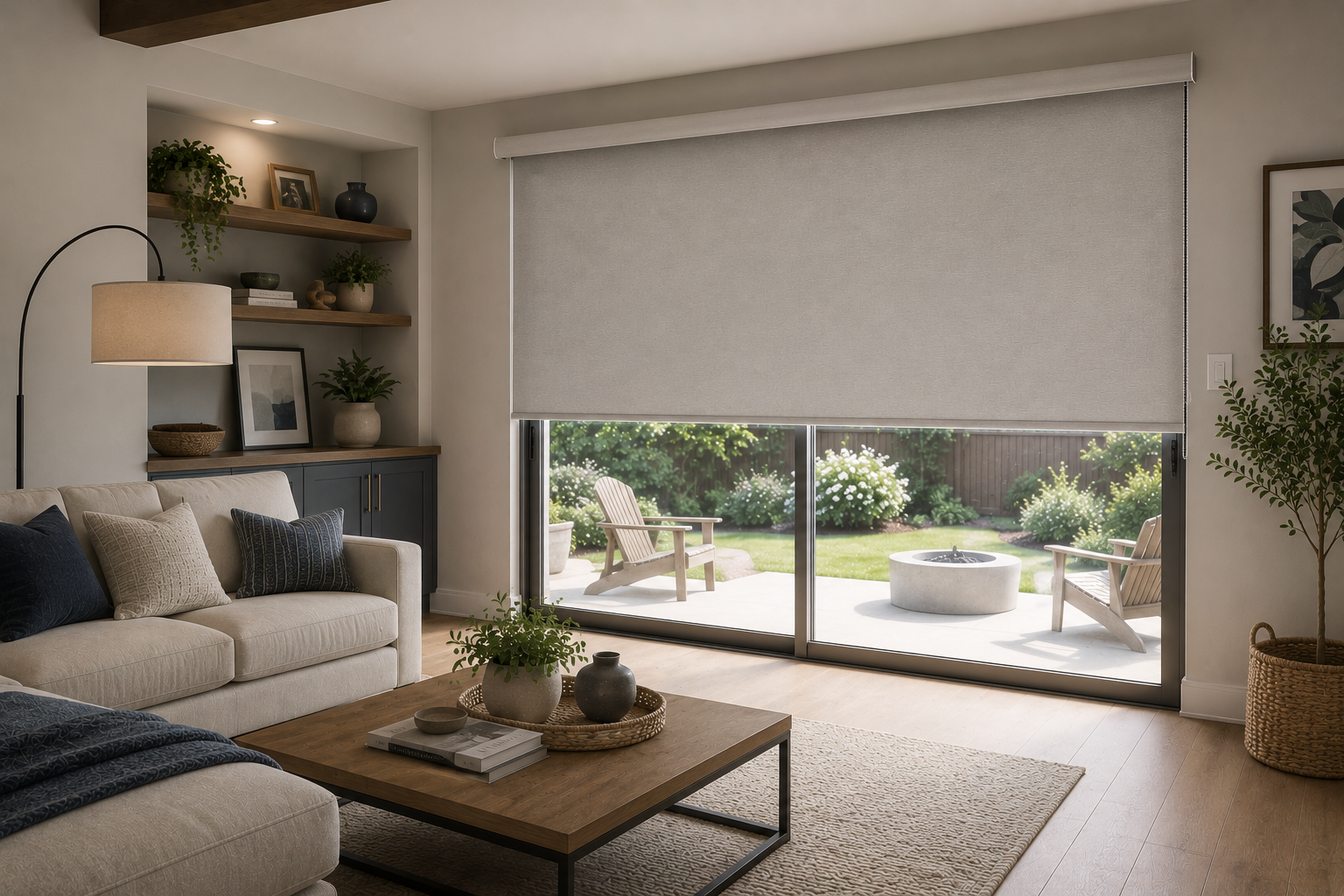
Roller Shades
Roller shades can sometimes be divided into multiple units across a large opening. This approach allows separate sections to operate independently but may create gaps between adjacent shades.
Traditional Vertical Blinds
Modern vertical blinds remain worth comparing with newer alternatives. Their rotating vanes and side-to-side operation can still be useful for frequently accessed doors and rooms that need directional light control.
Questions to Answer Before You Start Shopping
Gathering a few details about your opening will make it easier to use our comparison and buying guides effectively.
- Is the opening a sliding glass door, patio door, wide window, closet or room divider?
- What are the approximate width and height?
- Which section of the door opens?
- How frequently is the doorway used?
- How much wall space is available beside the opening?
- Is there enough depth for an inside mount?
- Are there handles, locks, trim or other obstructions?
- Is daytime privacy, nighttime privacy or both required?
- Do you need light filtering, glare reduction, room darkening or blackout?
- Is reducing heat gain or heat loss an important goal?
- Do you prefer a structured blind, soft fabric treatment or natural woven material?
- Would manual, cordless or motorized operation work best for the room?
Once you understand your priorities, use our vertical blind alternatives comparison to evaluate the main product types. When you are ready to review available products, visit our vertical blind alternative products.
How to Use Our Vertical Blind Alternatives Guides
- Identify the opening: Determine whether you are covering a sliding door, wide window or another large space.
- Choose your primary concern: Decide whether access, appearance, privacy, insulation or light control matters most.
- Read the relevant comparison: Use our Expert Advice articles to understand how the leading options differ.
- Review product limitations: Check available sizes, mounting requirements, panel stacks and operating choices.
- Measure carefully: Follow the instructions for the specific product rather than applying one general measuring method to every option.
- Order material samples: View colors, textures and opacity in the room before placing a custom order.
- Shop the category: Compare products only after narrowing your selection to the treatment types that fit the opening.
Expert Perspective from Blinds Chalet
Blinds Chalet has helped customers shop for custom window coverings since 2006. Our product selection includes treatments made for standard windows, sliding glass doors, wide openings and specialty applications.
Our experience shows that the most attractive option is not always the most practical option for a frequently used door. A successful selection accounts for the complete opening, including the active door panel, available mounting surface, stacking space, hardware clearance, material opacity and the way the treatment will be operated every day.
Because product specifications vary by manufacturer, material and selected options, always review the measuring instructions and size limitations for the exact product you are considering. Custom window treatments are made using the measurements and options submitted with the order.
Content developed by: Blinds Chalet's window treatment team
Vertical Blind Alternatives Buying Guides and Comparisons
Continue your research with these detailed Expert Advice resources:
- Vertical Blind Alternatives Compared
- Panel Track Blinds vs. Vertical Blinds
- Pros and Cons of Panel Track Blinds
- Best Window Treatments for Sliding Glass Doors
- Pros and Cons of Traditional Vertical Blinds
Ready to compare available products? Browse our custom vertical blind alternatives for sliding doors, patio doors and large windows.
Vertical Blind Alternatives Expert Advice FAQs
What information can I find in the Vertical Blind Alternatives Expert Advice center?
The resource center includes product comparisons, buying advice and practical guidance for evaluating alternatives to traditional vertical blinds. Topics include panel track blinds, sliding-door window treatments, operating styles, light control, privacy and common advantages and limitations.
Where should I start when researching vertical blind alternatives?
Start by identifying the type and size of the opening, how frequently it is used and your most important goal. You can then read the general vertical blind alternatives comparison before moving to guides about panel tracks, sliding doors or traditional vertical blinds.
How is this Expert Advice hub different from the vertical blind alternatives shopping page?
The Expert Advice hub organizes educational guides and comparisons that help you research your options. The shopping page displays available products, colors, materials, prices and product-specific options for customers who are ready to browse or order.
How is the hub different from the Vertical Blind Alternatives Compared article?
The hub is a central resource for finding multiple buying guides and comparison articles. The Vertical Blind Alternatives Compared article focuses specifically on explaining and comparing the leading product types in greater detail.
What should I measure before researching products for a sliding door?
Record the approximate width and height, available mounting depth, wall space beside the opening and the location of handles, locks and trim. You should also identify which door panel opens and where the window treatment will stack when fully open.
Can the same alternative be used for every sliding glass door?
No. The best option depends on the opening's dimensions, mounting space, active door panel, frequency of use, privacy requirements and preferred operating style. Product size limits and available features can also vary by material and manufacturer.
Should I order samples before choosing a vertical blind alternative?
Samples are helpful because material colors, textures, weave openness and opacity may look different in your home than they do on a screen. View samples during the day and at night when privacy and light control are important.