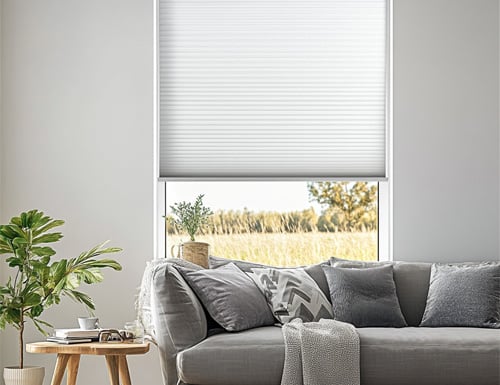
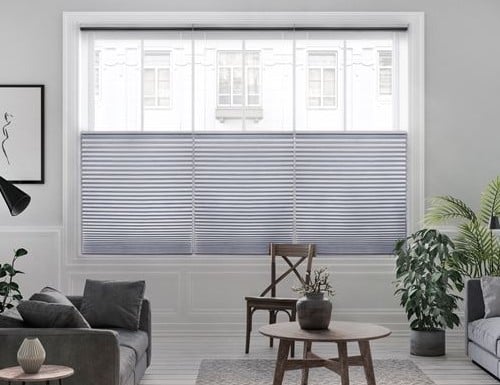
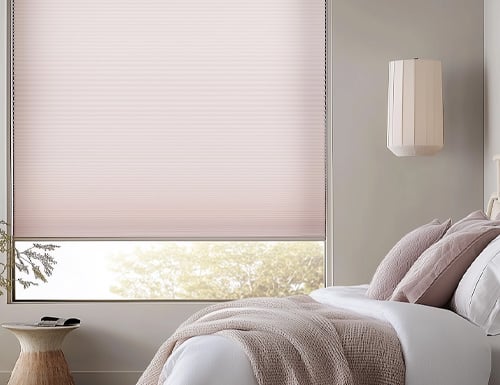
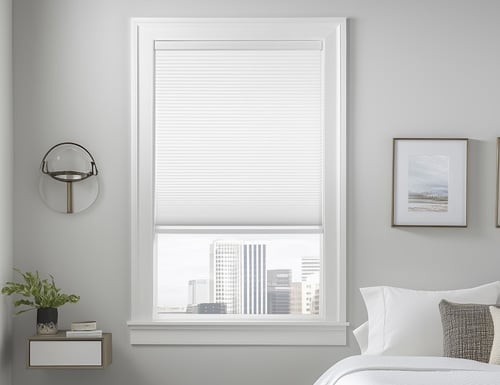
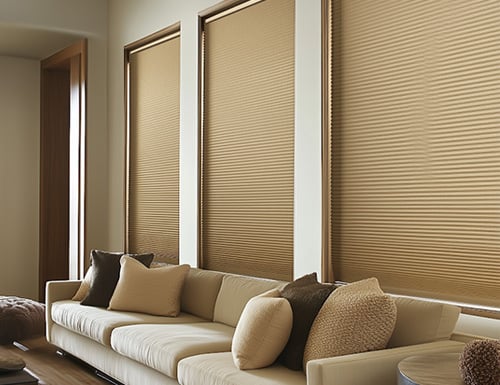
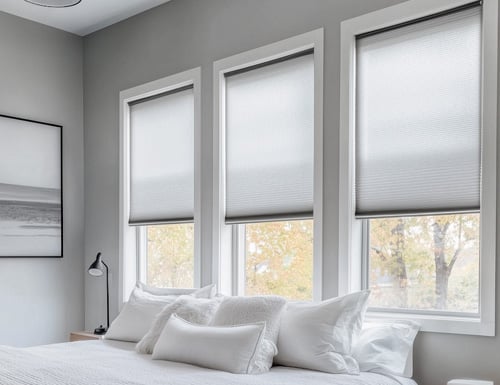
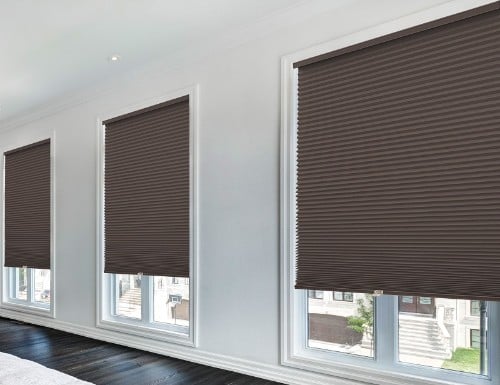
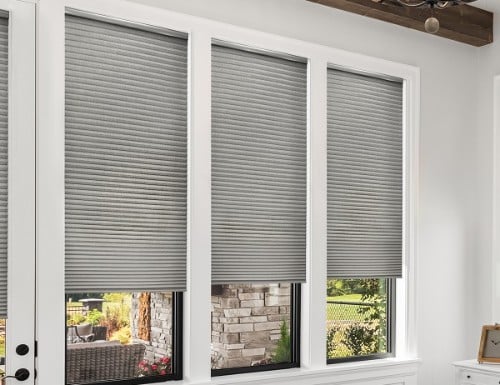
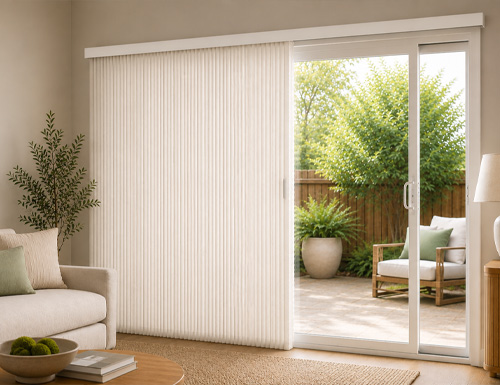
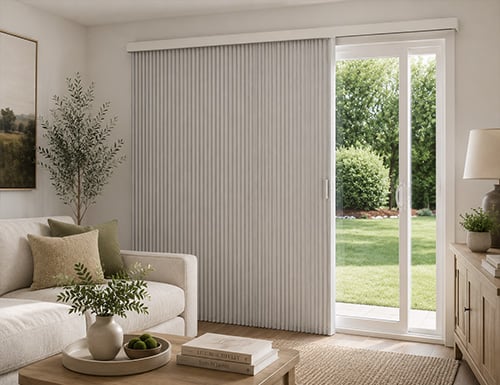
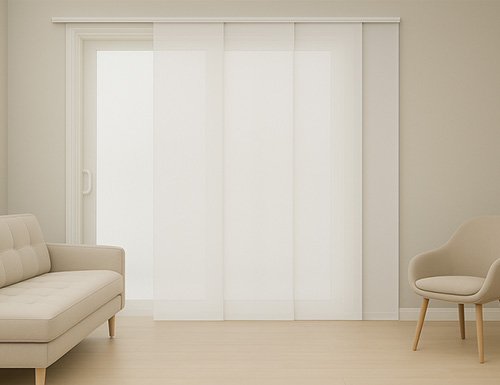
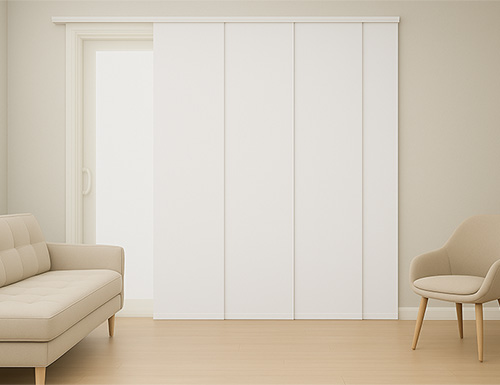
Tested for harmful substances to support safer textile choices for homes, nurseries, and everday living spaces.
Independently Tested
for Harmful Substances.
OEKO-TEX® certified window treatments use textile materials that have been
independently tested according to defined requirements for harmful
substances. Certification provides added transparency about the materials
used in eligible blinds, shades, and other fabric window coverings.
Why OEKO-TEX® Certification Matters
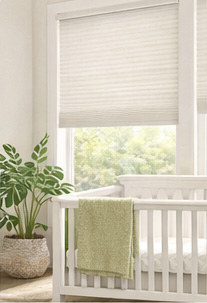
Ideal for Bedrooms & Nurseries
Certified fabrics are a popular choice for bedrooms, nurseries, and other frequently used rooms where homeowners want greater confidence in the materials surrounding their family.
Tested for Harmful Substances
Every certified textile is independently tested for a wide range of harmful substances, helping provide greater confidence in the fabrics used in your window treatments.
Safer Textile Materials
Certified fabrics are a popular choice for bedrooms, nurseries, and other frequently used rooms where homeowners want greater confidence in the materials surrounding their family.
The fabrics and textile materials used inside your home can influence the products you choose for bedrooms, nurseries, living spaces, schools, healthcare facilities, and other frequently occupied rooms. Read more about low VOC emmision Window Coverings
Our Window Treatments with Certified Fabrics
Look for the OEKO-TEX® logo on product pages. When in doubt, contact us and we’ll confirm your product’s certificate.
Explore our certified window treatments below or continue reading to learn
what OEKO-TEX® certification means, how products are tested, and how it
differs from other certifications such as UL GREENGUARD.
OEKO-TEX® is an independent textile testing and certification organization.
Its STANDARD 100 certification is used for textiles and textile components
that have been tested for regulated and potentially harmful substances.
For a finished textile article to carry the OEKO-TEX® STANDARD 100 label,
the components included within the scope of the certification must satisfy
the applicable testing requirements. Depending on the product, this can
include the primary fabric as well as threads, coatings, prints, linings,
fasteners, and other textile accessories.
In window treatments, certification may apply to a particular fabric,
collection, component, or complete product. Always review the individual
product listing and certificate information to determine exactly what is
covered.
What Does STANDARD 100 by OEKO-TEX® Mean?
STANDARD 100 by OEKO-TEX® indicates that the certified textile article has
been tested according to OEKO-TEX® requirements for harmful substances.
Testing criteria include substances that are legally regulated as well as
additional substances that may present a human-health concern.
The requirements are based partly on how a product is expected to be used.
Products with more intensive skin contact are subject to more restrictive
requirements than decorative products with little or no direct skin contact.
OEKO-TEX® Certification at a Glance
Independent testing of eligible textile materials
Testing for a broad range of harmful substances
Requirements based on the product’s intended use
Review of fabrics, dyes, finishes, prints, and covered components
A traceable certificate or label number for certified products
Testing criteria that are regularly reviewed and updated
Why OEKO-TEX® Certification Matters for Window Treatments
Window treatments may remain in a room for many years. They can contain
substantial amounts of fabric, particularly when used across large windows,
patio doors, nurseries, bedrooms, offices, schools, or commercial spaces.
Choosing independently tested materials can provide additional confidence
about the textile products brought into these environments.
Greater Material Transparency
Certification gives shoppers more information than an unsupported claim
such as “eco-friendly,” “non-toxic,” or “natural.” A valid OEKO-TEX® label
is associated with specific certification information that can be checked
and verified.
Independent Testing
Certification is based on testing performed under the OEKO-TEX® system
rather than relying solely on a manufacturer’s internal statement about
the fabric.
Testing Beyond the Visible Fabric
A certified textile article may be evaluated as a combination of materials,
rather than judging safety only by its appearance. Depending on the scope
of certification, testing can account for dyes, finishes, coatings, prints,
threads, and other components.
Added Confidence for Frequently Used Rooms
Certified materials may be especially appealing for bedrooms, nurseries,
family rooms, classrooms, healthcare offices, and other spaces where
occupants spend significant amounts of time.
OEKO-TEX® and UL GREENGUARD are both useful certifications, but they do not
evaluate exactly the same thing. A product can have one certification,
both certifications, or neither.
OEKO-TEX® and GREENGUARD certification comparison
Certification
Primary Focus
What It Helps Evaluate
Why It Matters
OEKO-TEX® STANDARD 100
Textile safety and harmful-substance testing
The chemical content of certified textile materials and covered
components
Provides added confidence that eligible textile components satisfy
defined harmful-substance requirements
UL GREENGUARD
Low chemical emissions and indoor air quality
Chemical emissions released from a finished product into indoor air
Identifies products that meet defined limits for indoor chemical
emissions
Which Certification Is Better?
Neither certification is automatically better because they address
different concerns. OEKO-TEX® focuses on testing textile articles for
harmful substances, while GREENGUARD focuses on chemical emissions from
products into indoor air.
A window treatment carrying both certifications may provide two separate
forms of product information: one relating to its textile materials and
another relating to chemical emissions. However, certification status must
be confirmed for each individual product and should never be assumed for
an entire category.
Blinds Chalet offers select window treatments made with OEKO-TEX® certified
fabrics or textile materials. Certification availability varies by product,
fabric collection, color, opacity, supplier, and manufacturing option.
Look for the OEKO-TEX® designation on eligible product and fabric pages.
Where applicable, we may also provide the associated certificate number,
label number, certification scope, or verification information supplied by
the manufacturer.
Important Certification Note
An OEKO-TEX® certification may apply only to a specific fabric or
component and not necessarily to every part of the assembled window treatment.
Certification should be verified for the exact product, fabric, and color
being ordered.
Featured OEKO-TEX® Certified Blinds and Shades
The following window treatment categories may be available with certified
textile options. Replace the sample links below with the specific Blinds
Chalet products for which you have current certification documentation.
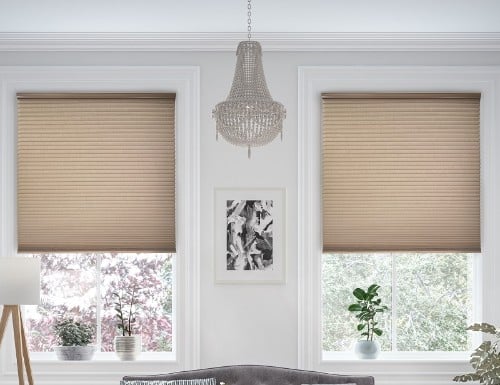
OEKO-TEX® Certified Cellular Shades
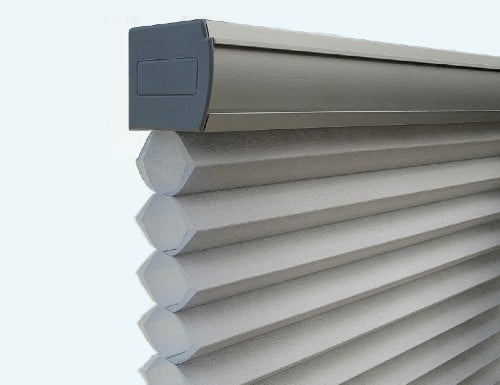
Cellular shades combine a clean appearance with honeycomb-shaped air
pockets that may improve insulation. Select light-filtering or blackout
fabrics may be available with OEKO-TEX® certification.
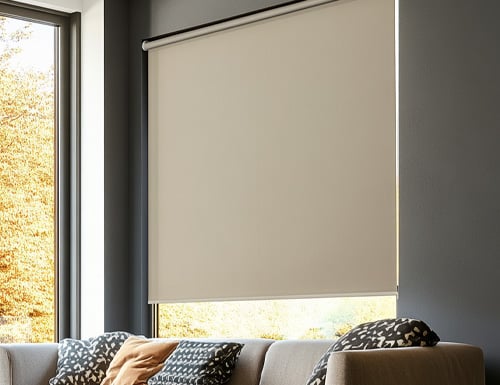
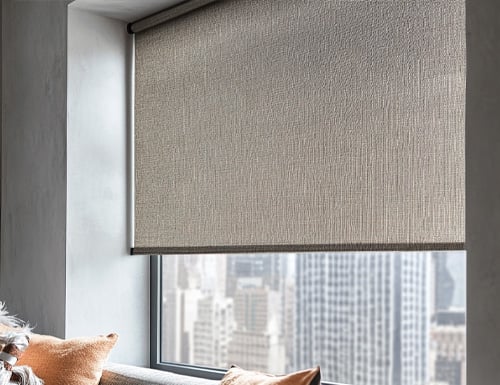
Roller shades use a smooth panel of fabric and provide a simple,
streamlined appearance. Eligible fabrics may include light-filtering,
room-darkening, solar-screen, or blackout materials.
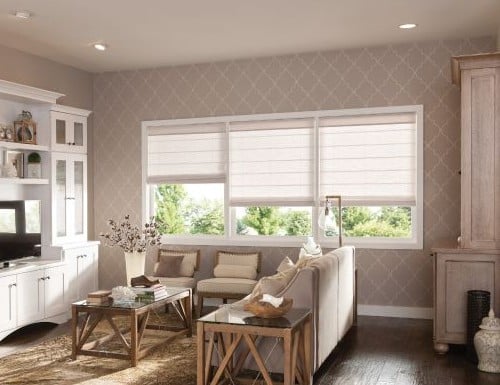
Roman shades offer the softness of fabric with the operation of a
window shade. Select face fabrics or liners may carry certification,
depending on the product.
Soft, decorative fabric folds
Light-filtering and blackout liners may be available
Suitable for bedrooms, dining rooms, and living rooms
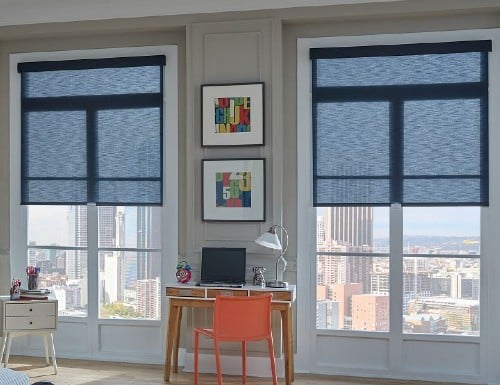
Solar shades help reduce glare and UV exposure while maintaining
outward visibility according to the fabric’s openness level. Select
screen fabrics may have textile certification.
Sheer shades combine soft fabric vanes with translucent material to
provide adjustable light control and a more decorative appearance.
Certification depends on the exact textile collection.
A textile manufacturer, fabric supplier, or product manufacturer
submits a defined textile article for evaluation.
2. The Product and Its Components Are Documented
The applicant identifies the materials, dyes, finishes, coatings, and
components included within the requested certification scope.
3. Samples Are Tested
An authorized OEKO-TEX® institute tests representative samples
according to the requirements that apply to the article’s intended use.
4. The Results Are Evaluated
The tested article must satisfy the applicable limit values and other
certification requirements before a certificate can be issued.
5. A Certificate and Label Number Are Issued
Approved products receive certification information that can be
associated with the official OEKO-TEX® label and used for verification.
6. Certification Must Remain Current
Certification is not a permanent blanket approval. Manufacturers must
maintain compliance and renew certification as required. Changes to
materials or production may require additional review.
How to Verify an OEKO-TEX® Label
Look for the official label or certificate number associated with the
product. The number can be entered into the OEKO-TEX® Label Check system
to confirm whether the certification is recognized.
A generic leaf symbol, green product badge, or unsupported “OEKO-friendly”
statement is not equivalent to a valid OEKO-TEX® certification.
Benefits of Tested and Low-Emission Window Treatments
OEKO-TEX® certification and low-emission certifications provide different
types of information. Together, they can help customers make more informed
decisions about the window coverings used inside their homes.
Reduced Uncertainty About Textile Materials
OEKO-TEX® certification shows that eligible textile materials have been
evaluated against an established harmful-substance standard rather than
relying only on broad marketing language.
Support for Health-Conscious Product Selection
Certified materials may be helpful to customers who are carefully selecting
products for bedrooms, children’s rooms, classrooms, healthcare offices,
or other frequently occupied spaces.
Better Information About Chemical Emissions
When low chemical emissions are a priority, look for a separate emissions
certification such as UL GREENGUARD. OEKO-TEX® certification by itself
should not automatically be described as proof that the complete window
treatment has low VOC emissions.
Greater Product Traceability
Valid certification information allows the customer, retailer, architect,
or purchasing professional to verify certification rather than relying on
an untraceable environmental claim.
More Informed Commercial Purchasing
Certification documents can be valuable when selecting window treatments
for schools, offices, hospitality properties, healthcare facilities, and
other projects with defined material requirements.
Are OEKO-TEX® Certified Window Treatments Safe for Nurseries?
OEKO-TEX® certified fabrics can be a reassuring option for a nursery
because eligible textile materials have undergone harmful-substance
testing. However, certification does not replace the other safety
considerations that apply to nursery window coverings.
Confirm What Is Certified
Verify whether certification applies to the fabric, liner, complete shade,
or another specific component. Do not assume every material in the finished
window treatment is covered unless the certification documentation says so.
Choose a Cordless Operating System
Nursery window treatments should use cordless or inaccessible-cord
operating systems. Keep cribs, beds, changing tables, and furniture away
from windows and operating cords.
Consider Blackout and Light Control
Blackout cellular shades and blackout roller shades can help create a
darker environment for daytime naps. Actual light blockage also depends on
measurements, mounting style, window depth, and gaps around the shade.
Consider Low-Emission Certification Separately
Customers concerned about indoor chemical emissions may also want to look
for GREENGUARD or another recognized emissions certification. OEKO-TEX®
and GREENGUARD provide complementary but different information.
Look for the full name “STANDARD 100 by OEKO-TEX®.”
Confirm that the exact fabric or product is included.
Ask for the current certificate or label number.
Check whether certification covers the fabric or complete product.
Verify the label number through the official Label Check system.
Do not assume every color in a collection has identical certification.
Check for separate GREENGUARD certification when emissions are a priority.
Choose a cordless or motorized lift system for homes with young children.
Choose Certified Window Treatments with Confidence
OEKO-TEX® certification provides useful, independently verified information
about the textile materials used in eligible window treatments. It can help
customers identify fabrics that have been tested according to established
requirements for harmful substances.
Because certification can vary by product, fabric, color, component, and
supplier, always confirm the certification status of the exact window
treatment you plan to purchase.
Browse our eligible OEKO-TEX® certified blinds and shades or contact a
Blinds Chalet window treatment specialist for help comparing materials,
light-control options, cordless systems, and certification documentation.
OEKO-TEX® certified means that the textile article covered by the
certification has been independently tested according to the applicable
OEKO-TEX® requirements for harmful substances. The certification scope
should be checked to determine whether it applies to a fabric,
component, or complete finished product.
What is STANDARD 100 by OEKO-TEX®?
STANDARD 100 by OEKO-TEX® is a certification for textile articles
tested for harmful substances. Testing requirements are based partly
on the product’s intended use and the expected degree of skin contact.
Can window shades be OEKO-TEX® certified?
Yes. Fabrics and textile components used in cellular shades, roller
shades, Roman shades, solar shades, sheer shades, and other window
treatments may be OEKO-TEX® certified. Certification availability
depends on the specific product and material.
Does OEKO-TEX® certification apply to the entire window shade?
Not always. Certification may cover only the fabric, liner, textile
components, or another defined portion of the product. Review the
certificate and product information to determine the exact scope.
Is OEKO-TEX® the same as GREENGUARD?
No. OEKO-TEX® STANDARD 100 evaluates certified textile articles for
harmful substances. UL GREENGUARD evaluates products for chemical
emissions that can affect indoor air quality. A product may carry one,
both, or neither certification.
Does OEKO-TEX® certification mean a window shade is low VOC?
Not necessarily. OEKO-TEX® STANDARD 100 focuses on harmful substances
in certified textile articles. Low chemical emissions are evaluated
through separate emissions testing programs, such as UL GREENGUARD.
Are OEKO-TEX® certified shades safe for nurseries?
OEKO-TEX® certified fabrics can provide added confidence when choosing
nursery window treatments because covered textile materials have been
tested for harmful substances. Nursery shades should also be cordless,
properly installed, and positioned away from cribs and furniture.
Are OEKO-TEX® certified shades chemical free?
No textile product should be described simply as chemical free.
OEKO-TEX® certification means the covered textile article satisfies
the applicable testing requirements and limit values for the substances
evaluated by the standard.
How can I verify an OEKO-TEX® certification?
Locate the certificate or label number associated with the product and
enter it into the official OEKO-TEX® Label Check system. The number
should correspond to the exact product or textile material being
advertised.
Does every color of a certified shade use certified fabric?
Not necessarily. Certification may vary by fabric collection, color,
coating, supplier, or production method. Confirm certification for the
exact fabric and color before ordering.
Are OEKO-TEX® certified window treatments more expensive?
Pricing depends on the shade style, fabric, size, lift system, and
manufacturer. Certification may influence material and testing costs,
but certified products are available across different price ranges.
Which types of certified shades are best for bedrooms?
Blackout cellular shades and blackout roller shades are popular bedroom
choices because they can provide strong light control and privacy.
Certification depends on the individual fabric and product.
Does OEKO-TEX® certification make a shade energy efficient?
No. OEKO-TEX® certification concerns textile testing for harmful
substances. Energy efficiency depends on factors such as shade style,
fabric construction, fit, mounting method, and installation. Cellular
shades are often selected when insulation is a priority.
Can certified window treatments still have an odor when first opened?
A temporary packaging or new-material odor may still occur. OEKO-TEX®
certification does not mean a product will have no detectable odor.
Follow the manufacturer’s ventilation, cleaning, and care instructions.
Where can I buy OEKO-TEX® certified window treatments?
Blinds Chalet offers select blinds and shades made with OEKO-TEX®
certified textile materials. Check the individual product and fabric
information or contact Blinds Chalet to confirm current certification
before ordering.
Our window coverings are covered against manufacturing defects in materials or craftsmanship when used as intended, provided that:
The product has been correctly measured, installed, and operated.
All Blinds Chalet guidelines regarding product limitations, maintenance, and care have been followed.
Who Is Eligible
This warranty applies solely to the original purchaser of the product and is non-transferable.
Blinds Chalet’s Responsibility
If a covered defect is confirmed, Blinds Chalet will, at its discretion, repair the product, replace affected parts, or provide a comparable replacement.
Costs not included: The customer is responsible for expenses related to shipping as well as any measuring, installation, removal, or reinstallation services. Labor charges, service visits, and similar costs are not covered by this warranty.
What Is Not Covered
Damage resulting from accidents, alterations, misuse, abuse, or neglect.
Improper measurement, installation, cleaning, or maintenance.
Normal wear and tear, including fading, discoloration, or deterioration from sunlight or moisture.
Frayed cords, cord breakage, or reduced cord performance due to age or heavy use.
Fading and normal aging of materials are expected characteristics and are not considered defects.
Warranty Limitations
This warranty is exclusive and replaces any other expressed or implied warranties. No Blinds Chalet employee or representative is authorized to modify or extend these terms.
Blinds Chalet will not be liable for indirect, incidental, or consequential damages resulting from product use or failure.
Original proof of purchase, which can be your order number or purchase confirmation email
A brief description of the issue
The location of the window covering and clear photos or video of the issue
To help us determine the cause of a fit issue and process a Guaranteed to Fit request, photos and/or measurements may be required. Depending on the issue, we may ask for photos showing the window opening, product, installation, or a tape measure across the window. Because we are assisting remotely, this documentation allows us and the manufacturer to accurately evaluate the issue.
Resolution on Warranties and Guarantees
BlindsChalet.com reserves, at its discretion, the right to repair, replace or refund any blinds found defective. Limit 1 remake per covered product.
If there are multiple blinds/shades in the same room, only the defective product will be replaced/repaired.
In the event that a product, color or product feature has been discontinued and it is no longer available we will provide a substitute product as similar as possible to the original blind or shade.
Shipping for warranty issues is the responsibility of the customer to and from the repair facility. Packaging on return shipments is the responsibility of the customer.
If a product or component has been discontinued, Blinds Chalet will repair or replace the affected part with the closest available match in design and color.
5 Year Guaranteed to Last
Standard limited warranty extended from 3 to 5 years.
5 Year Guaranteed to Love
Standard limited warranty extended from 3 to 5 years.
30 Day Returns
If for any reason you are not satisfied with the window coverings and wish to return them for store credit, please notify us within 30 days of receiving the order. Our customer care department will provide a Return Goods Authorization number (RGA) and shipping address for the return. Please note, return shipping costs are the responsibility of the customer and shipping labels are not provided. Returns are for store credit only and store credit will be available immediately after the items are received (Guaranteed to Love fee is not credited).
X
The term "Retail" price refers to the manufacturer's or supplier's suggested retail price for an item. The initially displayed Retail price is specific to a product with the selected dimensions and default options/features. Please note that the Retail price for the selected product will be provided upon specifying its width, height, features and options.
Please note that the Retail price may not reflect the prevailing market price or the regular retail price. It is common for products to be sold at lower prices than the Retail price due to various factors, including promotional events, discounts, market competition, or supplier agreements.
Products may be offered at the same or lower "After Coupon" prices during future promotional events starting on or after the final day of any advertised promotion.