




 (
(


 (
(
Why Choose Fire-Retardant Window Treatments
Fire-retardant (FR) fabrics are engineered or treated to resist ignition and self-extinguish more quickly than standard textiles. While no shade is “fireproof,” fire-retardant window treatments add an extra margin of fire safety near high-traffic areas, exits, and code-sensitive spaces, helping you meet brand standards or local requirements while maintaining a polished, professional finish.
What “Fire-Retardant” Really Means
Fire-retardant blinds and shades are made from fabrics that are specially engineered or treated to resist ignition and slow the spread of flames. This means that if they’re exposed to a small flame or heat source, they are less likely to ignite quickly, and if they do, the flame will spread more slowly compared to standard materials. Fire-retardant does not mean fireproof - it means the material is designed to reduce fire risk and provide valuable extra time in the event of a fire emergency.
Fire-retardant performance is typically achieved in one of two ways: the fabric is either inherently flame-resistant (built into the fiber itself) or treated with a fire-retardant finish during manufacturing. In both cases, the goal is to limit flame spread and heat release, helping improve overall building safety. These products are commonly tested to recognized safety standards, making them a smart choice for commercial spaces, rental properties, and safety-conscious homeowners alike.
Where fire-retardant Blinds & Shades Make Sense
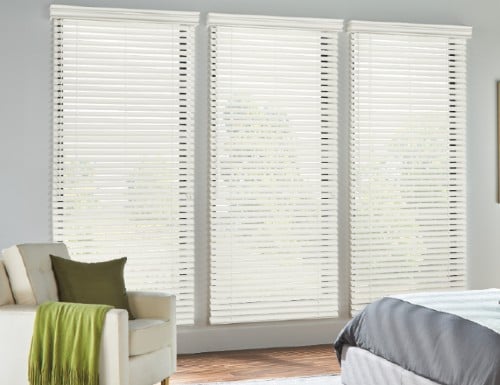
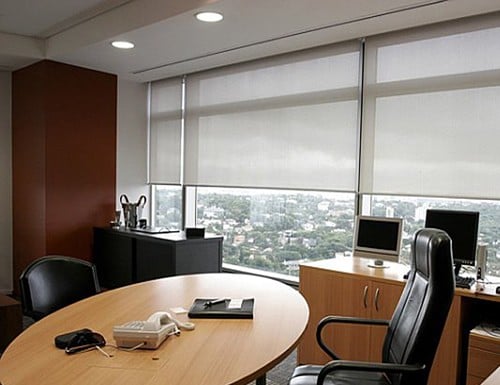
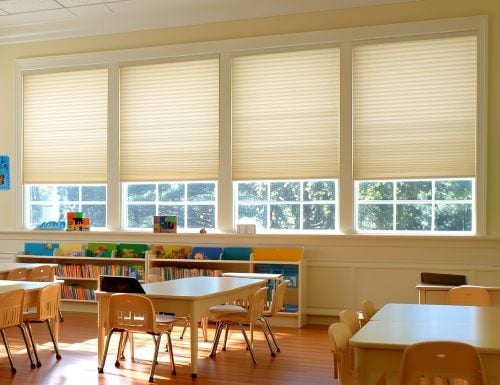
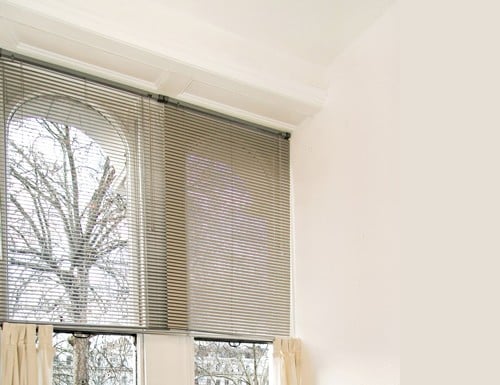
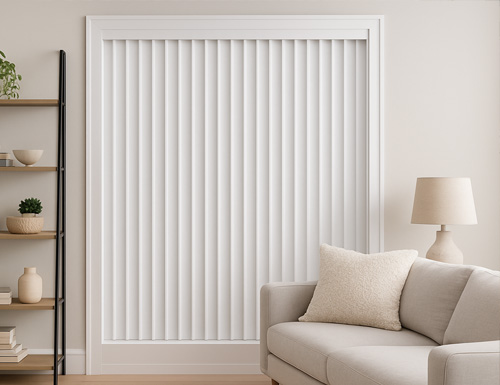
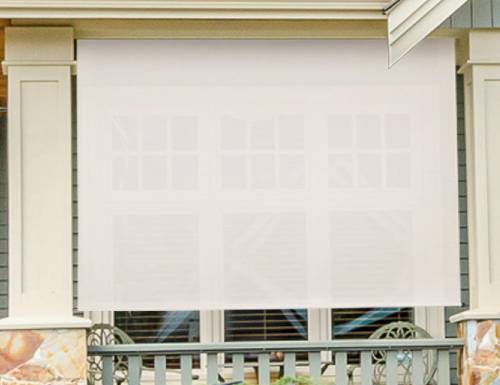
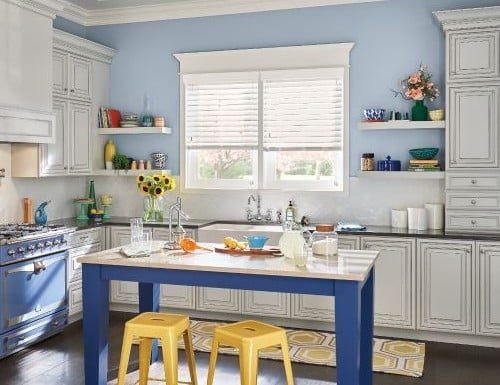
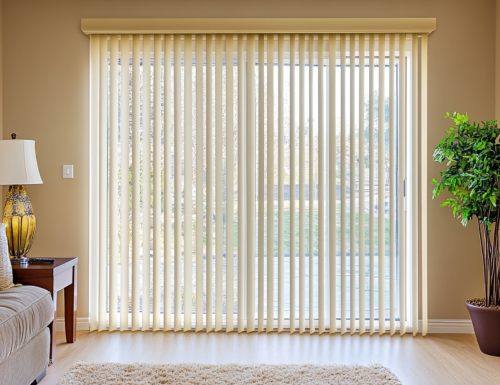
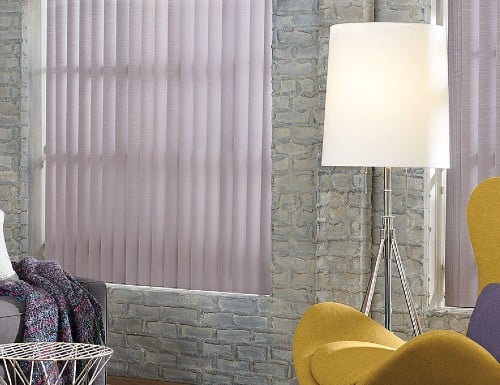
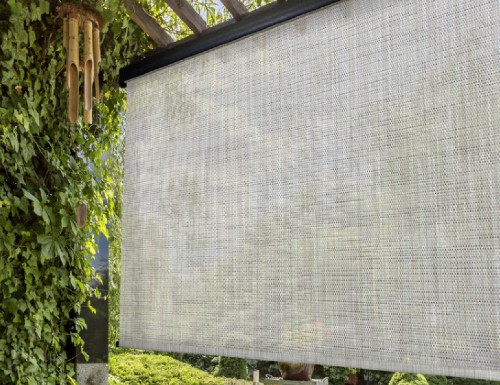
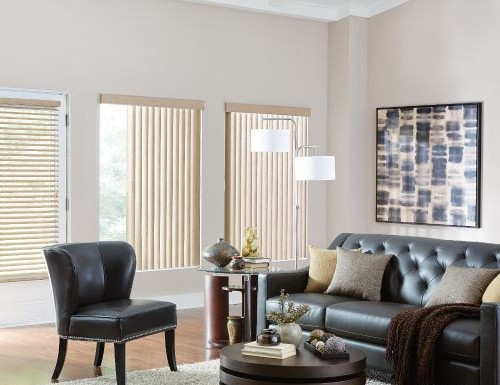
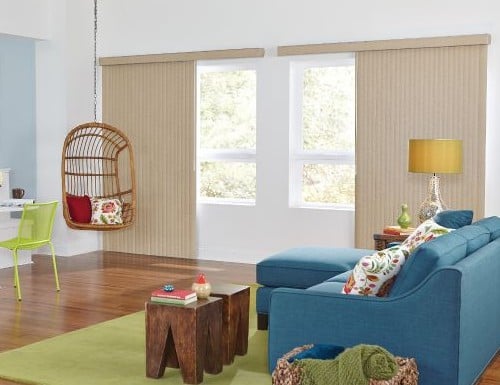
Specify fire-retardant roller blinds or vertical blinds for offices, lobbies, schools, and multi-family common areas; select fire-retardant blackout for media rooms and bedrooms; and consider fire-retardant solar screens on sun-exposed façades to manage glare and UV. For kitchens or utility areas, pair fire-retardant materials with moisture-tolerant finishes and maintain clearances from heat sources per manufacturer guidance.
Styles, Fabrics & Finishes
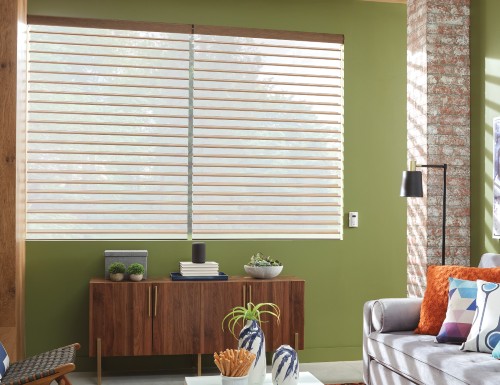
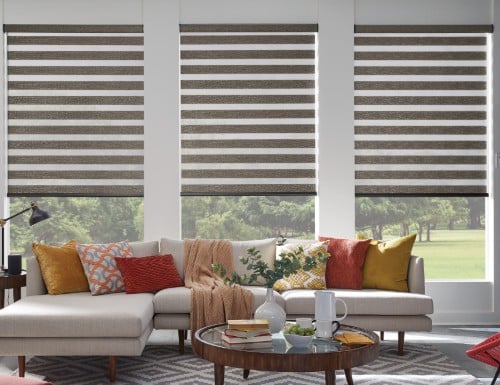
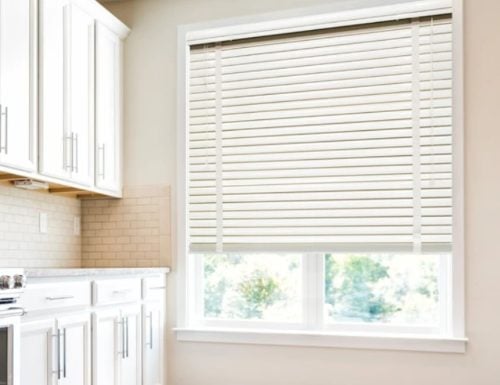
From sleek cassettes and low-profile roller shades to textured Roman shades and insulating cellular fabrics, our fire-retardant collections cover every look. Options include light-filtering, room-darkening, and blackout; PVC-free and low-odor selections; and both inherently flame-resistant (IFR) and FR-treated textiles. Many lines are tested to common standards (e.g., NFPA 701); ask for current spec sheets when you quote.
Certification & Testing Standards
Fire-retardant blinds and shades are typically tested to meet recognized industry safety standards, such as NFPA 701, the leading U.S. test method for evaluating flame propagation of textiles and films used in window coverings. This test measures how a fabric reacts when exposed to a controlled flame, specifically assessing flame spread and after-flame time. Products that meet NFPA 701 requirements are designed to self-extinguish quickly and limit the spread of fire. For commercial buildings, schools, healthcare facilities, and other code-regulated spaces, certification to this standard is often required. Choosing blinds that meet established testing standards helps ensure compliance with local building codes and provides added peace of mind regarding fire safety.
How to Specify & Verify
Tell us your project goals: privacy, glare control, blackout, or energy savings, and we’ll recommend fire-retardant fabrics and hardware that meet performance needs and budget. For commercial jobs, request documentation (test reports, labels) in the bid package and confirm with your authority having jurisdiction (AHJ). Need samples? We’ll rush swatches so you can review color and hand in your actual light.
Fire-Retardant Window Treatments - FAQs
What are fire-retardant window blinds and shades?
Are fire-retardant window treatments the same as fireproof?
Which styles are available in fire-retardant materials?
Do you offer blackout fire-retardant fabrics for total darkening?
How are fire-retardant properties achieved, treated or inherent fibers?
Which fire tests or standards do your fire-retardant shades address?
Will fire-retardant fabrics look or feel different from standard ones?
Are fire-retardant window shades appropriate near kitchens or heat sources?
How should I clean flame-resistant blinds and shades without affecting performance?
Do residential projects need fire-retardant window treatments, or is this just for commercial buildings?
Can fire-retardant window shades also help with glare, UV, or insulation needs?
How do I order and get documentation for a permit set or inspection?
Limitations & Safety Disclaimer
While fire-retardant window blinds and shades are designed to resist ignition and keep flames from spreading quickly, they are not fireproof and will not prevent a fire from occurring. Under sustained or intense heat, any fabric material can burn. Fire-retardant properties are intended to reduce risk, limit flame spread, and provide valuable additional time in the event of a fire, but they are only one component of a comprehensive fire safety plan.
For maximum protection, fire-retardant window coverings should be used in conjunction with properly installed smoke detectors, sprinkler systems (where applicable), and adherence to local building and fire codes. Always follow manufacturer care instructions, as improper cleaning or alterations may affect fire-retardant performance. If certification documentation is required for inspection or compliance purposes, be sure to request verification at the time of purchase.
* Production lead times are only an estimate and does not apply to any colors that are out of stock. Production begins the following business day after ordering. Please allow additional time for shipping.