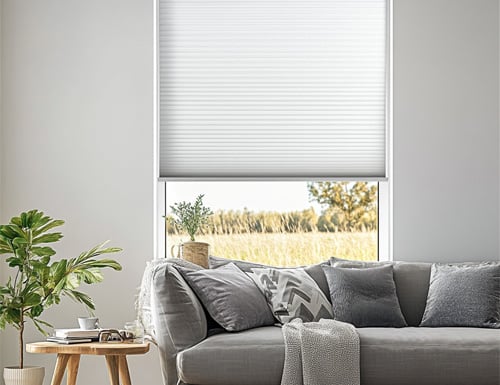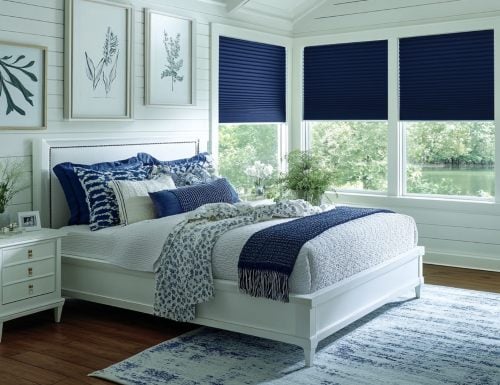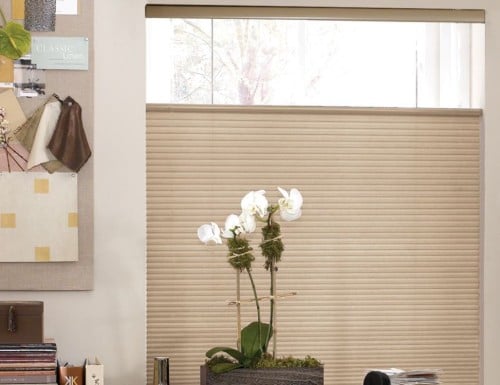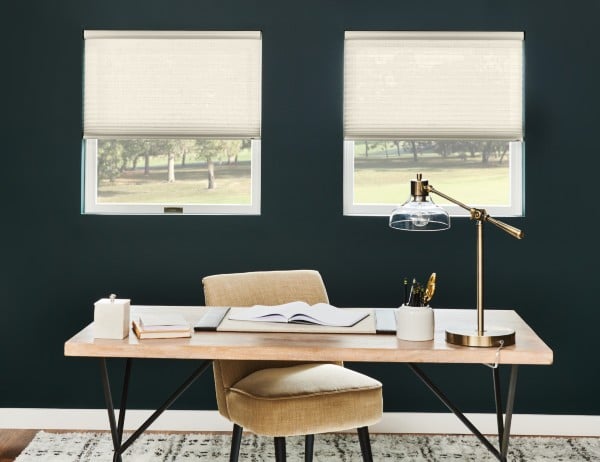







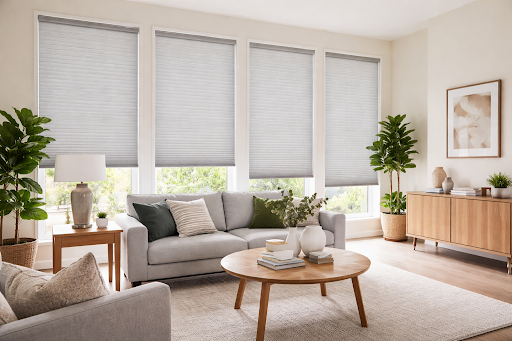
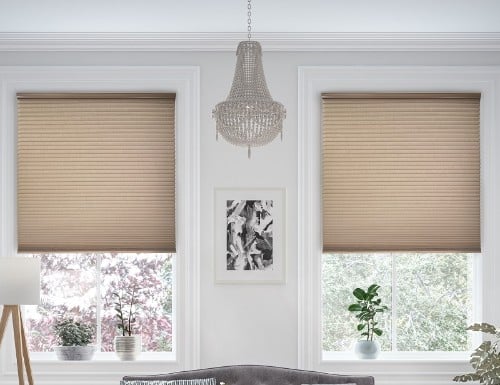
Cellular shades, often called honeycomb shades, are one of the most popular window treatments for homeowners looking for energy efficiency, privacy, and modern style. Their unique honeycomb-shaped cells trap air inside the fabric layers, helping insulate windows while still providing adjustable light control. While cellular shades offer many advantages, they may not be the perfect solution for every room or design preference. Understanding the pros and cons of cellular shades can help you decide whether they are the right window treatment for your home.
Upgrade your space with our collection of high-quality window shades available in modern designs.
What Are Cellular Shades?
Cellular shades are fabric window coverings designed with a distinctive honeycomb structure. When viewed from the side, the shade forms a series of air pockets or cells that resemble a honeycomb pattern. These cells trap air and create an insulating barrier between the window and the interior of the home.
Cellular shades are available in several configurations, including single cell, double cell, and triple cell designs. They also come in light filtering, room darkening, and blackout fabrics. Many cellular shades offer cordless operation, motorization, and top-down bottom-up lift systems, making them both functional and easy to operate.
Learn more: What Are Cellular Shades? A Complete Guide to Honeycomb Window Shades
Cellular Shades Pros and Cons at a Glance
| Pros of Cellular Shades | Cons of Cellular Shades |
|---|---|
| Energy efficient: Honeycomb-shaped cells trap air at the window and can help reduce heat transfer. | Can be harder to clean: Dust and debris may collect inside the cells and can be more difficult to remove than from smooth-surface blinds. |
| Excellent privacy options: Top-down bottom-up styles can provide privacy while still allowing natural light into the room. | Limited outside view: When cellular shades are lowered, the fabric generally blocks the view through the window. |
| Cordless and motorized options: Cellular shades are available with convenient operating systems that work well for many homes and hard-to-reach windows. | Blackout shades may have side light gaps: Even blackout fabric can allow some light around the edges unless additional light-blocking solutions are used. |
| Clean, compact appearance: Cellular shades stack neatly and may work well in windows where mounting space is limited. | May cost more than basic window coverings: Cellular shades can be more expensive than entry-level mini blinds or simple roller shades, especially with premium fabrics or operating upgrades. |
| Multiple light-control choices: Available in light-filtering, room-darkening and blackout fabrics for different rooms and needs. | Fabric can be more vulnerable: The soft material may not be ideal for areas exposed to frequent touching, splashes, grease or high moisture. |
Advantages of Cellular Shades
Energy Efficiency and Insulation
One of the biggest advantages of cellular shades is their insulating design. The honeycomb-shaped cells create pockets of air between the window and the room, helping slow heat transfer through the glass. This can make cellular shades particularly useful on windows that receive intense sun or feel cold during the winter.
Double-cell designs create an additional layer of air pockets and may provide greater insulation than comparable single-cell shades. The actual performance will vary based on the fabric, cell size, window construction and installation.
Top-Down Bottom-Up Privacy
Cellular shades are especially versatile when privacy and daylight are both important. A top-down bottom-up option allows the upper portion of the window to remain open while the lower portion stays covered.
This can be useful in bedrooms, bathrooms, street-facing rooms and other areas where you want natural light without exposing the entire room to outside views.
Cordless and Motorized Operation
Cellular shades are available with several convenient operating options, including cordless and motorized systems. Cordless shades provide a clean appearance without hanging lift cords, while motorized shades can be controlled with a remote, wall control or compatible smart-home system depending on the product.
Motorization can be especially helpful for tall windows, hard-to-reach windows or rooms with multiple shades that you want to operate together.
Narrow Mounting Depth and Clean Appearance
The compact construction of cellular shades gives them a clean, streamlined appearance. Many models can fit into relatively shallow window openings, making them a useful option when mounting depth is limited.
When raised, the fabric compresses into a relatively compact stack, helping preserve more of the window opening compared with some bulkier window treatments.
Disadvantages of Cellular Shades
Cleaning Inside the Cells Can Be Difficult
Cellular shades are generally easy to maintain with regular dusting or light vacuuming, but debris can sometimes find its way inside the honeycomb cells. Because the cells are enclosed, cleaning inside them can be more difficult than wiping down the slats of faux wood, vinyl or aluminum blinds.
They Limit the Outside View When Closed
Cellular shades are made from continuous fabric rather than adjustable slats. As a result, lowering the shade generally means giving up the direct view through the window.
If maintaining a view while controlling glare is a major priority, a solar shade or adjustable blind may be a better choice depending on the room.
Blackout Fabrics Can Still Have Side Light Gaps
A blackout cellular fabric can prevent light from passing directly through the material, but small gaps may remain between the edge of the shade and the window frame. These gaps can allow light to enter around the sides.
For bedrooms, nurseries or home theaters where maximum room darkening is important, additional light-blocking options such as side channels may provide better results.
Cellular Shades Can Cost More Than Basic Alternatives
Cellular shades often offer more insulation and operating choices than basic mini blinds or entry-level roller shades, but those benefits can also increase the price.
Upgrades such as blackout fabric, top-down bottom-up operation and motorization can add to the overall cost. Customers focused primarily on obtaining the lowest-cost window covering may find simpler blinds or roller shades more economical.
Soft Fabric May Not Be Ideal Everywhere
Because cellular shades are constructed from fabric, they may not be the best choice for areas where the window covering will be frequently touched, splashed or exposed to grease and moisture.
In some kitchens, bathrooms, workshops or children's areas, a wipeable faux wood, vinyl or aluminum blind may be easier to maintain.
When Cellular Shades May Not Be the Best Choice
Cellular shades work well for many windows, but they are not the best option for every situation. You may want to consider another window treatment if:
- You want to maintain a clear view outside while the window covering is closed.
- You need a surface that can be quickly wiped clean after splashes, grease or heavy contact.
- Your primary goal is finding the lowest-cost basic window covering.
- You want adjustable slats that can redirect light without raising the entire window treatment.
- You need maximum blackout performance and do not want any light entering around the edges.
In these situations, roller shades, solar shades, faux wood blinds, aluminum blinds or another window treatment may be a better fit depending on your priorities.
Single Cell vs. Double Cell: Does It Matter?
Cellular shades are commonly available in single-cell and double-cell constructions. A single-cell shade uses one layer of honeycomb-shaped air pockets, while a double-cell shade creates two layers.
| Feature | Single Cell | Double Cell |
|---|---|---|
| Insulation | Good | Typically better due to the additional air pockets |
| Weight | Generally lighter | Typically slightly heavier |
| Stack Size | Can have a more compact stack | May create a slightly larger stack when raised |
| Cost | Often more economical | May cost more depending on the product |
| Best For | General light control, privacy and insulation | Windows where increased insulation is a higher priority |
Double-cell shades can be a good choice when energy efficiency is especially important, but that does not mean they are automatically better for every window. A quality single-cell shade may provide the right balance of appearance, insulation and cost for many homes.
Are Cellular Shades Worth It?
For many homeowners, cellular shades are absolutely worth the investment. Their energy efficiency, modern appearance, and flexible light control make them a practical window treatment for many rooms throughout the home.
Cellular shades are particularly valuable for bedrooms, living rooms, and offices where insulation and light control are important. If your main priorities are energy savings, privacy, and a clean, modern look, cellular shades are often one of the best window treatment options available. Learn more about whether cellular honeycomb shades are worth it.
Cellular Shades vs Other Window Treatments
Compared to roller shades, cellular shades offer better insulation because of their honeycomb cell structure. Roller shades provide a more minimal appearance but typically do not provide the same level of energy efficiency. Read our guide to see how roller shades stack up vs cellular shades
When compared to blinds, cellular shades provide softer light filtering and better insulation. Blinds offer adjustable slats that allow partial views to the outside, while cellular shades fully cover the window when lowered. The best option depends on whether you prioritize insulation, light control, or visibility.
Best Rooms for Cellular Shades
Cellular shades work well in many areas of the home. Bedrooms are one of the most common locations because blackout cellular shades can help create a darker sleeping environment. Living rooms and family rooms benefit from light filtering cellular shades that soften sunlight while maintaining privacy.
They are also popular for offices, nurseries, and media rooms where homeowners want improved light control and insulation. Because cellular shades have a slim profile, they are especially useful for windows with shallow mounting depths.
Related Articles
- Are Cellular Shades in Style?
- Cellular Shades vs Pleated Shades
- Honeycomb vs Cellular Shades. Is There a Difference?
Frequently Asked Questions About the Pros and Cons of Cellular Shades
What are the main benefits of cellular shades?
What are the disadvantages of cellular shades?
Do cellular shades really help with insulation?
Are cellular shades energy efficient?
Do cellular shades block all light?
Are cellular shades good for bedrooms?
Are cellular shades better than roller shades?
Do cellular shades provide privacy?
Are cellular shades available with cordless lift systems?
Can cellular shades be motorized?
Do cellular shades work well for large windows?
What is the difference between single cell and double cell shades?
Are cellular shades easy to clean?
Do cellular shades reduce outside noise?
If you're mainly interested in the advantages, read our guide on the Benefits of Cellular Shades as well as our informational guide to cellular shades and an explanation of cell shade sizes.
Shop our collection of cellular shades and honeycomb shades to discover energy-efficient window treatments designed for comfort and style.
You can also explore more topics in our cellular shades expert advice center, including buying guides, comparisons, and design tips.

 (
(