

close
Loading. Please wait...
X

Sign up for special offers:


Cellular Shades vs Honeycomb Shades: Are They the Same?Learn the difference between cellular shades and honeycomb shades. Discover why both names describe the same window treatment, how the honeycomb structure works, and how they compare to pleated shades.
Lexi Westingate | Blinds Chalet Design Team
FacebookFacebookTwitter (X)Pinterest
Updated: Jul 7 2026

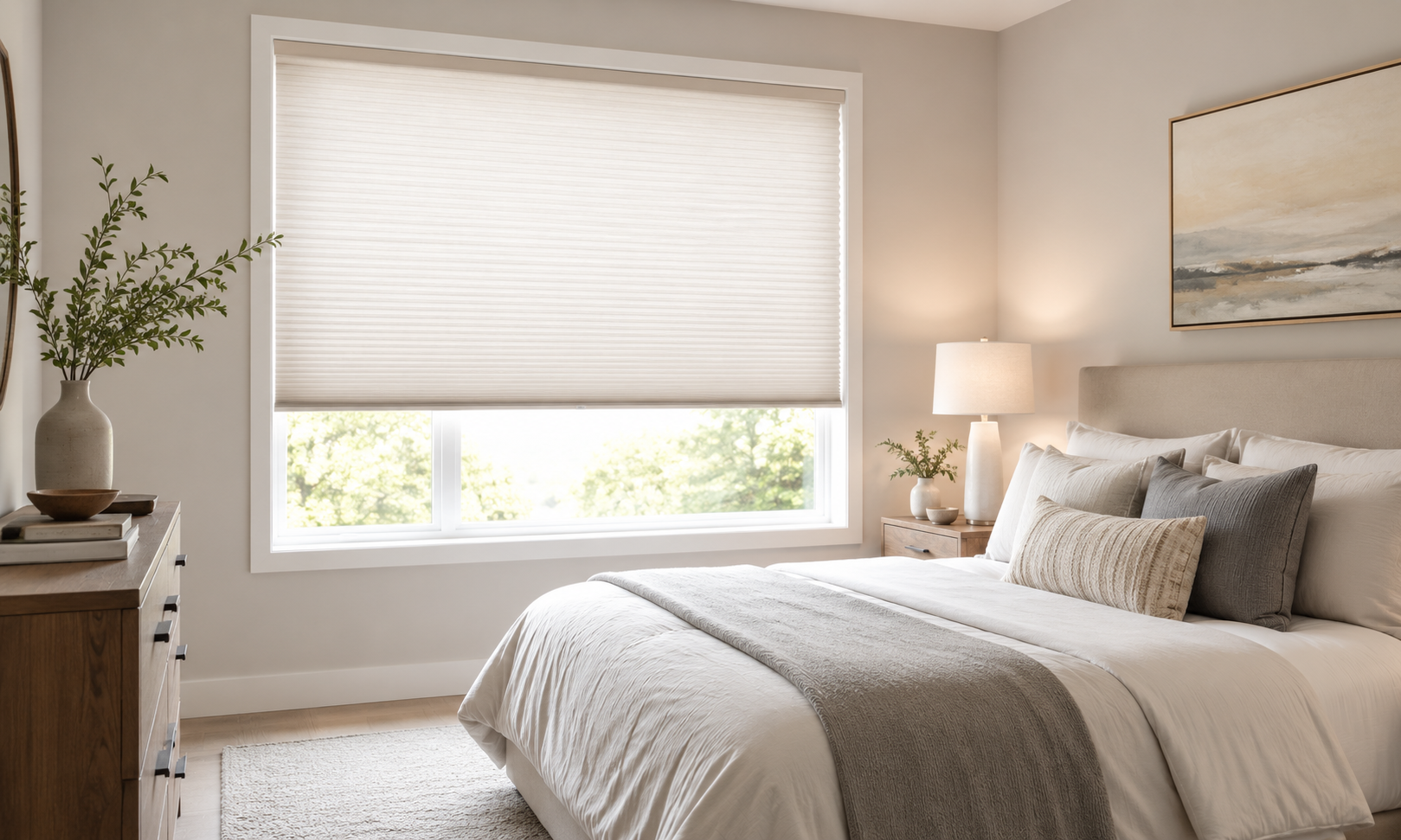
Cellular Shades vs Honeycomb Shades: Are They the Same? image

If you've been shopping for window treatments, you've probably seen the terms cellular shades and honeycomb shades used interchangeably. This often leads homeowners to wonder if they are two different products or simply different names for the same style of window shade.


The simple answer is yes—they are the same window treatment. "Cellular shade" is the technical product name, while "honeycomb shade" describes the unique shape of the fabric cells that give these shades their insulating properties. Whether a manufacturer calls them cellular shades or honeycomb shades, they refer to the same energy-efficient window covering.


Browse our complete collection of Custom Honeycomb Cellular Shades or learn more in our Honeycomb Cellular Shade Resource Center.


What Are Cellular Shades?


Cellular shades are fabric window coverings constructed from one or more layers of pleated fabric that are bonded together to form small air pockets called cells. These cells create an insulating barrier between your room and the window, helping improve indoor comfort throughout the year.


Unlike traditional blinds, cellular shades raise and lower as a single piece of fabric while providing a soft, clean appearance. They are available in light filtering and room darkening fabrics, as well as cordless, Top Down Bottom Up, and motorized lift systems.


Learn more about What Cellular Shade are.


Why Are They Called Honeycomb Shades?


The name honeycomb shade comes from the shape of the fabric cells. When viewed from the side, the pleated fabric forms a series of connected hexagon-like pockets that closely resemble a natural honeycomb built by bees.


These hollow pockets are much more than a design feature—they trap air inside each cell, creating an insulating layer that helps reduce heat transfer through the window. This insulating design is what makes honeycomb shades one of the most energy-efficient window treatments available.


Because of this unique construction, many homeowners simply refer to them as "honeycomb shades," while manufacturers often use the technical name "cellular shades." Both terms describe the exact same product.


What Is the Cellular Structure?


The cellular structure is the defining characteristic of honeycomb shades. During manufacturing, specially engineered fabric is folded and bonded together to create rows of enclosed air pockets called cells.


These cells work similarly to insulated windows by trapping air between the room and the glass. Since air is a natural insulator, the cellular construction helps reduce heat loss during winter and heat gain during summer.


Cellular shades are available with different cell configurations, including:


What Are Pleats?


Pleats are the evenly folded sections of fabric that allow many types of fabric window shades to raise and lower neatly. Both cellular shades and traditional pleated shades use pleated fabric, but they are constructed very differently.


A standard pleated shade consists of a single layer of folded fabric that collapses into neat folds when raised. Cellular shades use multiple layers of pleated fabric that are bonded together to create enclosed honeycomb-shaped air cells.


Although both products have pleats, only cellular shades provide the insulating air pockets that make them so energy efficient.


If you're comparing these two products, read our complete guide: Cellular Shades vs Pleated Shades. Read more about Cell Shade Pleate Sizes and What They Mean.


Honeycomb Shades vs Pleated Shades


Because both products feature folded fabric, they are sometimes confused with one another. However, there is one major difference:


Honeycomb (Cellular) ShadesPleated Shades
Multiple fabric layers create insulating air cells.Single layer of pleated fabric.
Excellent energy efficiency.Little to no insulation.
Better temperature control.Primarily decorative.
Available in single or double cell designs.Available in many fabric colors and pleat sizes.


Both styles provide privacy and light control, but homeowners looking for better insulation generally choose cellular shades.


Benefits of Honeycomb Cellular Shades


  • Excellent insulation and energy efficiency


  • Available in light filtering and room darkening fabrics


  • Improve indoor comfort throughout the year


  • Reduce glare while maintaining natural light


  • Cordless and motorized operating systems available


  • Available in Top Down Bottom Up configurations


  • Clean, modern appearance that complements nearly any décor


Learn more about the Benefits of Cellular Shades.


Should You Search for Cellular Shades or Honeycomb Shades?


From a shopping perspective, it doesn't matter which term you use. Most manufacturers, retailers, and homeowners use both names interchangeably.


If you're searching online, you'll often find similar products regardless of whether you search for:


  • Cellular Shades


  • Honeycomb Shades


  • Honeycomb Cellular Shades


  • Insulated Cellular Shades


  • Energy Efficient Honeycomb Shades


All of these terms generally refer to the same style of insulating window shade.


Related Cellular Shade Resources


Frequently Asked Questions


Are cellular shades and honeycomb shades the same thing?


Yes. Cellular shades and honeycomb shades are two names for the same window treatment. "Cellular" refers to the insulating air cells, while "honeycomb" describes the shape those cells create.


Why are they called honeycomb shades?


They are called honeycomb shades because the fabric cells resemble the hexagonal structure of a natural honeycomb when viewed from the side.


What are the cells in cellular shades?


The cells are enclosed pockets of air created by bonding pleated fabric together. These air pockets help insulate the window and improve energy efficiency.


Are honeycomb shades more energy efficient than pleated shades?


Yes. Honeycomb shades have enclosed insulating air cells, while pleated shades consist of a single layer of folded fabric without insulating pockets.


What is the difference between cellular shades and pleated shades?


Cellular shades use multiple layers of fabric to create insulating honeycomb cells, while pleated shades use a single layer of folded fabric. Cellular shades generally provide better insulation and energy efficiency.


Do all honeycomb shades have the same cell size?


No. Honeycomb shades are available with different cell sizes and configurations, including single cell and double cell designs, allowing homeowners to choose the option that best fits their windows and insulation needs.


Are honeycomb shades available in room darkening fabrics?


Yes. Honeycomb shades are available in both light filtering and room darkening fabrics, providing options for different levels of privacy and light control.


Can honeycomb shades be cordless or motorized?


Yes. Most modern honeycomb shades are available with cordless lift systems, Top Down Bottom Up operation, and motorized controls for added convenience.


Explore our full range of custom cellular shades to find energy-efficient window treatments that help improve comfort, privacy, and light control in your home.

For more helpful tips and detailed information, visit our cellular shades resource center where you can browse guides, comparisons, and expert advice.



Back to Top
x Blinds Chalet Guarantee Options
DetailsStandardGuaranteed to LastGuaranteed to Love
PricingFREE$$$
Warranty Duration
3 year limited warranty
5 year limited warranty
Warranty Coverage
Defects
Parts
30 Day Returns(in-store credit)

complete details about our guarantee
Guarantee

What Is Covered

Our window coverings are covered against manufacturing defects in materials or craftsmanship when used as intended, provided that:

  • The product has been correctly measured, installed, and operated.
  • All Blinds Chalet guidelines regarding product limitations, maintenance, and care have been followed.

Who Is Eligible

This warranty applies solely to the original purchaser of the product and is non-transferable.


Blinds Chalet’s Responsibility

If a covered defect is confirmed, Blinds Chalet will, at its discretion, repair the product, replace affected parts, or provide a comparable replacement.


Costs not included: The customer is responsible for expenses related to shipping as well as any measuring, installation, removal, or reinstallation services. Labor charges, service visits, and similar costs are not covered by this warranty.

What Is Not Covered

  • Damage resulting from accidents, alterations, misuse, abuse, or neglect.
  • Improper measurement, installation, cleaning, or maintenance.
  • Normal wear and tear, including fading, discoloration, or deterioration from sunlight or moisture.
  • Frayed cords, cord breakage, or reduced cord performance due to age or heavy use.

Fading and normal aging of materials are expected characteristics and are not considered defects.


Warranty Limitations

This warranty is exclusive and replaces any other expressed or implied warranties. No Blinds Chalet employee or representative is authorized to modify or extend these terms.


Blinds Chalet will not be liable for indirect, incidental, or consequential damages resulting from product use or failure.


How to Request Service


Blinds Chalet Customer Care
Contact us
(480) 470-1127


Please include:

  • Original proof of purchase, which can be your order number or purchase confirmation email
  • A brief description of the issue
  • The location of the window covering and clear photos or video of the issue


Resolution on Warranties and Guarantees
  • BlindsChalet.com reserves, at its discretion, the right to repair, replace or refund any blinds found defective. Limit 1 remake per covered product.
  • If there are multiple blinds/shades in the same room, only the defective product will be replaced/repaired.
  • In the event that a product, color or product feature has been discontinued and it is no longer available we will provide a substitute product as similar as possible to the original blind or shade.
  • Shipping for warranty issues is the responsibility of the customer to and from the repair facility. Packaging on return shipments is the responsibility of the customer.
  • If a product or component has been discontinued, Blinds Chalet will repair or replace the affected part with the closest available match in design and color.
5 Year Guaranteed to Last
  • Standard limited warranty extended from 3 to 5 years.
5 Year Guaranteed to Love
  • Standard limited warranty extended from 3 to 5 years.
  • 30 Day Returns
    If for any reason you are not satisfied with the window coverings and wish to return them for store credit, please notify us within 30 days of receiving the order. Our customer care department will provide a Return Goods Authorization number (RGA) and shipping address for the return. Please note, return shipping costs are the responsibility of the customer and shipping labels are not provided. Returns are for store credit only and store credit will be available immediately after the items are received (Guaranteed to Love fee is not credited).
ad
X
The term "Retail" price refers to the manufacturer's or supplier's suggested retail price for an item. The initially displayed Retail price is specific to a product with the selected dimensions and default options/features. Please note that the Retail price for the selected product will be provided upon specifying its width, height, features and options.

Please note that the Retail price may not reflect the prevailing market price or the regular retail price. It is common for products to be sold at lower prices than the Retail price due to various factors, including promotional events, discounts, market competition, or supplier agreements.

Products may be offered at the same or lower "After Coupon" prices during future promotional events starting on or after the final day of any advertised promotion.

Learn More