








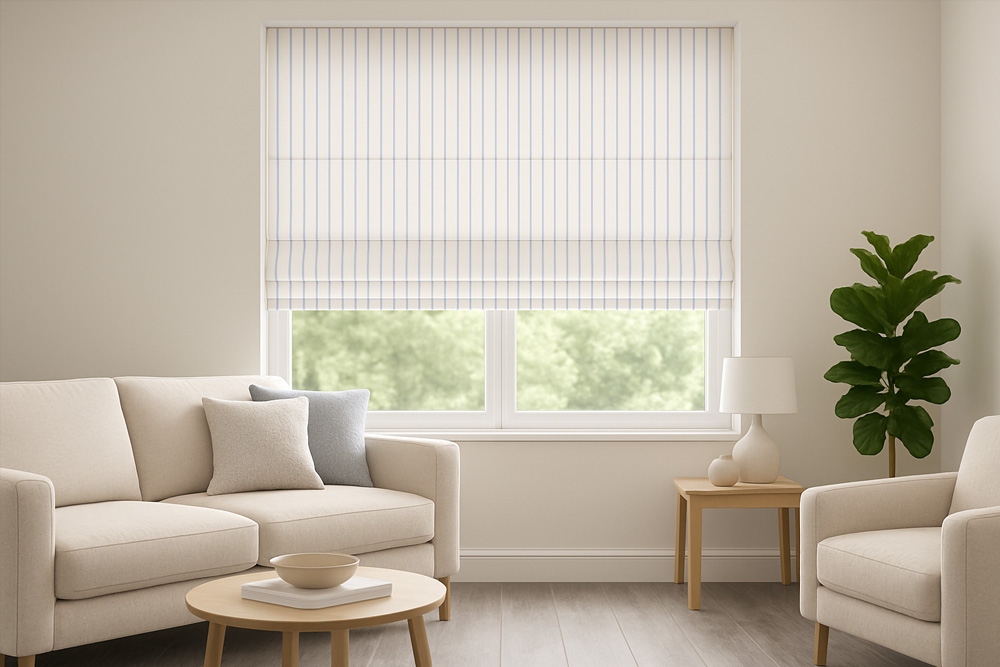
Window treatments can dramatically transform any space, but choosing the right types of shades for windows can feel overwhelming with so many options available. Unlike window blinds that use individual slats to control light, window shades feature a continuous panel of fabric or material that moves up and down to cover your windows. This fundamental difference makes shades an excellent choice for creating clean lines while providing superior light control and energy savings.
Whether you’re looking to block light in your bedroom, filter sunlight in your living room, or protect furniture from harsh UV rays, understanding the different types of window shades will help you make the best choice for each space in your home. From energy efficient cellular designs to elegant Roman styles, each shade type offers unique benefits that can enhance both the function and aesthetics of your windows.
This comprehensive guide covers everything you need to know about popular window shades, from basic roller designs to sophisticated motorized systems that integrate with smart home technology. You’ll discover how different shade styles can provide privacy, reduce glare, and create the perfect ambiance while potentially saving money on your energy bills year round.
Popular Window Shade Types Overview
The world of window coverings offers numerous shade styles, each designed to meet specific functional and aesthetic needs. Understanding the key differences between these options helps you make informed decisions for your home.
Quality cellular shades represent the gold standard for insulation and energy savings, featuring a unique honeycomb design that creates air pockets to regulate temperature. These energy-efficient shades can reduce heating and cooling costs by up to 40% when properly installed, making them an excellent long-term investment for any home.
Roller shades or roll-up blinds provide a clean appearance with their simple design, where fabric wraps around a tube mechanism at the top of the window. Available in over 400 fabric choices, these versatile shades suit both modern and traditional interiors and offer sheer to blackout opacity levels.
Roman window shades bring warmth and elegance to any space through their soft fabric folds that create a sophisticated, upholstered appearance. These classic shades work beautifully in dining rooms and living rooms where you want to add visual interest and luxury fabric textures.
Screen solar shades excel at blocking UV rays while maintaining clear views of the outdoors. With various openness percentages, these specialized shades reduce glare on computer screens and protect furniture from fading without completely darkening your room.
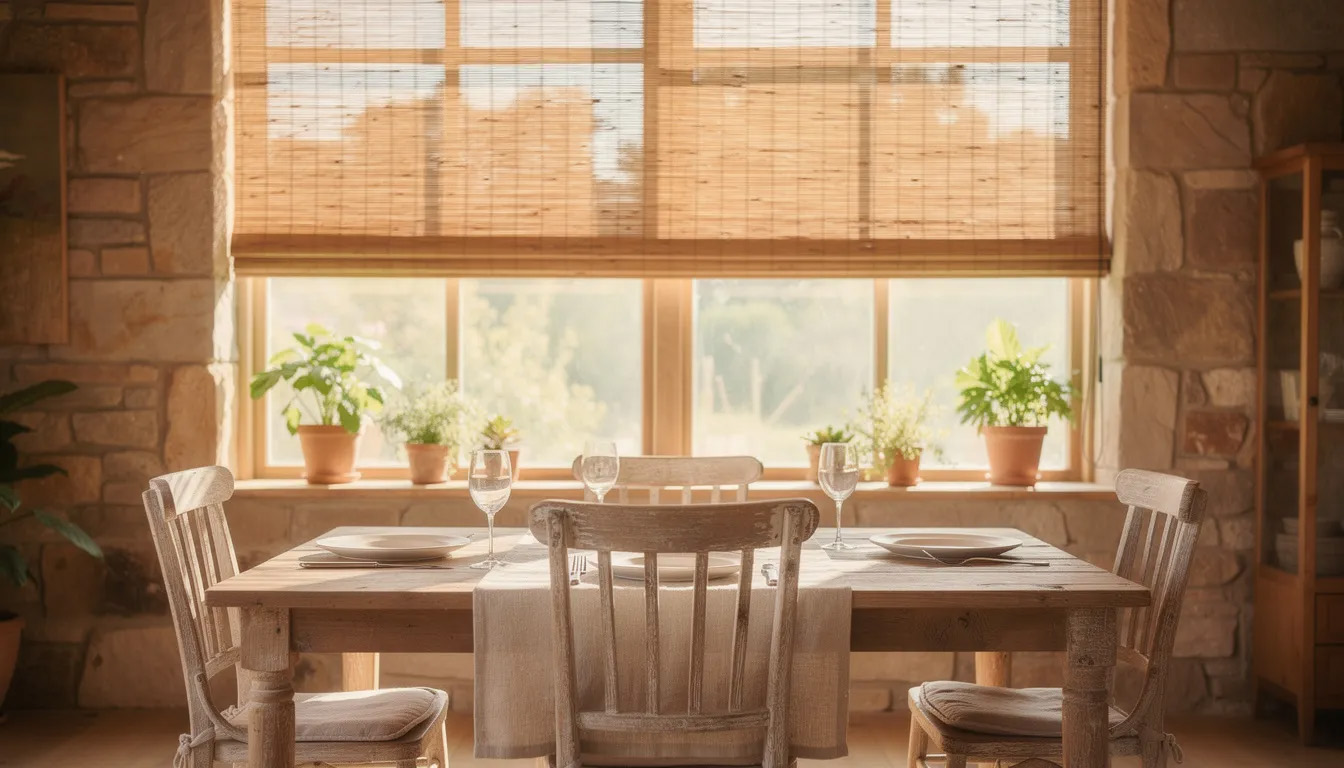
Natural woven wood bamboo shades introduce natural materials like bamboo and reed to create organic textures that complement both rustic and contemporary design styles. These sustainable options add warmth to any space while supporting eco-friendly home design principles.
Sheer fabric shades and transitional styles like zebra shades offer adjustable light filtering through innovative dual-layer designs. These modern solutions provide privacy during the day while allowing natural light to enhance your interior spaces.
How Different Types of Window Shades Compare
| Shade Type | Best For | Light Control | Energy Efficiency |
|---|---|---|---|
| Roller Shades | Modern minimalist design | Light filtering to blackout | Moderate |
| Cellular Shades | Energy efficiency | Light filtering to blackout | Excellent insulation |
| Roman Shades | Decorative fabric style | Light filtering to blackout | Moderate |
| Zebra Shades | Adjustable daylight | Layered light control | Moderate |
| Solar Shades | Glare reduction and UV protection | Sheer filtering | Moderate |

Learn more about What Are Window Shades?
Cellular Shades (Honeycomb Shades)
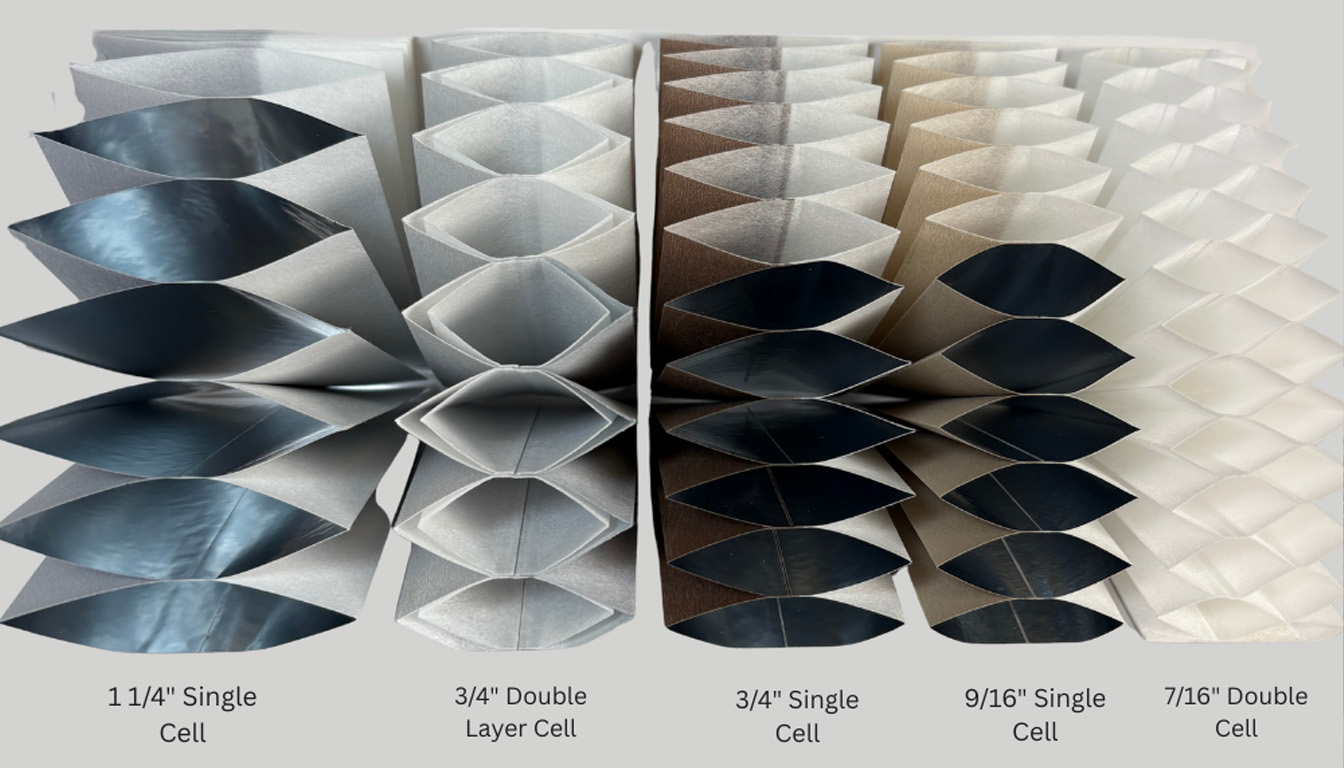
Cellular shades stand out as the most energy-efficient option among all types of window shades, thanks to their innovative honeycomb design that traps air in specialized cells. This unique structure creates excellent insulation properties that can significantly reduce your heating and cooling costs throughout the year.
The honeycomb design comes in both single-cell and double-cell configurations, with double cell options providing superior thermal performance. These air pockets act as barriers against heat transfer, making cellular shades particularly effective in extreme climates where energy savings matter most.
Light filtering options range from sheer fabrics that gently diffuse natural light to complete blackout materials perfect for bedrooms and media rooms. Many homeowners choose light filtering cellular shades for living areas where they want to reduce glare while maintaining connection to the outdoors.
Modern cellular shades feature cordless operation systems that eliminate safety concerns for families with children and pets. These smooth-lifting mechanisms also provide a cleaner aesthetic by removing visible cords from your window treatments.
The compact design of honeycomb shades makes them ideal for shallow window frames where other treatments might not fit properly. When raised, these shades create minimal stack height, preserving your view while maintaining the shade’s functionality.
Installation versatility allows cellular shades to work in standard rectangular windows, skylights, and even angled architectural features. The lightweight construction and precise engineering ensure smooth operation regardless of window orientation.
Bottom up shades and top-down configurations offer flexible light control options. You can lower shades from the top to maintain privacy at eye level while allowing daylight to enter through the upper portion of your windows.
Roller Shades
Roller shades offer the perfect combination of simplicity and versatility, making them among the most popular window treatments for contemporary homes. Their clean appearance comes from a straightforward mechanism where fabric rolls into a headrail, creating unobstructed views when raised and full coverage when lowered.
The extensive fabric selection includes over 400 choices in various colors, patterns, and textures to complement any interior design style. From natural fibers to high-performance synthetics, you can find roller shade fabrics that match both traditional and modern aesthetics while meeting specific functional requirements.
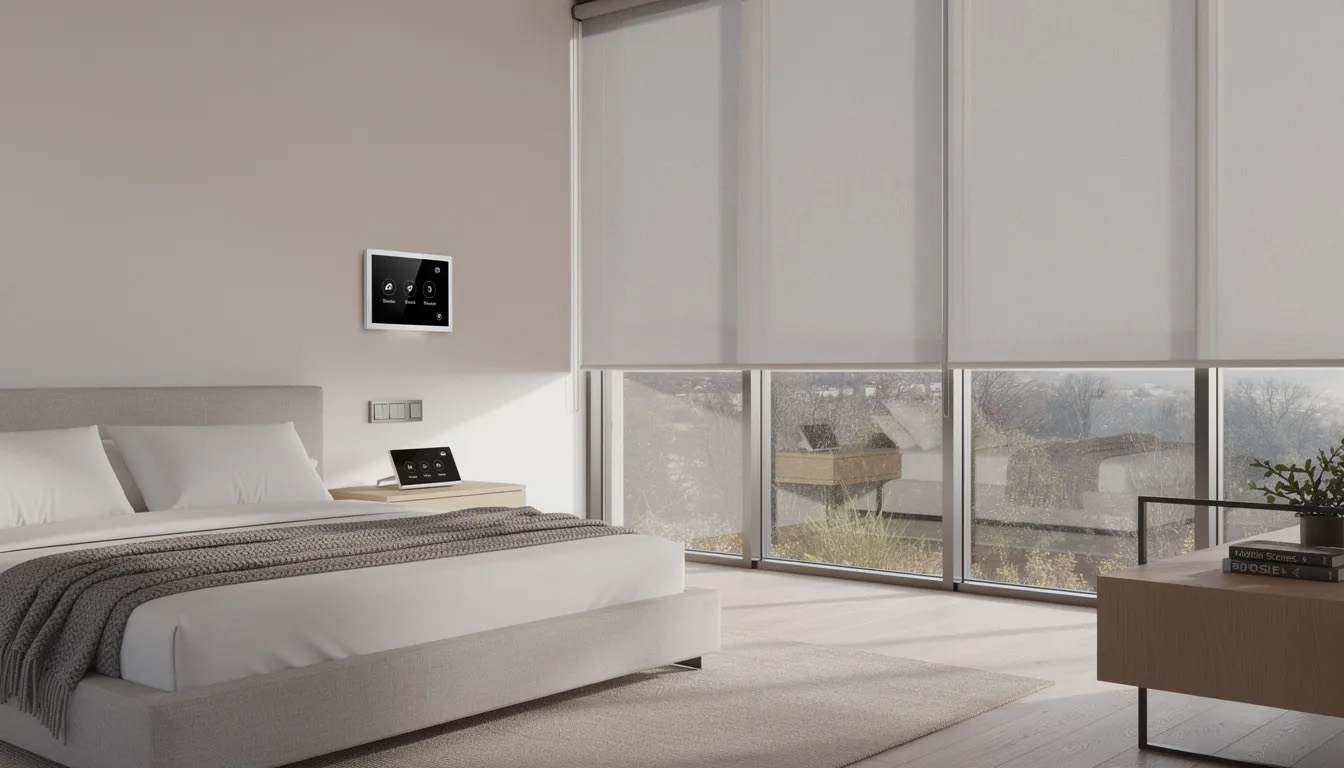
Motorized options transform roller shades into smart home components that integrate seamlessly with systems like Alexa and Google Home. These automated systems enable scheduled operation based on time of day or sun position, optimizing energy efficiency and convenience without manual intervention.
Custom sizing capabilities allow roller shades to fit virtually any window shape, including arches, angles, and oversized openings. This flexibility makes them suitable for challenging architectural features where other shade types might not work effectively.
The modern feel of roller shades complements minimalist design trends while providing excellent functionality. Their simple design eliminates visual clutter, making rooms feel larger and more open while still delivering effective light control.
Professional installation ensures proper operation and longevity, particularly for large windows or motorized systems. Precise measurements and proper mounting techniques prevent operational issues and maximize the shade’s performance.
Maintenance requirements remain minimal thanks to durable synthetic fabrics that resist fading, moisture, and everyday wear. Most roller shade materials can be cleaned with simple dusting or gentle spot cleaning to maintain their appearance over time.
Roman Shades
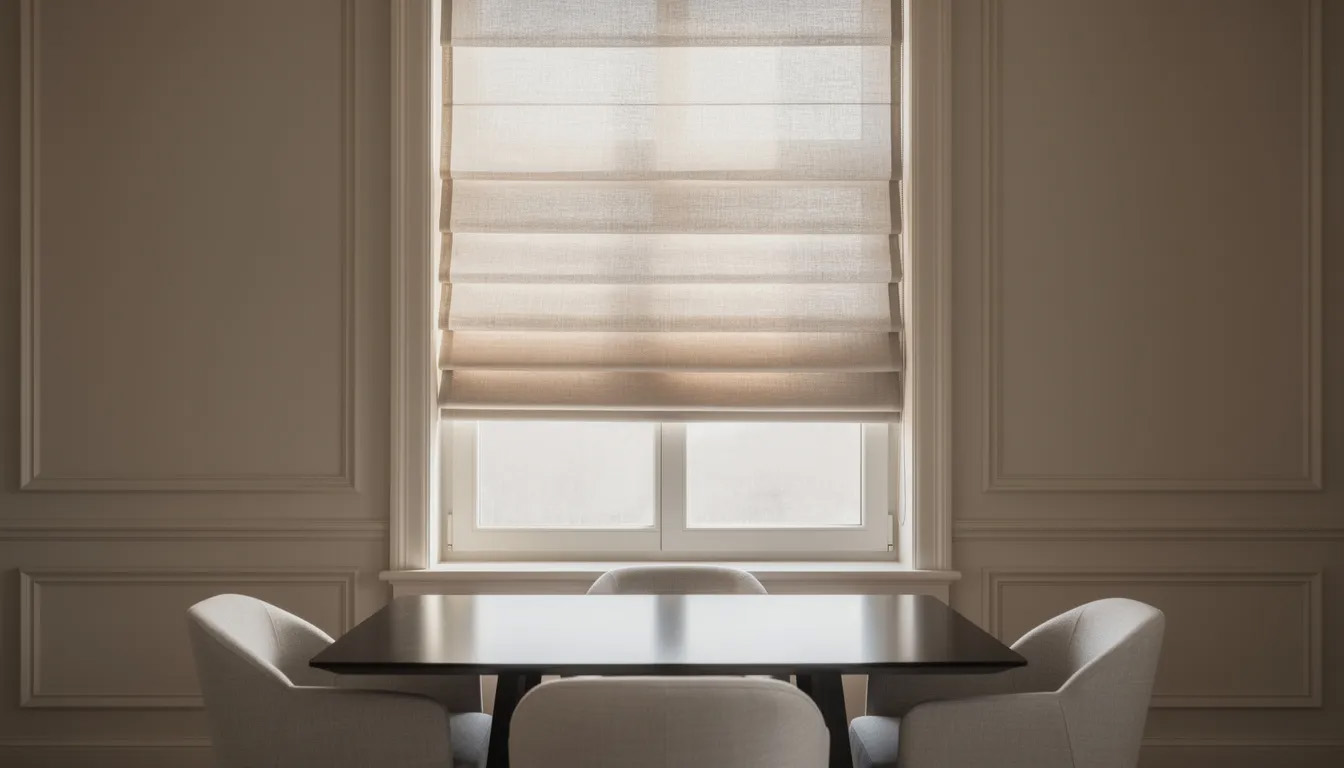
Roman shades deliver timeless elegance through their distinctive fabric folds that create a sophisticated, upholstered appearance on your windows. These classic window treatments work beautifully in spaces where you want to add visual interest and luxury touches to your interior design.
Luxury fabric options include silk, linen, cotton, and designer prints that can transform ordinary windows into stunning focal points. The wide range of available materials allows you to coordinate with existing décor while adding texture and color that enhances your overall design scheme.
Flat fold and waterfall fold styles offer different aesthetic appeals to suit various design preferences. Flat-fold Romans provide clean, horizontal pleats when raised, while waterfall styles maintain gentle cascading curves even when fully lowered, for a more relaxed appearance.
Cordless lifting systems eliminate safety hazards associated with traditional cord mechanisms while maintaining the shade’s elegant operation. These modern systems provide smooth raising and lowering without compromising the classic aesthetic that makes Roman shades so appealing.
Custom sizing accommodates irregular and oversized window openings that might challenge other shade types. Professional fabrication ensures proper proportions and fold spacing that create the desired visual impact while maintaining functional performance.
The insulation properties of Roman shades improve when lined with specialized fabrics that enhance light control and thermal performance. These linings can provide anything from light filtering to complete blackout capabilities, depending on your specific room requirements.
Stack height considerations are important with Roman shades since the folded fabric occupies more space when raised compared to roller styles. This characteristic makes them ideal for taller windows where the stacked fabric won’t obstruct views or architectural details.
Solar Shades
Solar shades excel at managing direct sunlight while preserving your connection to outdoor views, making them perfect for windows that receive harsh sunlight throughout the day. These specialized window treatments use engineered fabrics designed specifically to filter sunlight and reduce heat gain without completely blocking natural light.
Openness percentages ranging from 1% to 14% control how much light passes through the fabric while maintaining outdoor visibility. Lower percentages, such as 1% and 3%, provide maximum sun protection and privacy, while higher openness factors allow more light and clearer views in spaces where brightness is desired.
UV protection capabilities prevent furniture fading and protect flooring, artwork, and fabrics from sun damage. Quality solar shades can block up to 99% of harmful UV rays, significantly extending the life of your interior furnishings while maintaining a bright, comfortable environment.
Glare reduction benefits make solar shades particularly valuable in home offices and media rooms where computer screens and televisions require optimal viewing conditions. The specialized fabric weave eliminates harsh reflections while preserving enough natural light for comfortable daily activities.
Outdoor visibility remains excellent during daytime hours, allowing you to enjoy scenic views while staying protected from intense sun exposure. The fabric’s construction maintains clear sight lines to your garden, landscape, or cityscape, without the visual interference common with other sun-protection methods.
Durable construction withstands constant sun exposure and weather-related stress better than traditional fabric shades. The PVC-coated fiberglass or high-performance polyester materials resist fading, stretching, and deterioration even in demanding environmental conditions.
Heat reduction properties help lower cooling costs during hot summer months by preventing solar heat gain through your windows. This energy-saving benefit makes solar shades an excellent investment for south-facing windows and rooms with large glass surfaces.
Woven Wood Shades
Woven wood shades bring natural materials and organic textures into your home through sustainable fibers like bamboo, reed, grass, and other plant-based materials. These eco-friendly window treatments create warmth and visual interest while supporting environmentally conscious design principles.
Natural materials provide unique character variations that add authentic charm to both modern and rustic interior styles. Each shade displays subtle differences in color and texture that create a handcrafted appearance impossible to replicate with synthetic alternatives.
Bamboo construction offers excellent durability and sustainability since bamboo grows rapidly and requires minimal environmental resources to harvest. This renewable material provides strength and longevity while maintaining the natural aesthetic that makes woven wood shades so appealing.
Optional fabric liners enhance light control and privacy capabilities when complete coverage is needed. These linings can transform semi-transparent woven materials into effective room-darkening or blackout solutions for bedrooms and media spaces.
Roman shade and panel styles provide different installation options depending on your window configuration and design preferences. Roman-style woven wood shades fold up in classic horizontal pleats, while panel styles work well for large windows and sliding door applications.
Environmental benefits appeal to homeowners seeking sustainable home improvement options that reduce their environmental footprint. The renewable nature of bamboo and other natural fibers makes these shades an excellent choice for green building projects and eco-conscious households.
Color variations in natural materials create depth and visual interest that synthetic alternatives cannot match. The organic tones and textures complement earth-tone color schemes while adding warmth to spaces that might otherwise feel cold or sterile.
Sheer Shades and Transitional Shades
Sheer shades and transitional designs like zebra shades represent innovative approaches to light control that combine privacy with natural light diffusion. These modern window treatments feature a dual-layer construction for adjustable coverage throughout the day.
Zebra shades feature alternating transparent and opaque fabric bands that align or offset to control light penetration. When bands align, maximum light enters while maintaining some privacy; when offset, the opaque sections provide increased privacy and light reduction.
Adjustable light control mechanisms allow precise management of brightness and privacy levels without completely blocking natural light. This flexibility makes transitional shades ideal for spaces where lighting needs change throughout the day.
Silhouette shadings combine floating vanes between sheer fabrics to create elegant light diffusion effects. The suspended fabric vanes can be adjusted to direct light while the sheer backing maintains a soft, filtered glow that enhances room ambiance.
Privacy maintenance during daylight hours occurs naturally as exterior light levels exceed interior lighting. The sheer fabric components provide adequate privacy screening while allowing you to maintain a visual connection with outdoor activities and scenery.
Modern design elements add visual interest to contemporary spaces through the interplay of light and shadow created by adjustable fabric layers. These sophisticated systems create dynamic lighting effects that change throughout the day as sun angles shift.
Versatile applications suit various room types, from living areas where ambiance matters to home offices requiring glare control. The combination of privacy and light filtering makes these shades particularly effective in street-facing windows where both visibility and privacy are important.
Light Control Options
Understanding opacity levels helps you choose the right shades for each room’s specific lighting needs. Different spaces require varying amounts of light control, privacy, and visibility throughout the day.
Sheer opacity maintains maximum natural light while providing basic daytime privacy screening. These treatments work well in living rooms and areas where you want to preserve brightness while reducing visibility from outside during daylight hours.
Light filtering reduces glare and harsh sunlight without creating a dark environment. This option suits home offices, reading areas, and spaces where you need comfortable lighting for daily activities without complete sun blocking.
Room darkening blocks the majority of light while allowing some gentle illumination around edges and through the fabric. This level works well for bedrooms where you want dimmer conditions without complete darkness.
Blackout shades eliminate nearly all external light to create optimal sleeping conditions and complete privacy. These shades are essential for bedrooms, nurseries, and media rooms where darkness is required for proper function.
Layering different opacity levels provides maximum flexibility by combining multiple shade types or adding curtains over existing treatments. This approach allows you to adjust light control based on time of day, season, and specific activities.
Operating Systems and Safety Features
Modern operating systems prioritize safety and convenience through innovative mechanisms that eliminate traditional safety hazards while improving daily usability. Understanding these options helps you choose systems that work best for your household and lifestyle needs.
Cordless systems eliminate strangulation hazards for children and pets by removing exposed cord loops and chains from window treatments. These spring-loaded or friction-based mechanisms provide smooth operation while maintaining the clean aesthetic that modern homeowners prefer.
Motorization enables remote control and smart home automation integration that transforms window shades into responsive home systems. Battery-operated motors work well for retrofit applications, while hardwired systems suit new construction and major renovation projects.
Top-down bottom-up operation allows privacy while maintaining upper window views and natural light entry. This configuration works particularly well in bedrooms and street-facing windows where you need privacy at eye level but want to preserve daylight and outdoor visibility.
Smart home integration with systems like PowerView enables scheduled operation based on time, weather conditions, and personal preferences. These automated systems optimize energy efficiency by responding to changes in sun position and outdoor temperature throughout the day.
Professional installation ensures proper operation and warranty coverage while preventing damage from incorrect mounting or adjustment. Experienced installers understand the specific requirements of different operating systems and can optimize performance for your particular windows.
Safety standards compliance meets or exceeds industry requirements for child safety, particularly regarding cord placement and elimination. Modern shade manufacturers design products specifically to address safety concerns while maintaining functional performance.
Energy Efficiency Considerations
Energy efficiency represents one of the most significant long-term benefits of quality window treatments, with proper shade selection and installation contributing measurably to reduced heating and cooling costs. Understanding these factors helps you make investments that pay dividends over time.
Double-cell cellular shades provide superior insulation compared to single-cell options through enhanced air trapping capabilities. The additional layer creates more dead air space, which significantly improves the shade’s R-value and thermal performance.
Insulating liners added to Roman and woven wood shades improve their thermal performance without sacrificing aesthetic appeal. These specialized backings can transform decorative treatments into energy-efficient systems that contribute to overall home comfort.
Proper installation and professional measurement ensure optimal energy savings by eliminating air gaps and light leaks that reduce insulation effectiveness. Precision fitting is particularly important for cellular shades where thermal performance depends on proper sealing around window openings.
Automated shade operation reduces heating and cooling costs through scheduled responses to weather conditions and sun position. Smart systems can close shades during peak summer heat or open them to capture winter solar gain, optimizing energy efficiency without manual intervention.
Energy Star qualified products offer verified energy efficiency ratings that help you compare options based on standardized testing procedures. These certifications provide reliable performance data to inform decisions about the long-term energy-savings potential.
Thermal performance comparisons show significant differences between shade types, with cellular designs typically providing the highest insulation values. Understanding these differences helps you prioritize energy efficiency in rooms where heating and cooling costs are highest.
Choosing the Right Shade Type for Different Rooms
Room-specific recommendations help you match shade functionality with each space’s unique requirements for light control, privacy, and aesthetic appeal. Different activities and orientations create varying needs that specific shade types address most effectively.
Bedrooms benefit from blackout cellular or Roman shades that create optimal sleeping conditions while providing superior insulation. The combination of light-blocking and thermal performance makes these rooms more comfortable while reducing energy costs for climate control.
Living rooms work well with light-filtering roller or sheer shades that maintain natural light while reducing glare and providing daytime privacy. These spaces often prioritize maintaining connection with outdoor views while creating comfortable conditions for daily activities.
Home offices require solar shades to reduce computer screen glare while preserving outdoor visibility, which can reduce eye strain and mental fatigue. The specialized fabric construction eliminates harsh reflections without creating the cave-like feeling that blackout treatments might produce.
Kitchens and bathrooms need moisture-resistant fabrics and easy-clean materials that withstand humidity and cooking vapors. Synthetic roller shade fabrics and certain cellular materials perform well in these challenging environments while maintaining an attractive appearance.
Large windows and sliding doors suit vertical cellular or panel track systems that can handle expansive glass areas while providing even light distribution. These applications often benefit from motorized operation due to the size and weight of treatments required for proper coverage.
Dining rooms often showcase Roman or woven wood shades that add elegance and warmth to formal entertaining spaces. These rooms can accommodate the larger stack height of soft shades since unobstructed views are less critical than in living areas.
Learn more: Should Window Treatments Match Throughout the Home.
How to Choose the Right Type of Window Shade
Choosing the best window shade depends on several factors, including light control, privacy needs, energy efficiency, and interior design style. Bedrooms often benefit from blackout or cellular shades, while living rooms typically use light filtering roller or zebra shades that allow natural daylight while reducing glare.
Rooms with strong sunlight may benefit from solar shades that reduce UV exposure and protect furniture from fading. For homeowners looking for decorative fabric window treatments, Roman shades offer a stylish alternative that combines softness and functionality.
Installation and Maintenance Requirements
Understanding installation options and maintenance needs helps you plan for the long-term success of your window treatment investment. Proper installation and care ensure optimal performance and appearance throughout the shade’s lifespan.
Inside mount installation provides a clean appearance by fitting shades within the window frame, creating seamless integration with your window architecture. This approach requires precise measurements and adequate frame depth to accommodate the shade mechanism and operation.
Outside mount installation covers the window frame and accommodates irregular openings while providing maximum light blocking around the window perimeter. This method works well for windows with insufficient depth for inside mounting or for maximum coverage.
Professional installation ensures proper operation and warranty coverage while preventing damage from incorrect mounting techniques or inadequate hardware selection. Experienced installers understand the specific requirements of different shade types and operating systems.
Regular maintenance involves periodic dusting with appropriate tools and techniques for each shade type. Cellular shades require gentle vacuuming with brush attachments, while roller shades often need only light dusting or occasional spot cleaning with appropriate materials.
Motorized systems require periodic battery replacement for battery-operated units or electrical connection maintenance for hardwired installations. Understanding these requirements helps you plan for ongoing system operation and optimal performance.
Warranty protection typically requires professional installation and proper maintenance procedures to remain valid. Following manufacturer guidelines for care and operation protects your investment while ensuring optimal performance throughout the product’s intended lifespan.
Professional measuring services eliminate costly sizing errors that can affect both appearance and function. Accurate measurements are particularly critical for inside mount installations where even small errors can prevent proper fit and operation.
Related Article: How Much Do Custom Blinds Cost?
Types of Window Shades - Frequently Asked Questions
What are the most common types of window shades?
What is the difference between window blinds and window shades?
What are roller shades?
What are Roman shades?
What are cellular shades?
What are zebra shades?
What are solar screen shades?
What are woven wood or bamboo shades?
Which type of window shade is best for bedrooms?
Which types of window shades are best for energy efficiency?
Which window shades work best for modern interiors?
Can window shades be motorized?
Commercial Applications
Businesses and commercial buildings often use specialized window coverings to manage sunlight and privacy. Learn more about commercial window treatments for offices, schools, and healthcare facilities.
Conclusion
Selecting the right types of shades for windows involves balancing functional requirements with aesthetic preferences to create solutions that enhance both comfort and style throughout your home. From energy efficient cellular designs that can reduce utility costs by up to 40% to elegant Roman styles that bring warmth to formal spaces, each shade type offers distinct advantages for specific applications.
The key to successful shade selection lies in understanding how different materials, operating systems, and light control options work together to meet your unique needs. Whether you prioritize UV protection for furniture preservation, blackout capabilities for better sleep, or smart home integration for modern convenience, today’s shade technologies provide solutions that exceed traditional window covering capabilities.
Consider consulting with window treatment professionals who can provide expert guidance on measuring, selection, and installation to ensure optimal performance and longevity. Proper planning and professional installation maximize both the aesthetic impact and functional benefits of your window shade investment, creating lasting value that enhances your daily living experience year round.
Compare Different Window Shade Types
- Zebra Shades vs Roller Shades
- Zebra Shades vs Cellular Shades
- Roller Shades vs Cellular Shades
- Roller Shades vs Roman Shades
- Solar Shades vs Cellular Shades
- Zebra Shades vs Sheer Shades
- Zebra Shades vs Dual Roller Shades
- Bamboo Shades vs Woven Wood Shades
- What is a Window Blind?
Explore our full collections of roller shades, cellular shades, Roman shades, woven wood bamboo shades, and sheer shades.