








Choosing between roller and Roman shades comes down to look, function, and the way you live. Roller shades deliver a clean, modern profile with excellent glare reduction and smart-home options, while Roman shades add tailored fabric folds for designer softness and elevated style. Explore light control, privacy, insulation, and budget differences so you can pick the perfect window treatment for every room.
Choosing between roller and Roman shades comes down to look, function, and the way you live. Roller shades deliver a clean, modern profile with excellent glare reduction and smart-home options, while Roman shades add tailored fabric folds for designer softness and elevated style. Explore light control, privacy, insulation, and budget differences so you can pick the perfect window treatment for every room.
When considering vs roller shades, it's important to directly compare their design, functionality, and suitability for your space. The roman shades vs roller shades debate centers on differences in aesthetic appeal, space requirements, and maintenance, helping you decide which is best for your needs. Both roman and roller shades are popular choices for modern homes, each offering unique benefits. Roller shades are an ideal solution for statement windows, providing a minimal look that lets your windows stand out. They are also the perfect complement to minimalist or contemporary interiors. If you're seeking an affordable option, roller shades deliver style and practicality without breaking the bank.
Explore our complete range of custom window shades designed for style and function.
Introduction to Window Treatments
Window treatments are more than just a finishing touch for your home—they play a vital role in both the look and function of your living spaces. The right window treatments can transform a room by controlling natural light, enhancing privacy, and even improving energy efficiency. Among the many options available, roman shades and roller shades stand out for their unique blend of style and practicality. Whether you’re looking to create a cozy atmosphere or achieve a sleek, modern vibe, understanding the differences between these two popular shades will help you choose the best solution for your windows.
What are Roller Shades?
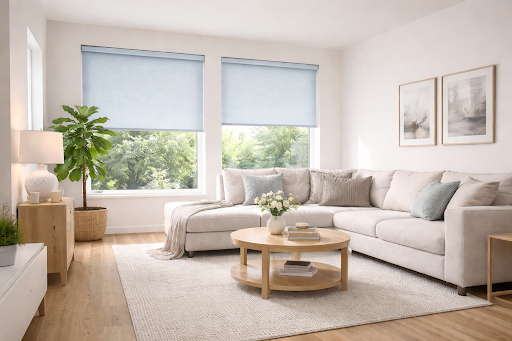
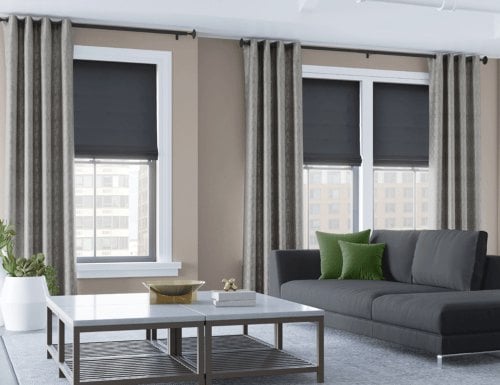
Roller shades are a streamlined window treatment consisting of a single piece of fabric that rolls up and down around a roller mechanism. This simple design offers clean lines and a compact profile, making roller shades a favorite for those who appreciate a minimalist aesthetic. The fabric panel can be easily adjusted to let in just the right amount of light, providing both privacy and excellent light control. Roller shades are also known for being a cost-effective option, making them ideal for homeowners who want a stylish yet affordable window covering. With a variety of fabric choices and finishes, roller shades offer versatility to complement any room’s decor.
Learn More: What are Roller Shades
What are Roman Shades?
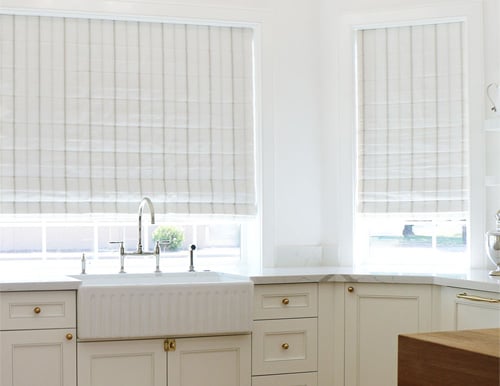
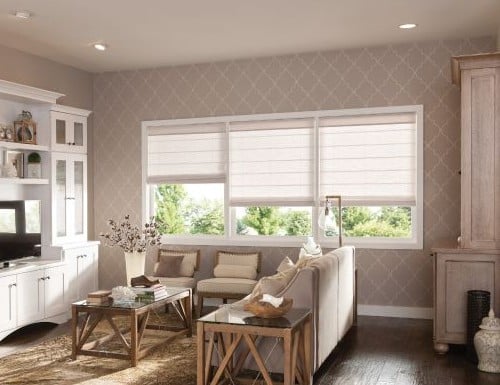
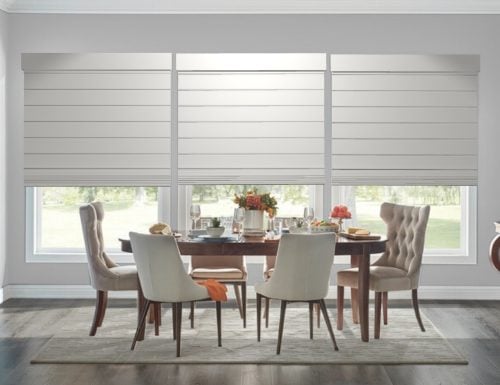
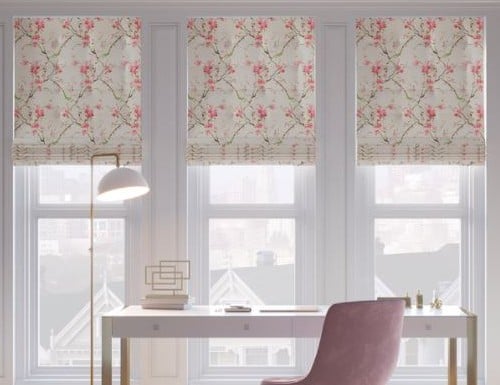
Roman shades are timeless window treatments that bring a touch of classic elegance to any space. Crafted from fabric that folds neatly as the shade is raised, roman shades offer a layered, decorative look that works beautifully in both traditional and contemporary interiors. Operated by a cord system, these shades allow you to easily adjust light and privacy levels to suit your needs. Roman shades are available in a wide range of fabric options and fold styles, making it easy to customize them to your personal taste and interior design. Whether you prefer bold patterns or subtle textures, roman shades provide a sophisticated solution for those seeking both function and style in their window treatments.
Learn More: What are Roman Shades
Explore More
Roller Shades vs. Roman Shades — FAQs
What’s the main difference between roller shades and Roman shades?
Roller shades wrap around a tube for a sleek, minimal profile; roller blinds, as they are also called, are known for their modern, minimal design. Roman shades raise into fabric folds for a soft, tailored look that showcases texture and drape, using multiple layers of fabric for added texture and insulation. Roman shades also come in different styles, offering a range of design options.
Which looks more modern vs. classic?
Rollers skew modern and streamlined; Romans feel classic or designer-forward with visible fabric folds (flat, hobbled, relaxed, pleated styles). Roman shades are known for their classic appearance, which brings timeless elegance to a room. They offer a range of design elements, including various fabric patterns and textures, allowing for extensive customization. The choice between roller and Roman shades often comes down to personal style and the desired look for your space.
Which option is better for room darkening or blackout?
Both offer blackout fabrics, and there are blackout options available for both roller and Roman shades to suit different needs. Roller shades paired with side channels or a cassette/track system typically minimize light gaps more effectively than Romans. Roman shades can be upgraded with blackout lining, which not only enhances light blocking but also improves privacy and insulation. Both types of shades provide effective light blocking when paired with the right materials.
Which insulates better against heat or drafts?
Romans (especially with interlining/blackout liners) add fabric mass and air layers that can feel warmer and more insulating than a single-layer roller fabric. Roman shades with thicker fabric provide even better insulation, helping to keep rooms comfortable. Both Roman and roller shades can help reduce heat transfer through windows, improving indoor climate control. Improved insulation from these window treatments can also help lower energy bills over time. However, for maximum energy efficiency, cellular shades—thanks to their honeycomb structure that traps air—offer superior insulation compared to both Roman and roller shades.
Which is better for doors, tight recesses, or small spaces?
Roller shades have a compact roll and minimal projection—great for patio doors, shallow frames, and tight clearances. Romans have a taller stack and more projection when raised, so you'll need adequate space above the window to accommodate the fabric stack. Space considerations are important for both types of shades; always measure carefully to ensure a proper fit and sufficient clearance at the top of the window frame for smooth operation.
Which shows patterns and textures better—roller or Roman?
Romans highlight fabric body and folds (great for textured weaves and luxe looks). Both Roman and roller shades are available in different fabrics and fabric types, such as sheer, blackout, and solar screen, allowing you to customize the look and function to your needs. Choosing different fabric types provides varying levels of light filtration, privacy, and insulation. Rollers showcase clean, flat panels—ideal for solids, screens, and subtle textures
Which is easier to clean and maintain?
Roller shades (vinyl/screen fabrics) typically wipe clean more easily. Gentle vacuuming with a soft brush attachment is also recommended for routine maintenance, as it helps preserve the appearance and functionality of the shades. Compared to other window treatments, cleaning roller shades is generally less challenging and requires less frequent upkeep.
Romans should be dusted regularly; Roman shades require regular cleaning and more careful upkeep compared to other window treatments, as their layered fabric design can accumulate dust. Some fabrics benefit from professional cleaning.
Are roller shades or Roman shades more budget-friendly?
Rollers enerally start at a lower price point. Romans can cost more due to fabric yardage, liners, and tailored construction. Choosing the right shade for each room based on your needs can increase cost effectiveness, as customizing window treatments for specific functions helps maximize value while minimizing expenses
Can both be cordless or motorized (smart-home ready)?
Yes. Both offer cordless lifts for child safety and motorization for remotes, app control, and voice integration; motorized options are available for both roller and Roman shades, providing added convenience and safety. Rollers are especially popular for automation, and smart home integration allows for automated control and enhanced convenience through systems like Alexa or Google Home.
Inside or outside mount—what reduces light gaps best?
Outside mount with extra overlap reduces edge glow for both. Rollers can add side channels or a cassette to further block light at the top and sides.
How do I get a finished top treatment with each style?
Rollers: add a cassette or fascia for a streamlined cover. Romans: the headrail is usually fabric-wrapped; optional valances and returns enhance a drapery-like finish.
Which preserves outside views while cutting glare?
Solar roller shades (with openness factors like 3%, 5%, 10%) reduce glare/UV and maintain daytime views. Solar shades are specifically designed to filter harsh sunlight and protect against UV rays, making them ideal for environments with strong sun exposure. Light filtering fabrics in both roller and roman shades provide a balance between privacy and natural light, softly diffusing illumination while reducing glare and supporting energy efficiency. Romans filter or block light but don’t preserve see-through in the same way.
Where does each style work best in the home?
Rollers: Rollers: kitchens, offices, doors, modern spaces, media rooms (with blackout + channels), and large windows or statement windows where sleek lines and easy operation are desired. Roller shade fabrics also offer various levels of light filtration and privacy, helping you create the desired ambiance in each room.
Romans: living rooms, bedrooms, dining rooms—anywhere you want softness and designer fabric impact. Roman shades are especially popular in the living room for their elegance and excellent light control, making them ideal for both formal and entertainment areas. Both roller and Roman shades are suitable for large windows, providing style, privacy, and energy efficiency. Choosing the right shade can help you achieve the desired ambiance tailored to each space.
Which is easier to install and measure correctly?
Rollers are typically faster to install with fewer brackets. For both, measure width/height in three places; use the smallest inside width and follow product-specific depth/clearance guidelines. Compared to other different window treatments like blinds or curtains, roller and Roman shades generally require less hardware and are often easier for DIY installation.
Conclusion
In conclusion, roman shades and roller shades are both excellent window treatment options, each with their own set of advantages. Roman shades offer a decorative, layered appearance and natural insulation, making them perfect for those who value style and comfort. On the other hand, roller shades offer a simple, functional design that is both affordable and effective for light control. When deciding between roman shades and roller shades, consider your priorities—whether it’s maximizing energy efficiency, achieving a specific look, or finding the best fit for your lifestyle. By understanding the key differences between these two popular window treatments, you’ll be well-equipped to select the perfect shades to enhance your home’s ambiance and functionality.
From flat folds to relaxed styles, browse our selection of custom Roman shades to find the right look and function for your windows.
For additional insight, check out our Roman shades guide hub where you’ll find detailed guides and recommendations.

 (
(
 (
(