







Browse our expert advice articles below to learn more about styles, features, and how they compare to other window treatments.
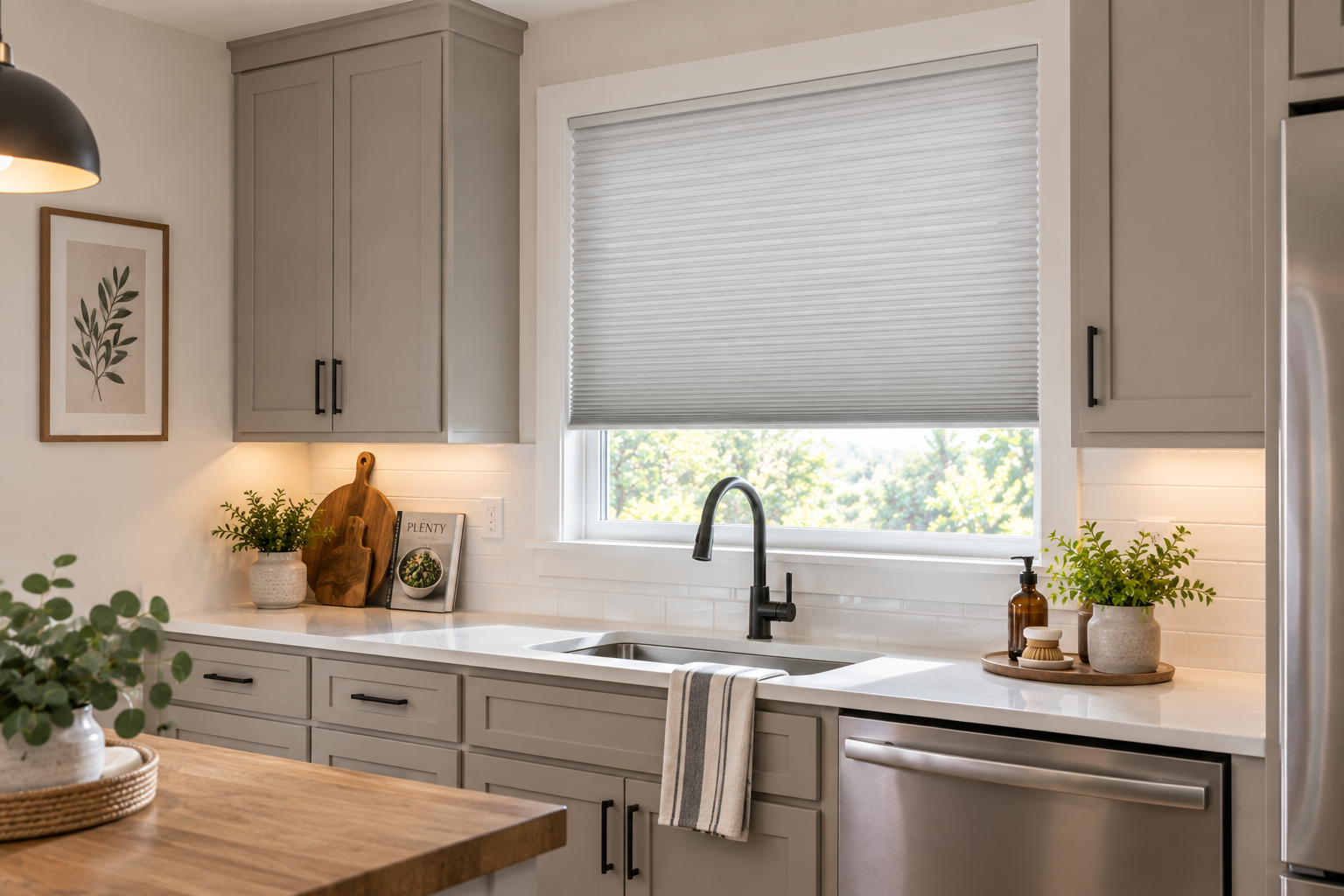
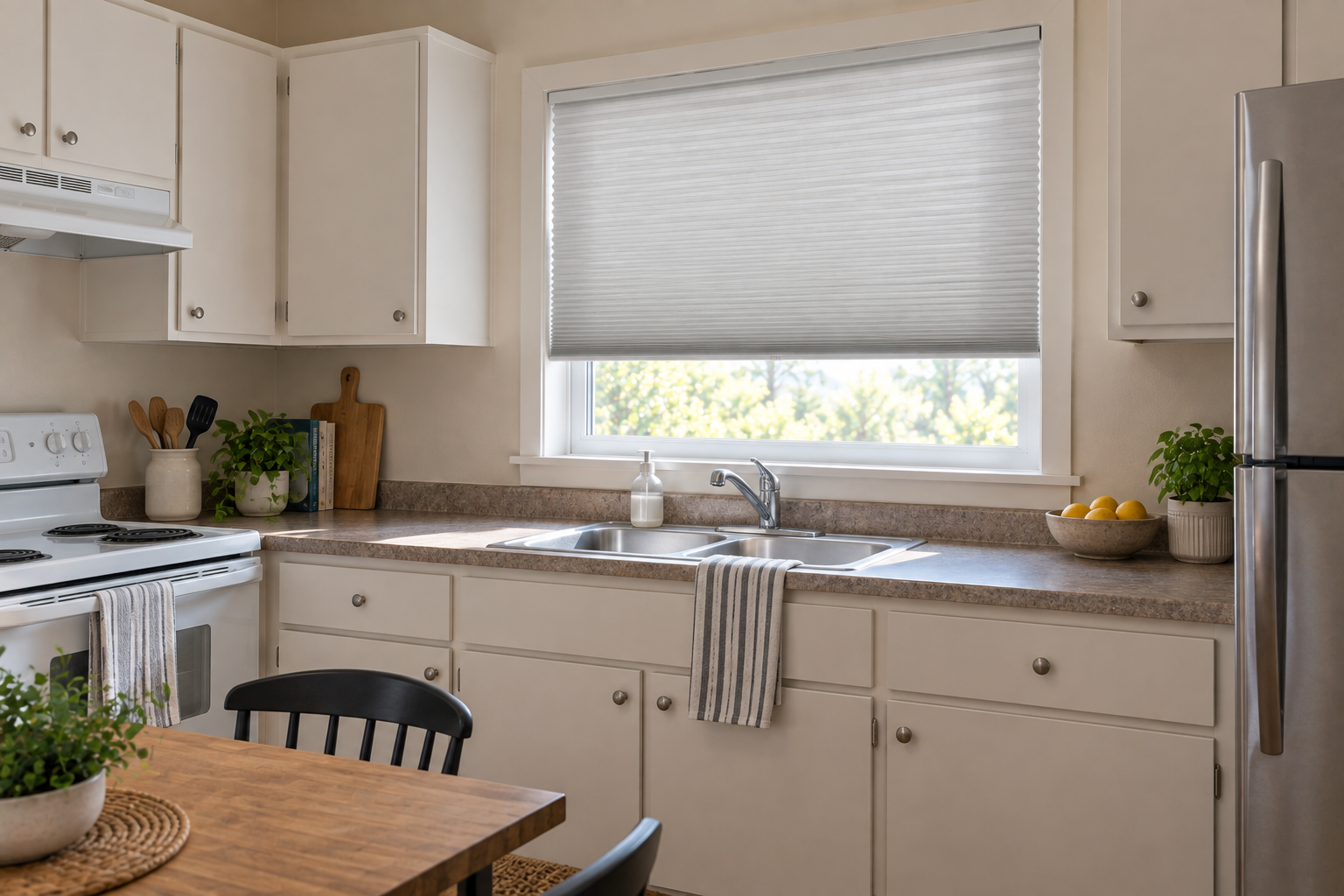
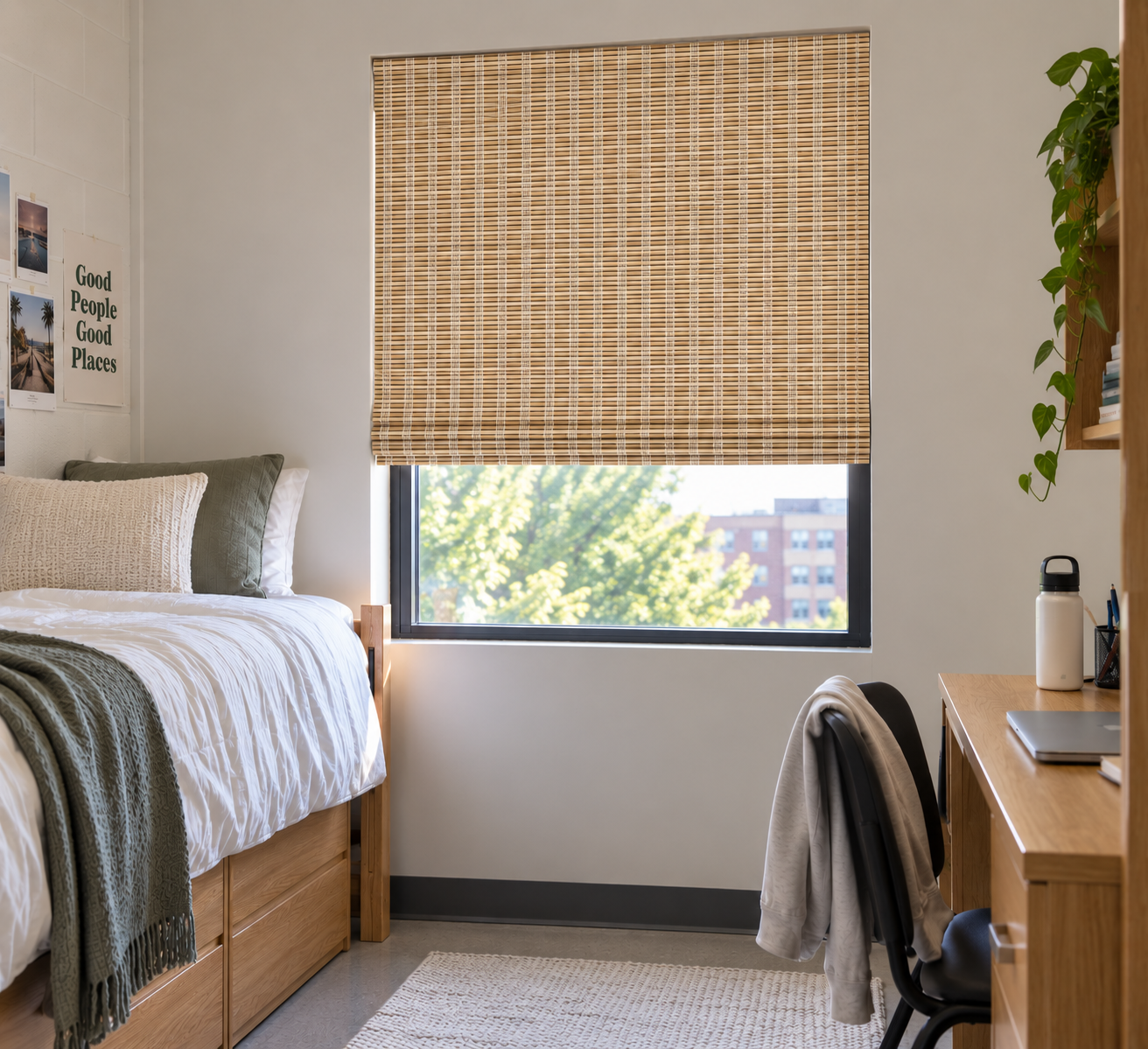
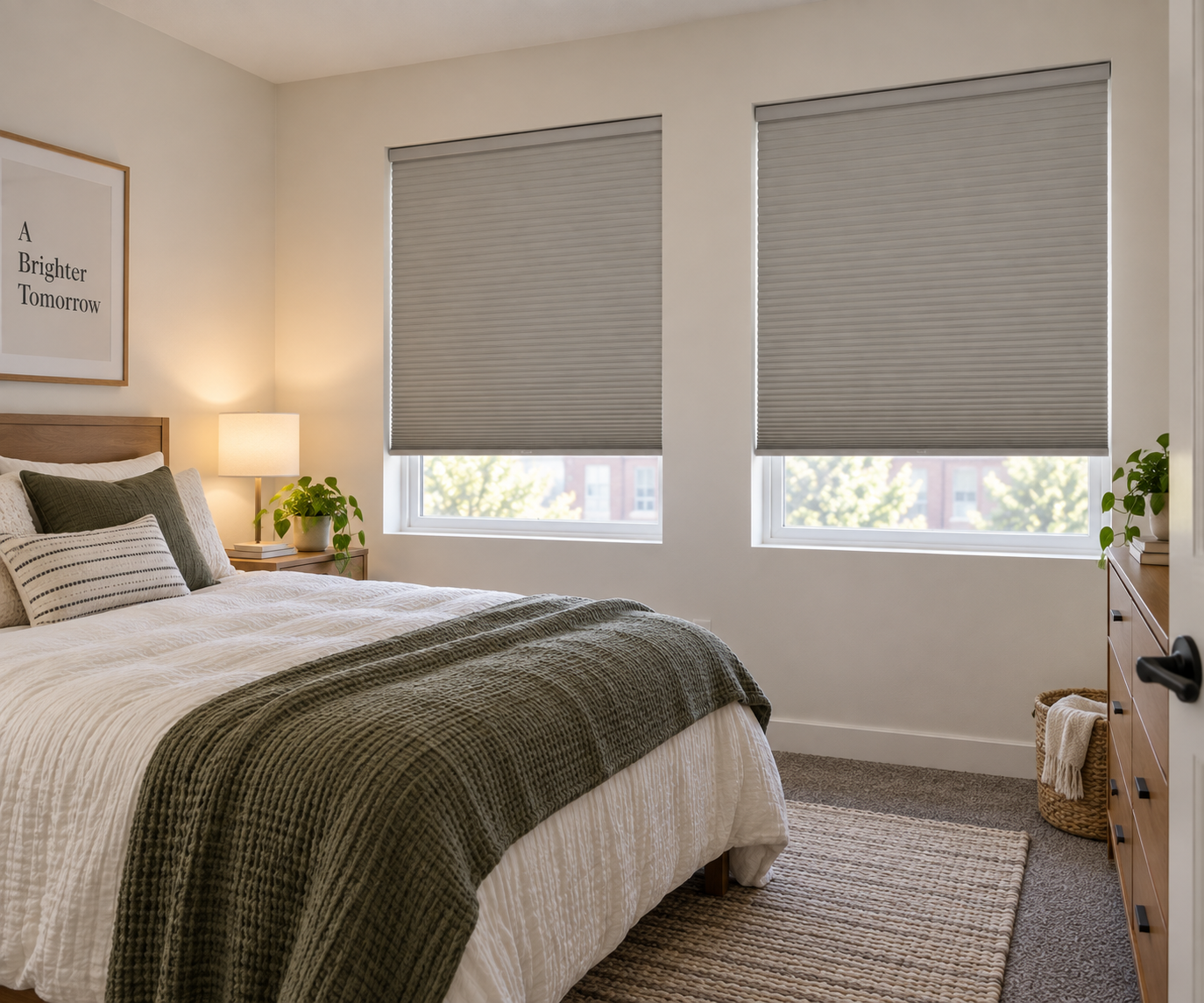
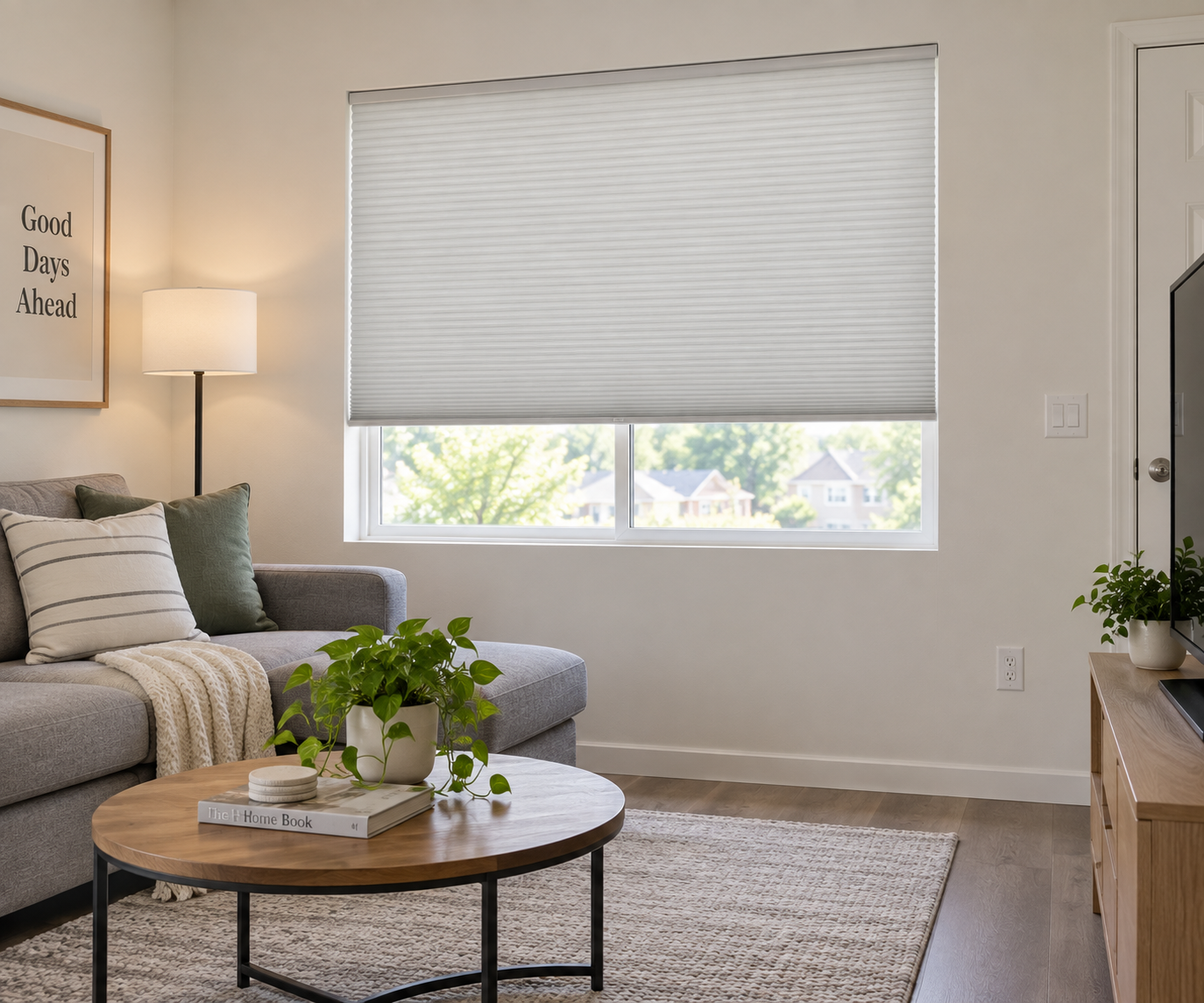
No-drill blinds and shades use tension, adhesive, or magnetic hardware to hold a custom window treatment in place without screws or drilling, which makes them a common choice for renters, older homes, and anyone who'd rather avoid permanent hardware. Because "no-drill" covers more ground than it sounds like at first — how it actually works, whether it's the right call for your situation, how well it holds up, and which specific products are worth buying — we've split those questions into their own dedicated guides rather than cramming everything into one page. This page is your starting point: a quick orientation to the topic and a map to the specific answer you're looking for.
What Does "No-Drill" Actually Mean?
In broad terms, no-drill installation replaces screws and wall anchors with one of three mounting approaches: spring-loaded tension that presses against the inside of a window frame, adhesive brackets that bond to a clean surface, or magnetic hardware that grips a metal frame or door. Each works differently, and each has its own conditions for success. We cover the mechanics of all three in detail in how do no-drill blinds and shades work.
Is No-Drill Right for Your Situation?
No-drill installation solves a specific problem: it lets you add a real, custom-fit window treatment without permanently altering the window or wall, which matters most for renters, historic homes, and anyone who wants the option to take their treatments with them. It's not automatically the right call for every window or every product — size, weight, and frame condition all play a role. Our guide on when should you choose no-drill blinds and shades walks through that decision in full.
How Reliable Are No-Drill Systems?
A properly measured, properly installed no-drill system is designed to hold securely within the manufacturer's size and weight limits, and we recommend it often. That said, we still generally prefer traditional screw-mounted brackets when drilling is practical, since a direct connection to solid framing has fewer variables that can go wrong over time. If you're weighing that tradeoff, or wondering what causes a no-drill system to fail, do no-drill blinds really stay up? covers holding strength, failure conditions, and the signs a system is starting to slip.
Which No-Drill Products Are Worth Buying?
Not every no-drill product performs the same way, and some mounting styles suit certain rooms and window types better than others. If you're past the research stage and want specific, vetted picks across cellular shades, roller shades, and mini blinds, see the best no-drill blinds and shades.
Ready to Shop?
If you already know no-drill is the right fit and just want to see what's available, browse our full no-drill blinds and shades collection, where you can filter by shade type, measure your window, and confirm sizing against each product's mounting requirements before you order.
Find the Right Guide for Your Question
| Your question | Where to go |
|---|---|
| How does no-drill mounting actually work? | How Do No-Drill Blinds and Shades Work? |
| Should I get no-drill or traditional mounting for my window? | When Should You Choose No-Drill Blinds and Shades? |
| Will it actually stay up, and what makes it fail? | Do No-Drill Blinds Really Stay Up? |
| Which specific products should I buy? | Best No-Drill Blinds and Shades |
| I'm ready to shop | Shop No-Drill Blinds and Shades |
Our Experience with No-Drill Installations
Blinds Chalet has been fitting custom window blinds and shades, both drilled and no-drill, since 2006. No-drill has come a long way from being a niche workaround — it's now a mainstream option we recommend regularly, especially for rentals and older homes. Our position across every guide on this topic is consistent: no-drill can be a genuinely good long-term solution when it's matched correctly to the window and product, but it isn't a universal replacement for a screw into solid framing, and we'll tell you plainly when a traditional mount is the better call.
Frequently Asked Questions
Are all no-drill blinds and shades installed the same way?
No. No-drill products use one of three different approaches — tension, adhesive, or magnetic mounting — and each has its own installation steps and ideal conditions. Check the specific product's instructions rather than assuming one method for all no-drill items.
Do no-drill blinds cost more than traditional blinds?
Pricing depends on the specific product and features you choose, not on whether it's no-drill or drilled. Some no-drill headrail upgrades add a small cost over a standard bracket, so check the individual product page for exact pricing.
Can I install no-drill blinds myself?
Yes, that's one of the main appeals. No-drill systems are designed for tool-free, do-it-yourself installation, typically taking a few minutes per window once you have accurate measurements.
Do no-drill blinds work on every type of window?
Not universally. Tension systems need a reasonably square, solid frame with adequate depth, adhesive needs a clean, smooth surface, and magnetic mounts only work on ferrous metal frames or doors. Very large or very heavy treatments may not be a good fit for any no-drill method.
Where should I start if I've never bought no-drill blinds before?
Start with whether no-drill fits your situation before comparing products. Our guide on when to choose no-drill blinds and shades will help you confirm it's the right approach before you start shopping specific items.