





Shade Styles: Flat Fold Roman Shades
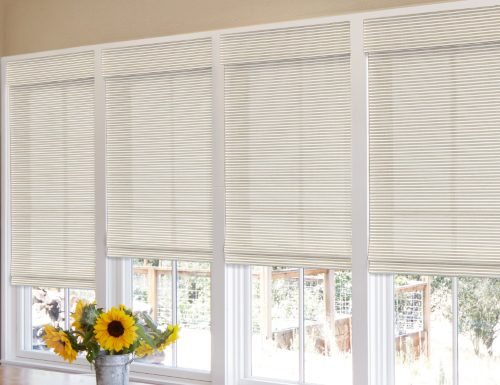
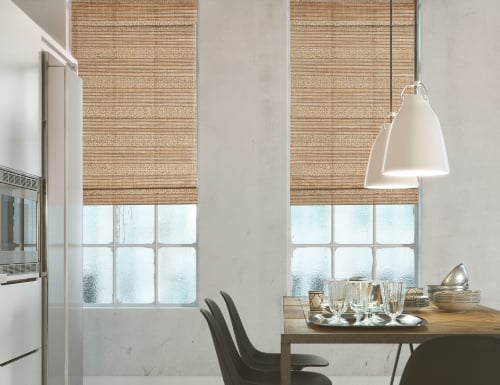
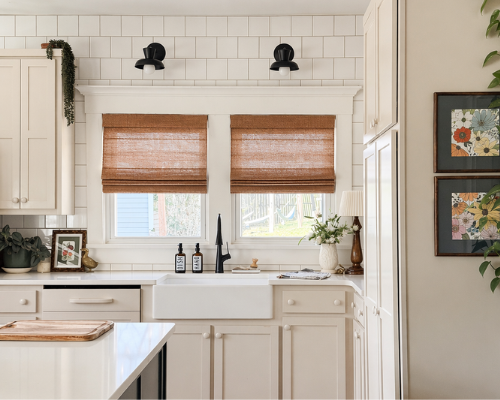
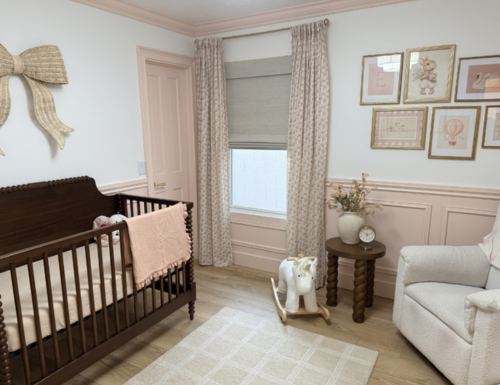
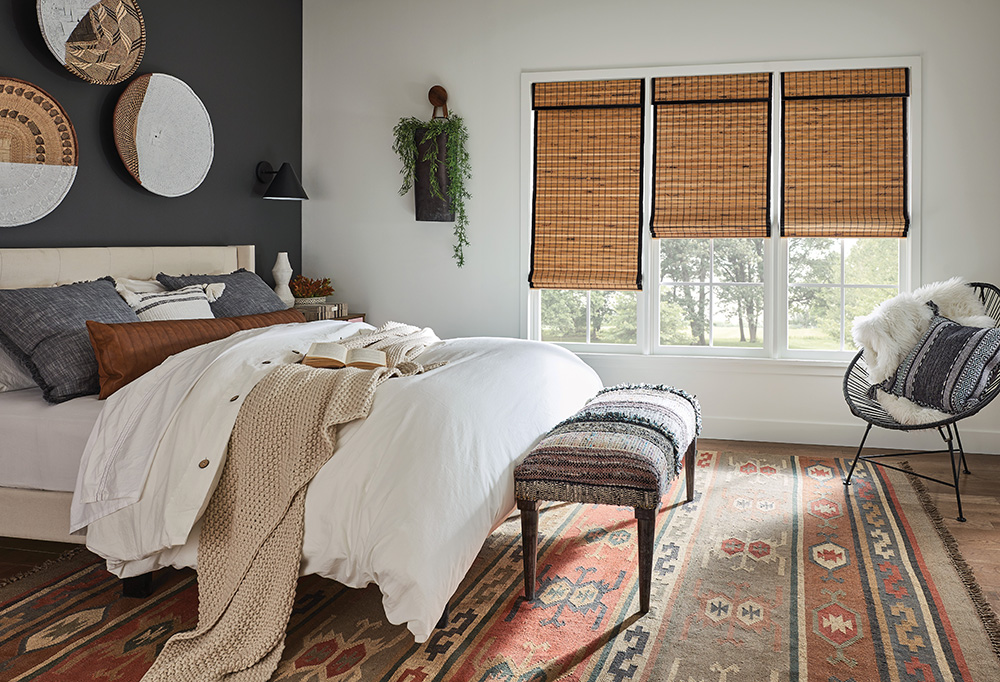
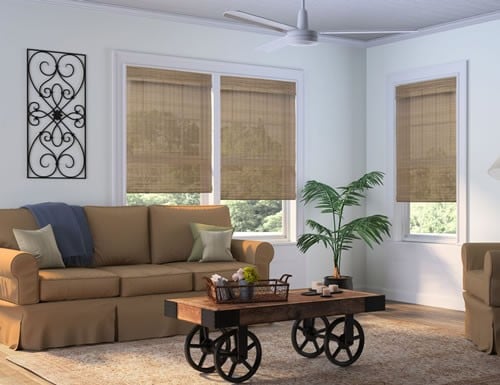
Our bamboo and woven wood shades are Roman-style shades made in a flat fold. When lowered, the woven material hangs flat and smooth across the window, showing off the full weave. When raised, it gathers into neat, flat folds that stack at the top of the window. Flat fold is the most versatile style and works with coastal, farmhouse, transitional and modern interiors.
Flat fold shades come in two top-of-shade options:
With a Valance
A matching woven valance covers the headrail for a finished, tailored look. The valance stays in place when the shade is raised and adds a decorative layer across the top of the window. This is a good choice for outside mounts or anywhere you want the headrail fully hidden.
Waterfall Style
With a waterfall style, the woven material comes off the front of the headrail and drapes down over it, replacing the valance. The result is a cleaner, more minimal look with one continuous panel of material from top to bottom. Waterfall style is popular for inside mounts and modern spaces.
What About Hobbled and Roller Bamboo Shades?
You may also see hobbled woven shades, which hang in soft, overlapping loops even when lowered, and roller bamboo shades, which wrap around a tube at the top instead of folding. We don't currently carry hobbled or woven wood roller shades. Our current collection is flat fold, and we may add a woven wood roller option in the future.
Types of Natural Materials
Although they're commonly called bamboo shades, woven shades are made from a range of natural fibers. The material affects texture, color, weave density and how much light comes through.
- Bamboo: Smooth, linear reeds with a clean, uniform look. Bamboo weaves often have a more structured, classic appearance.
- Jute: A soft, nubby fiber with a relaxed, textured feel. Jute weaves are often tighter and softer to the touch. See our jute woven wood shades.
- Grasses: Add softness, color variation and an organic, casual texture.
- Reeds: Thinner fibers that create a lighter, more open weave.
- Blended weaves: Many woven wood shades combine several of these fibers for richer texture and depth. Each color on our product pages lists its materials.
Tighter weaves filter more light and offer more daytime privacy, while open weaves let in more light and view. For more privacy or room darkening, any of these materials can be paired with a liner. Learn more about liners for bamboo shades.
Wondering whether "bamboo" and "woven wood" are different products? Read bamboo shades vs. woven wood shades.
Formats: Shades, Sliding Panels & Woven Drapes
Woven Window Shades
Standard woven shades raise and lower to cover a single window. They're the right choice for most windows in living rooms, bedrooms, dining rooms and offices.
Woven Sliding Panels
For sliding glass doors, wide windows or room dividers, woven sliding panels move side to side on a track. They're a natural-texture alternative to vertical blinds and stack neatly to one side when open. Shop Bali Natural Woven Sliding Panel Track Blinds.
Woven Wood Drapes
Woven wood drapes bring the same natural materials to a sliding drapery format, hanging in soft vertical folds and opening side to side. They're a great fit for patio doors and large openings where a shade would be too heavy to lift. Shop Bali Natural Woven Wood Drapes and Bali Premium Natural Woven Wood Drapes.
Explore more options for doors and wide openings in our vertical blind alternatives.
Lift & Operating Options
Lift systems aren't separate types of shades, but they change how a shade works day to day. Availability varies by product, size and options selected.
- Cordless: Raise and lower by hand with no cords, for a clean look and improved child safety.
- Continuous cord loop: A looped cord makes larger, heavier shades easier to lift.
- Top-down/bottom-up: Lower the shade from the top for light while keeping privacy below. Shop top-down/bottom-up shades.
- Motorized: Operate with a wand, remote or smart home system. Shop motorized shades.
How to Choose the Right Type
- For a classic, finished look: flat fold with a valance.
- For a clean, modern look: flat fold in waterfall style.
- For sliding doors and wide openings: woven sliding panels or woven wood drapes.
- For bedrooms and media rooms: any style with a blackout liner.
- For softer texture: jute or blended weaves. For a cleaner, linear look: bamboo.
Because they're made from natural materials, bamboo and woven wood shades aren't the best choice for high-moisture areas like bathrooms, laundry rooms or the window over a kitchen sink. Steam and water can cause natural fibers to warp, stretch or discolor. For those spaces, consider moisture-resistant options like faux wood blinds.
For a step-by-step buying guide, see how to choose bamboo shades.
Types of Bamboo Shades: Frequently Asked Questions
What are the main types of bamboo shades?
Bamboo and woven wood shades vary by style (such as flat fold Roman shades with a valance or waterfall top), by natural material (bamboo, jute, grasses, reeds or blends), and by format (window shades, sliding panels or woven drapes).
What is a waterfall style bamboo shade?
On a waterfall style shade, the woven material comes off the front of the headrail and drapes over it, replacing the valance. It creates a cleaner, more minimal look with one continuous panel of material.
Should I choose a valance or waterfall style?
Choose a valance for a more tailored, decorative finish that fully hides the headrail. Choose waterfall style for a simpler, modern look. Both use the same flat fold shade.
Do you offer roller bamboo shades?
We don't currently carry a woven wood roller shade, though we may add one in the future. Our current bamboo and woven wood shades are flat fold Roman styles.
What's the best type of woven shade for a sliding glass door?
Woven sliding panels or woven wood drapes are the best fit for sliding glass doors. They open side to side, so you can walk through easily, and they handle wide openings better than a single raising shade.
How does the material affect light and privacy?
Tighter weaves, such as many jute and blended weaves, filter more light and offer more daytime privacy. Open bamboo and reed weaves let in more light and view. Any type can be paired with a privacy or blackout liner for more control.
Are bamboo shades good for bathrooms and kitchens?
Natural materials are not the best choice for high-moisture areas. Steam and water can cause bamboo and woven fibers to warp, stretch or discolor. For bathrooms and spots near a sink, a moisture-resistant option like faux wood blinds is a better fit.
Learn More About Bamboo Shades
- What Are Bamboo Shades?
- Bamboo Shades vs. Woven Wood Shades
- What Are Matchstick Blinds?
- Bamboo Shade Liners for Privacy & Light Control
- How to Choose Bamboo Shades
- Installing Bamboo Shades
Ready to shop? Compare styles, materials and liners in our bamboo and woven wood shades collection, or browse more guides in our bamboo shades resource center.
Explore our full range of custom woven wood shades to add warmth, texture, and natural style to your windows.
Learn more by visiting our woven wood shades guide hub for detailed guides and design ideas.

 (
(