







Browse our expert advice articles below to learn more about styles, features, and how they compare to other window treatments.
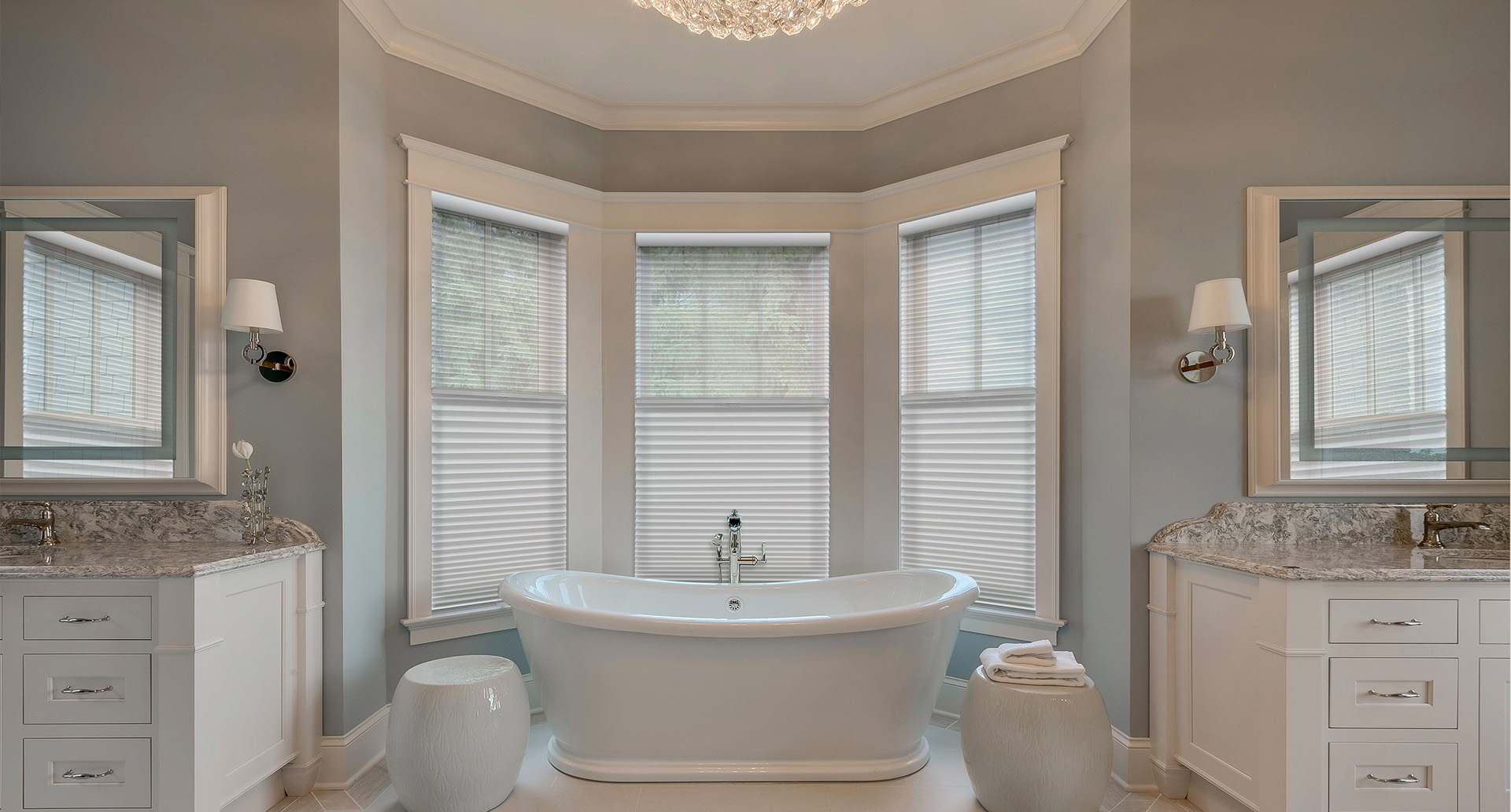
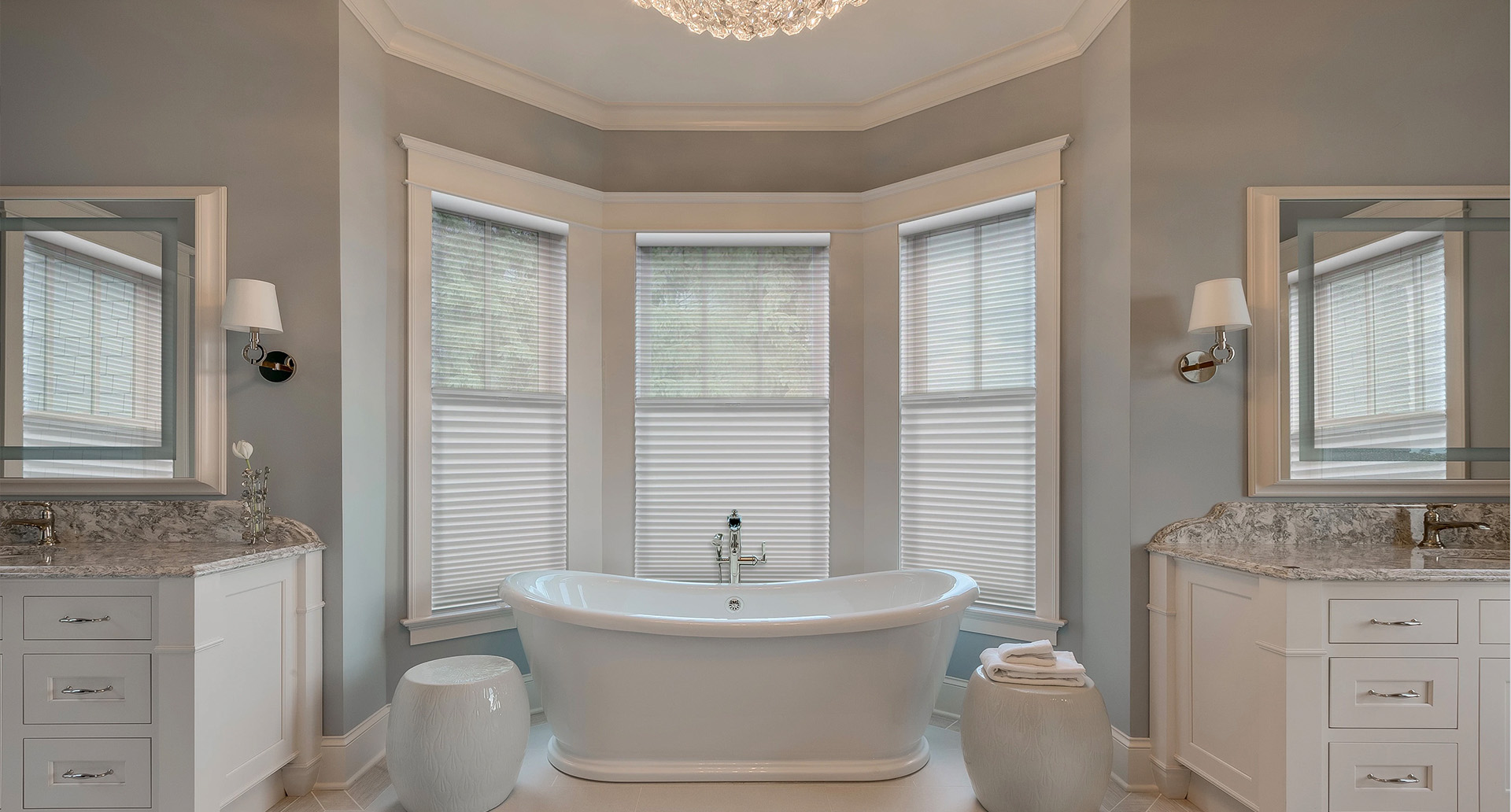
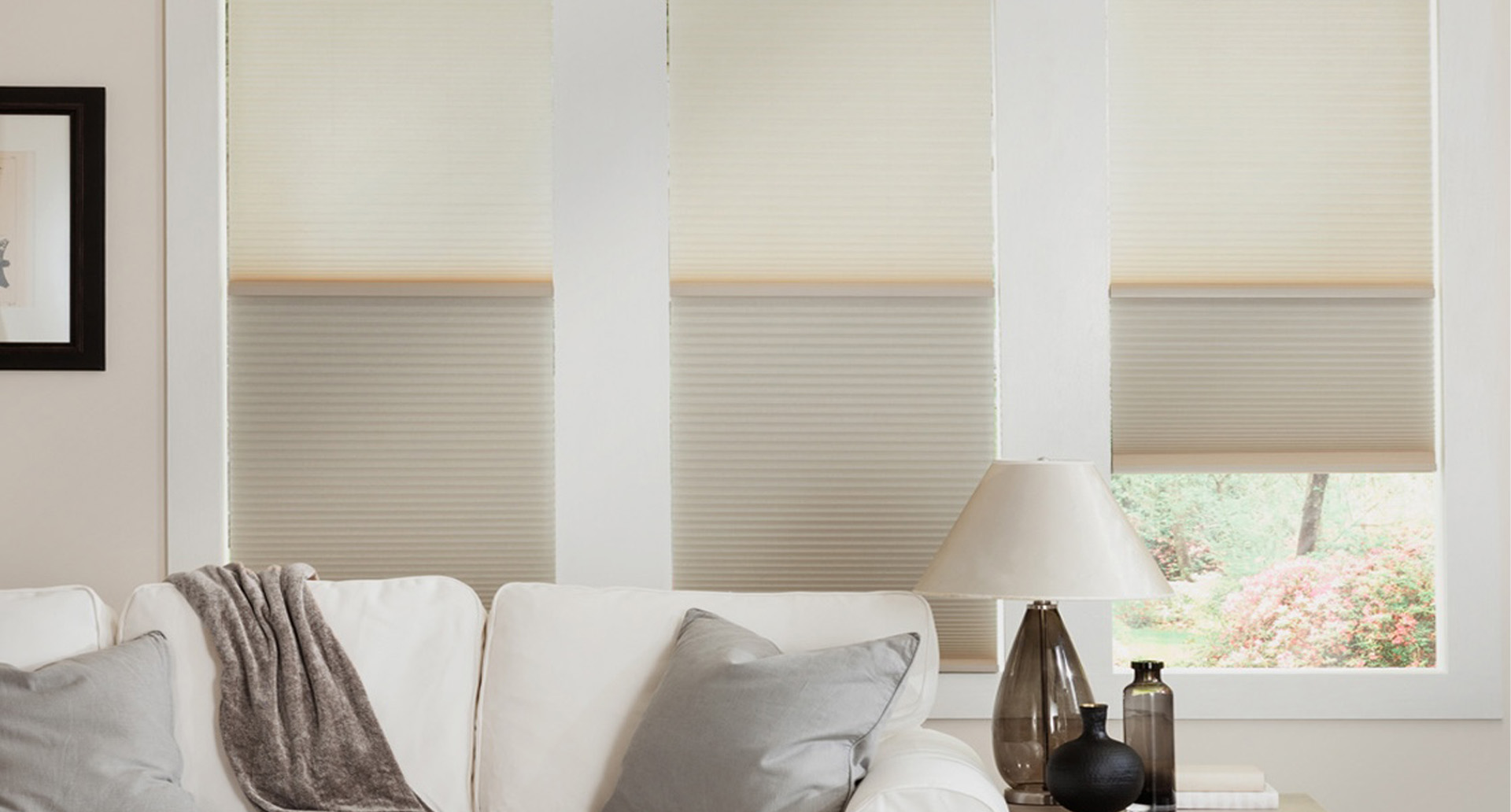
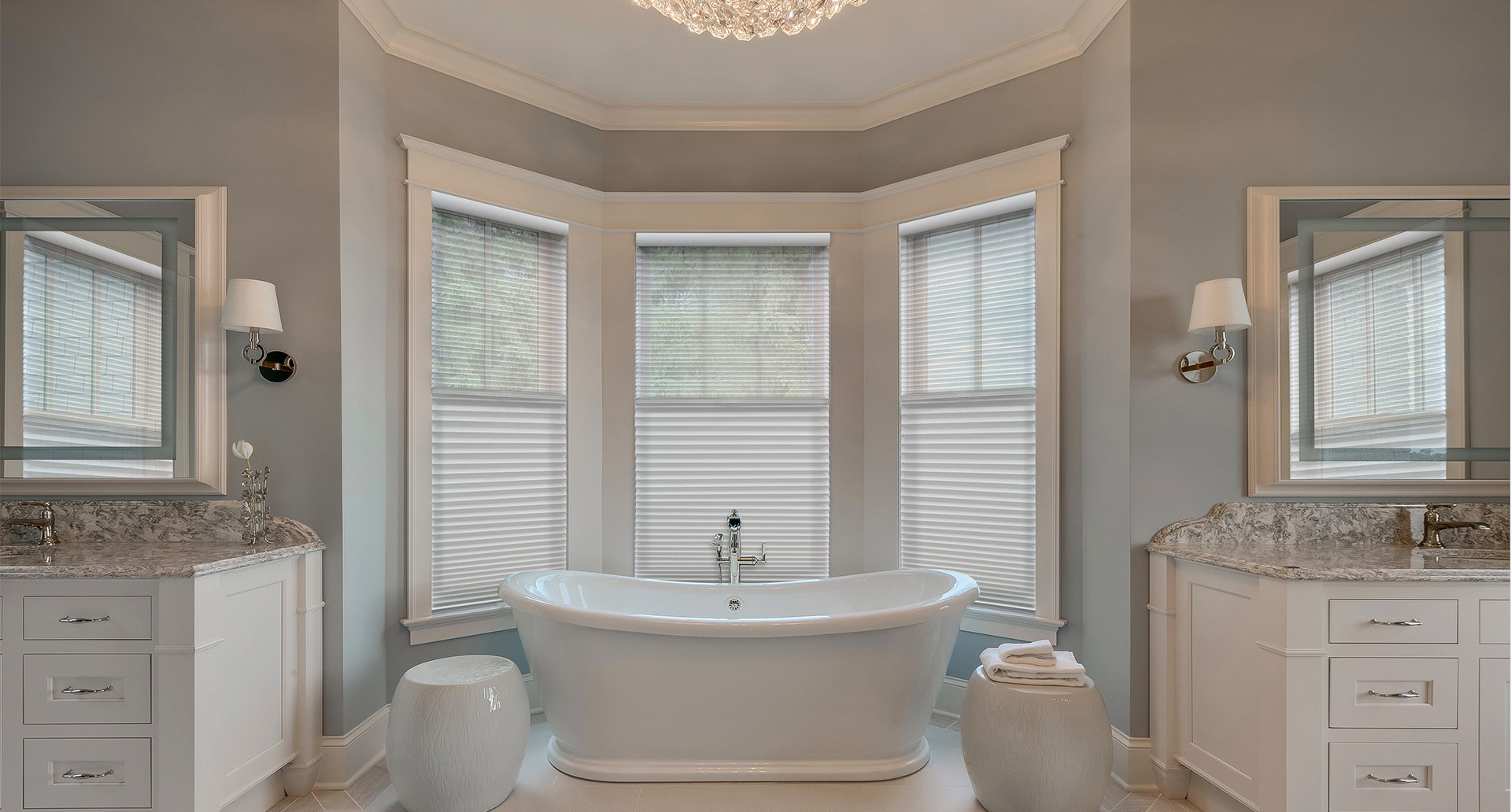
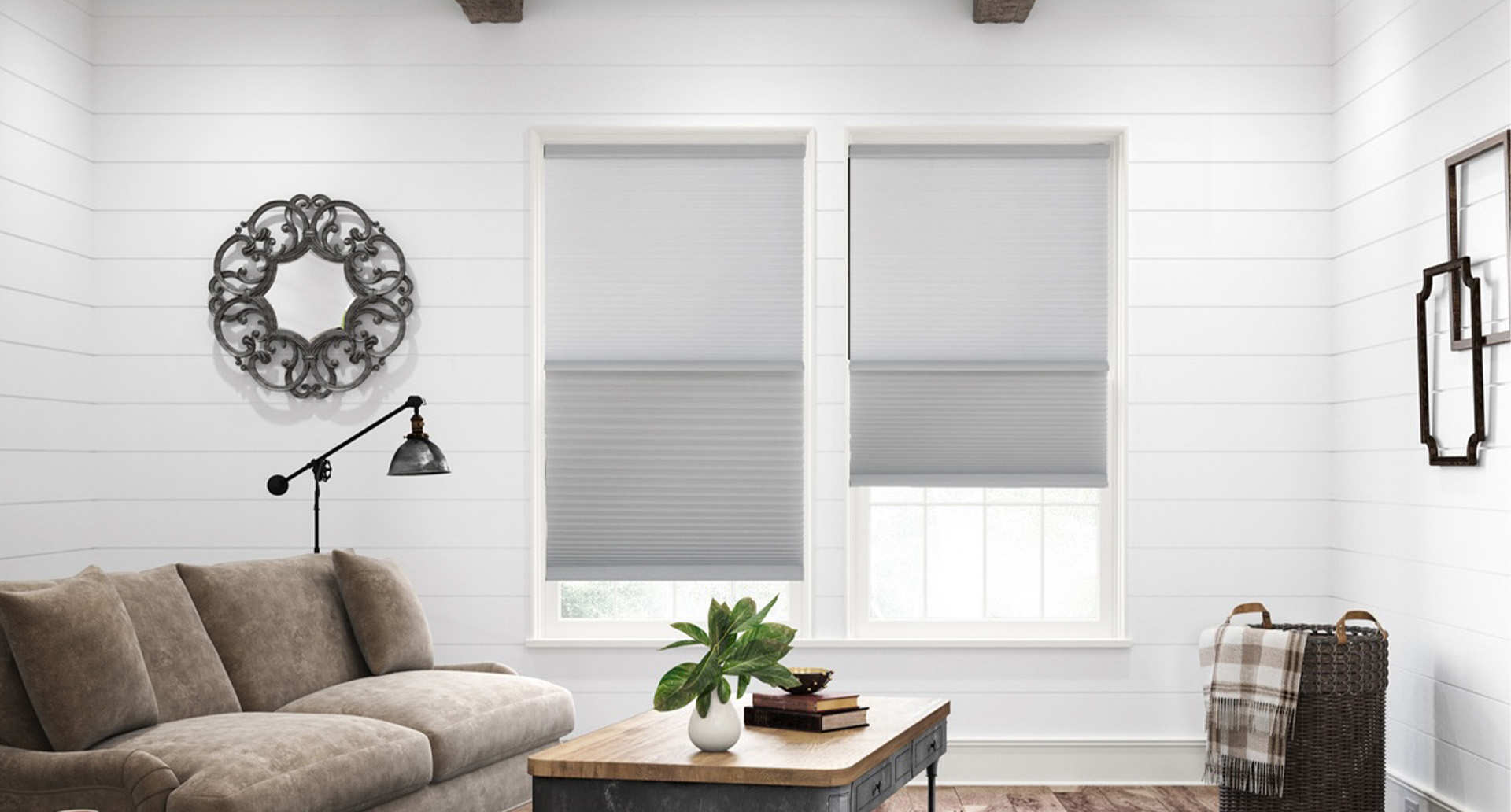
Our Day Night Shade Resource Center brings together practical buying guides, product comparisons, fabric advice, room recommendations, measuring information, and installation tips. These resources will help you understand how day night shades work, which product styles are available, and whether a dual-fabric treatment is the best solution for your windows.
When you are ready to compare products, explore our complete selection of custom window shades, including cellular, roller, Roman, and layered shade styles with different privacy and light-control options. Shop Day/Night Window Shades.
New to Day Night Shades? Start Here
Begin with our introductory guides to learn how day night shades combine two fabrics within one window covering. Most designs include a light-filtering section for daytime use and an opaque, room-darkening, or blackout section for stronger nighttime coverage.
The fabrics may be connected within one continuous shade or arranged as two separate shades sharing a headrail. The operating method varies by product, so it is important to understand how the selected system transitions between the two materials.
These introductory resources also explain the differences between day night shades, zebra shades, dual roller shades, and Top Down Bottom Up shades.
What Are Day Night Shades?
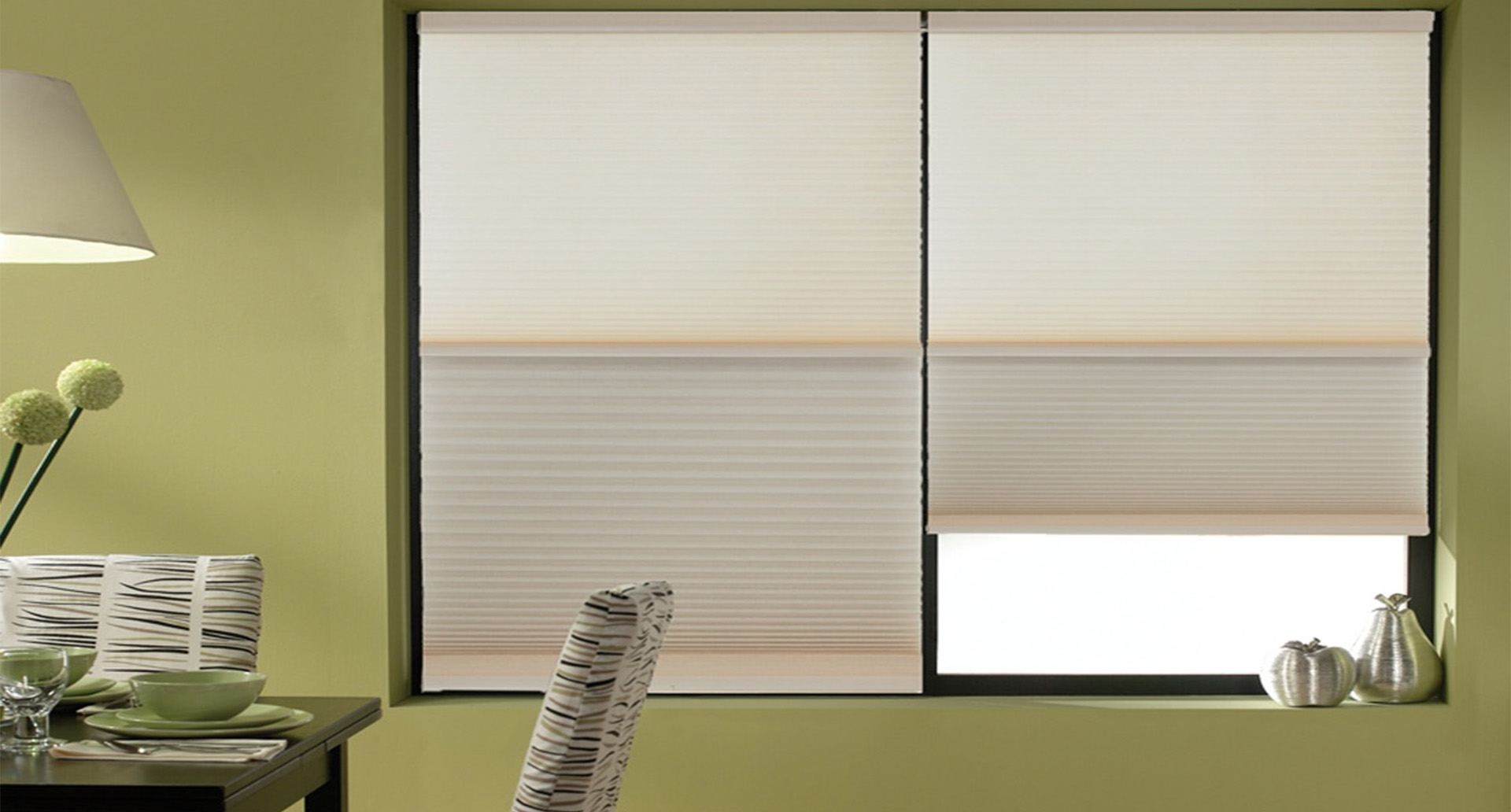
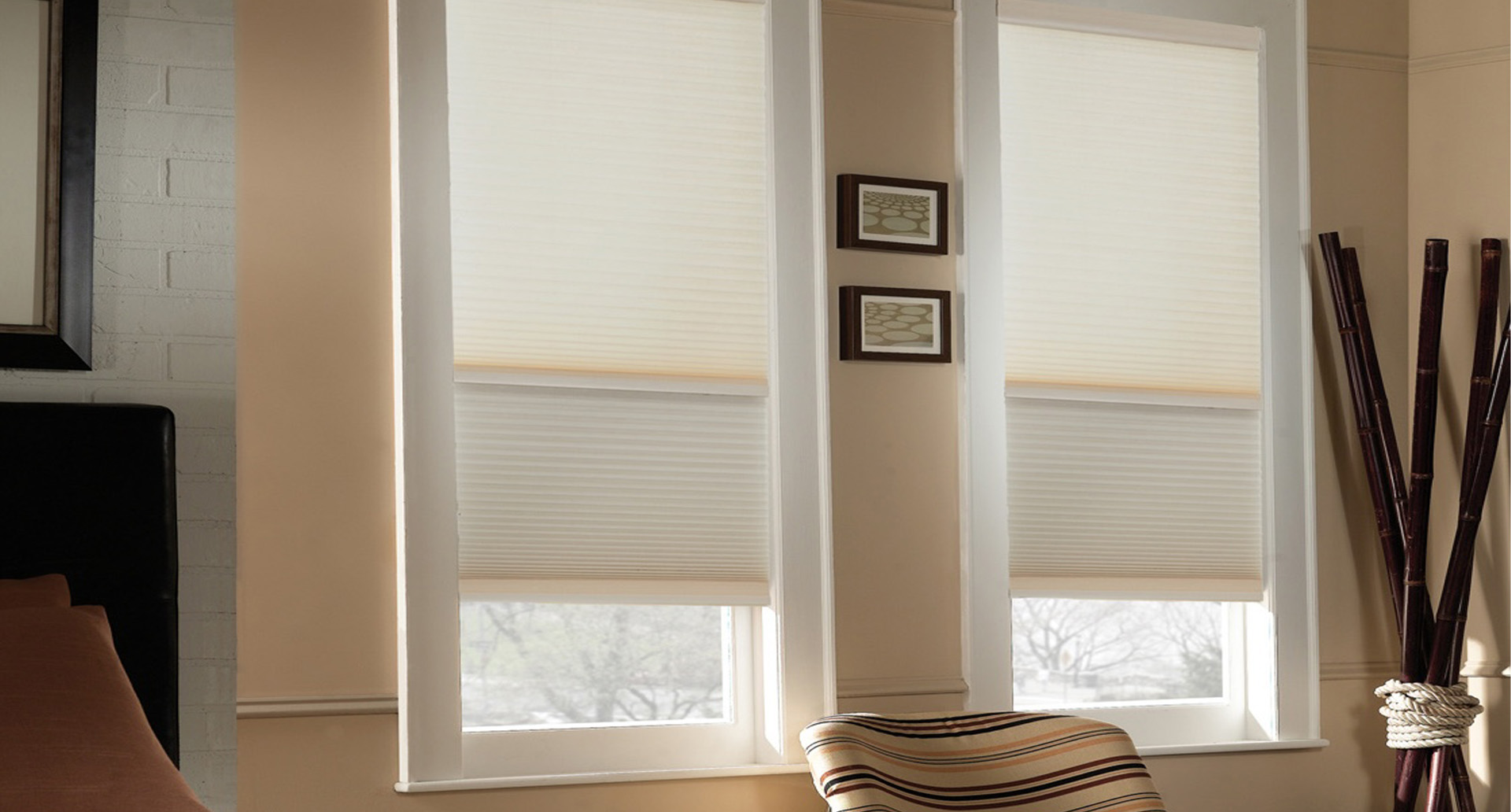
Day night shades are window treatments that provide two different fabric choices within one coordinated system. The lighter section allows softened daylight into the room, while the darker section provides stronger privacy and light control.
A common configuration uses a light-filtering cellular fabric paired with a blackout cellular fabric. Other products may combine two roller shade materials, such as a solar screen fabric and an opaque room-darkening fabric.
Depending on the product, the two fabrics may meet at a movable center rail, operate independently, or roll onto separate tubes within a shared headrail. Product terminology and construction vary by manufacturer, so review the exact design before ordering.
How Do Day Night Shades Work?
Day night shades allow the user to position either fabric over the window based on the desired level of light and privacy. With a cellular day night shade, moving the intermediate rail changes how much of the light-filtering or blackout material covers the window.
Dual roller systems may use two independently operated shades mounted on separate rollers. One fabric can be raised while the other is lowered, allowing the user to alternate between solar control, light filtering, room darkening, and privacy.
Operation may be cordless, continuous loop, wand controlled, or motorized. Exact control options depend on the product, size, fabric weight, and manufacturer.
Benefits of Day Night Shades
The main benefit of day night shades is flexibility. Instead of choosing one fabric opacity for all conditions, homeowners can adjust the window treatment as lighting and privacy needs change.
Common advantages include:
- Two levels of light control in one coordinated treatment
- Softened natural light during the day
- Stronger privacy in the evening
- Room-darkening or blackout options for sleeping
- Reduced need to layer separate window treatments
- A cleaner appearance than installing two unrelated products
- Available cordless and motorized options on selected products
Day night shades are especially useful in rooms that need natural light during daytime hours but stronger privacy or darkness after sunset.
Daytime Light Filtering
The daytime section of a day night shade usually uses a light-filtering, sheer, or solar screen fabric. This material softens direct sunlight, reduces harsh brightness, and allows the room to remain naturally illuminated.
Light-filtering fabric does not necessarily provide complete privacy. Visibility depends on the material, color, weave, interior lighting, and outside conditions. Some fabrics provide good daytime coverage but may reveal silhouettes or interior details after dark.
For rooms where nighttime privacy is important, transition to the opaque or blackout section before interior lights are turned on.
Nighttime Privacy and Room Darkening
The night section of the shade is generally made from an opaque, room-darkening, or blackout material. When this section covers the window, it can provide stronger privacy and reduce incoming exterior light.
Room-darkening fabric substantially reduces light but may not block as much as blackout material. Blackout fabric is designed to prevent light from passing through the material itself, although small amounts of light may still enter around the edges of the shade.
Visit our Privacy and Light Control Resource Center for more information about daytime privacy, nighttime privacy, room darkening, blackout fabrics, and light gaps.
Light-Filtering vs Blackout Day Night Shades
Many day night cellular shades pair a translucent light-filtering fabric with a blackout fabric. This combination provides one of the broadest ranges of light control available within a single shade.
During the day, the light-filtering section can cover the window to diffuse sunlight and preserve a bright interior. At night or during sleep, the blackout section can be positioned over the glass for stronger privacy and darkness.
A blackout fabric does not guarantee that the entire room will be completely dark. Inside-mounted shades require operating clearance along the sides, and light may enter around the headrail, bottom rail, or center rail depending on the design.
Day Night Cellular Shades
Cellular day night shades combine two honeycomb fabrics within one continuous treatment. A movable center rail separates the fabrics, allowing the user to choose how much of each material covers the window.
The honeycomb construction creates air pockets that may add insulation at the window. Light-filtering fabric can provide softened daylight, while blackout cellular fabric offers stronger privacy and light reduction.
Day night cellular shades are popular in bedrooms, nurseries, living rooms, home offices, and other areas where insulation and flexible light control are both important.
Explore our Honeycomb Cellular Shade Resource Center or browse custom cellular shades to learn more about cell sizes, fabrics, insulation, and operating systems.
Dual Roller Day Night Shades
Dual roller shades place two separate shade materials within one coordinated system. A common configuration combines a solar screen or light-filtering roller shade with a room-darkening or blackout roller shade.
The solar or light-filtering shade can be used during the day to control glare and sunlight, while the opaque shade provides nighttime privacy or stronger room darkening. Each shade may operate independently using manual or motorized controls.
Dual roller systems require more headrail and mounting space than a single roller shade. Before ordering, confirm that the window has adequate depth and clearance for both rollers.
Browse custom roller shades and solar screen shades to compare available fabric types.
Day Night Shades vs Zebra Shades
Day night shades and zebra shades both provide adjustable light control, but they operate differently. A day night shade generally combines two distinct fabrics or two separate shades. Zebra shades use alternating sheer and opaque horizontal bands within one continuous loop of fabric.
Zebra shades adjust by aligning the fabric bands for greater visibility or overlapping the opaque sections for increased privacy. Day night shades allow the user to choose between larger areas of light-filtering and room-darkening material.
A day night shade may provide stronger blackout options, while a zebra shade offers more gradual adjustment and a distinctive layered appearance.
Explore our Zebra Shade Resource Center or browse custom zebra shades for additional comparisons.
Day Night Shades vs Top Down Bottom Up Shades
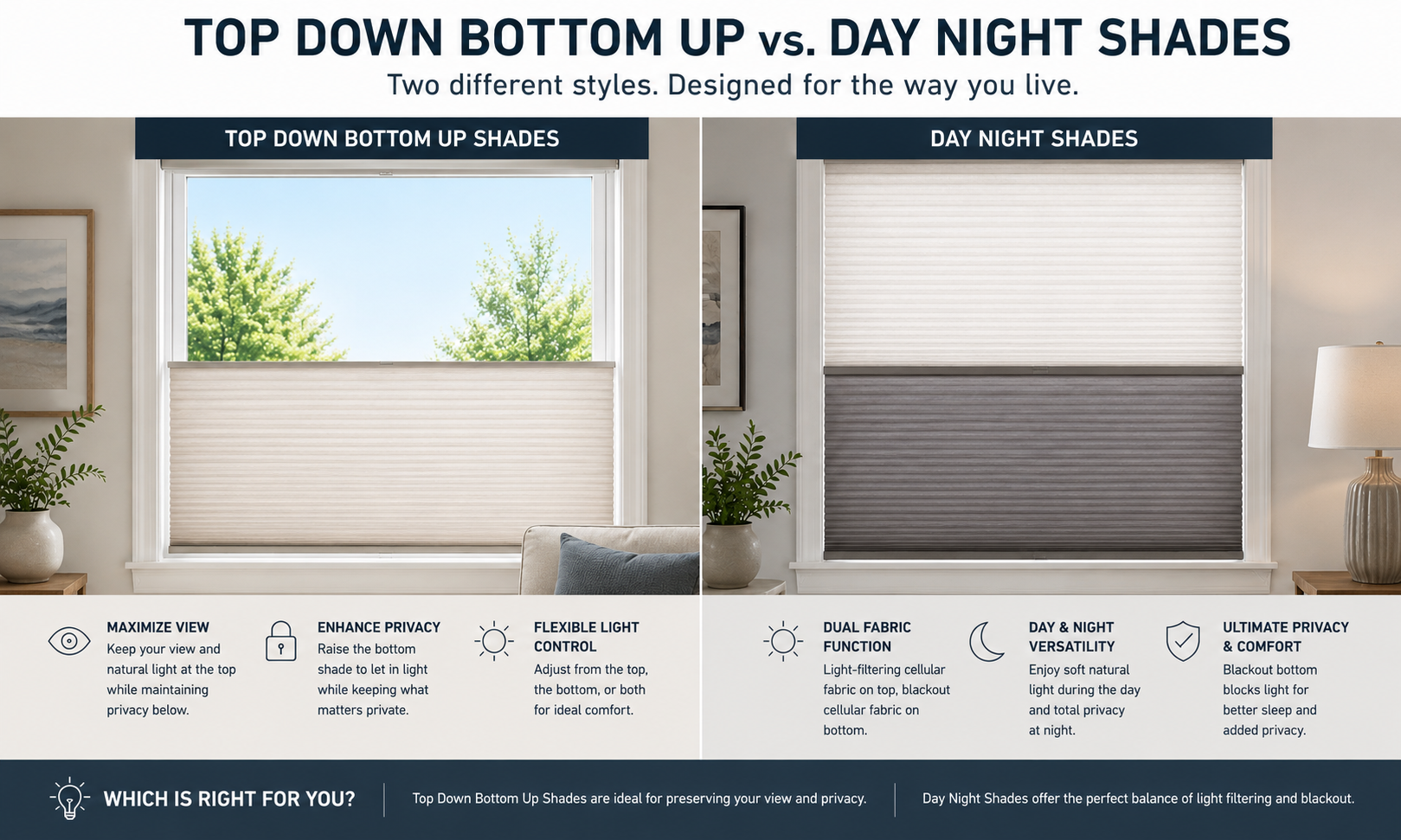
Day night shades change the type of fabric covering the window, while Top Down Bottom Up shades change which portion of the window is covered. These are separate features, although selected products may combine aspects of both.
Top Down Bottom Up shades are useful when you want privacy at the lower portion of the window while allowing light from above. Day night shades are better suited for homeowners who want to switch between two fabric opacities.
Visit our Top Down Bottom Up Shade Resource Center to compare operating styles and privacy benefits.
Day Night Shades vs Layered Window Treatments
A day night shade combines two fabrics within one coordinated system. Layered window treatments use two separate product types, such as a roller shade paired with drapery or a blind installed behind curtains.
Day night shades provide a cleaner, more compact appearance and may require less mounting space than some layered combinations. Separate treatments can provide greater design flexibility and may cover edge gaps more effectively.
The best approach depends on the window depth, desired appearance, privacy requirements, room-darkening goals, and available mounting space.
- Top Down Bottom Up vs Day Night Shades
- Day/Night Shades vs. Other Window Treatments: A Comprehensive Comparison
Best Rooms for Day Night Shades
Day night shades are particularly useful in rooms where light and privacy needs change significantly between daytime and nighttime.
Common applications include:
- Bedrooms that need daylight during the day and darkness at night
- Nurseries where light control changes between playtime and naps
- Living rooms that benefit from softened daylight and evening privacy
- Home offices where glare control is needed during working hours
- Guest rooms used for both daytime activities and sleeping
- Media rooms that need flexible glare and room-darkening control
- Street-facing rooms where privacy changes throughout the day
They may provide less value in rooms where the same fabric opacity is used almost all the time.
Day Night Shades for Bedrooms
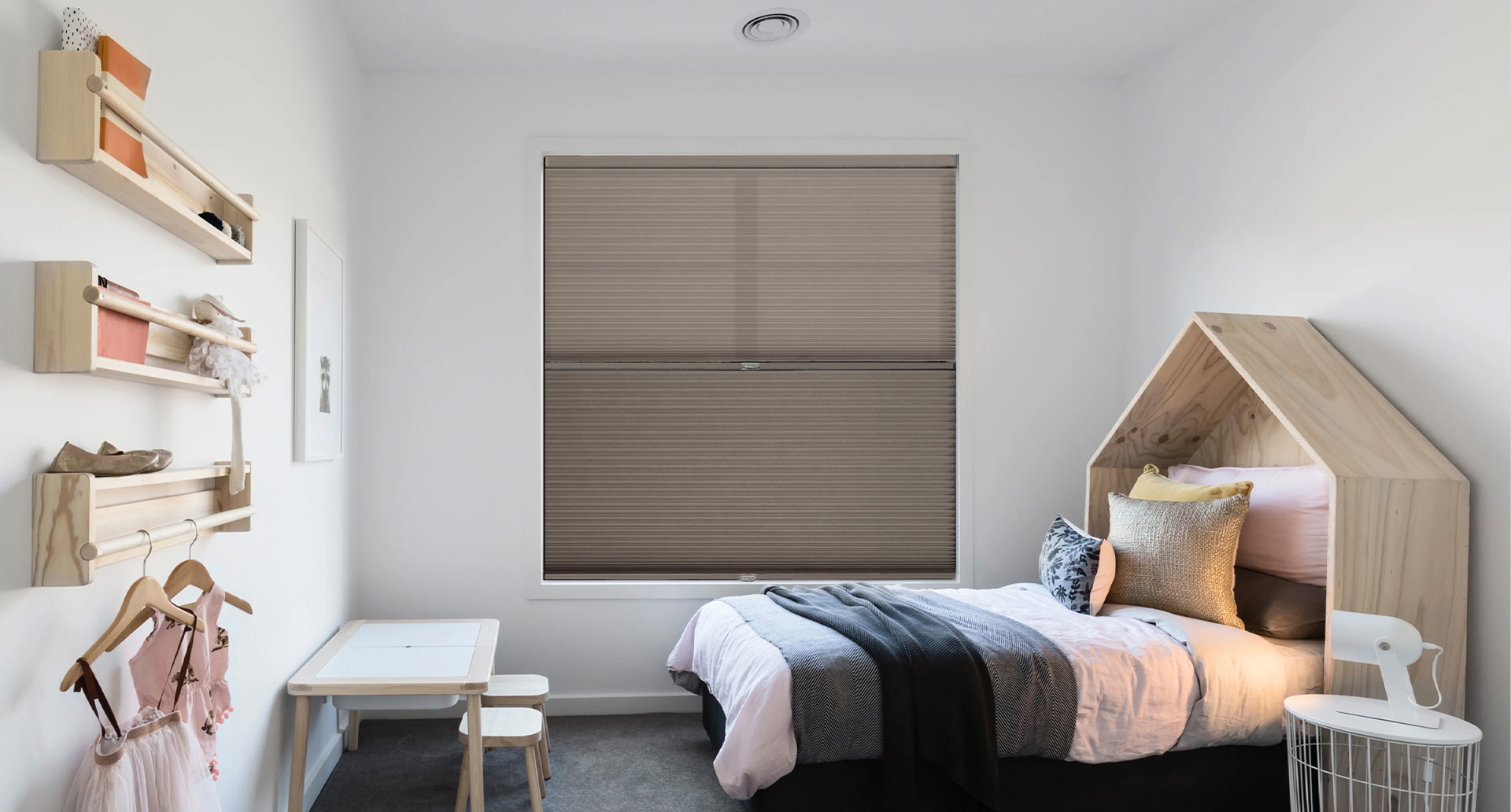
Bedrooms are one of the strongest applications for day night shades. The light-filtering section can brighten the room during the day, while the room-darkening or blackout section provides nighttime privacy and helps create a darker sleep environment.
For the strongest room darkening, consider an outside mount, generous overlap, side channels where available, or decorative drapery to cover light entering around the edges.
Cordless and motorized operation may improve convenience, especially on wide windows or windows located behind furniture.
Day Night Shades for Nurseries
Nurseries often require flexible light control because the room may be used for play during the day and naps at different times. A day night shade makes it possible to soften daylight when the room is active and switch to stronger room darkening when the child is sleeping.
Cordless or motorized operation is generally preferred in rooms used by young children. Keep cribs, changing tables, chairs, and other furniture away from windows and window treatment hardware.
Visit our Cordless Blinds and Shades Resource Center for more guidance about operating systems and window covering safety.
Day Night Shades for Living Rooms
Living rooms often benefit from daylight without harsh glare. The light-filtering or solar section can reduce brightness while preserving a comfortable daytime atmosphere, and the opaque section can provide stronger evening privacy.
Consider television placement, window direction, nearby sidewalks, neighboring homes, and the desired outdoor view when selecting fabrics. A solar screen fabric may be preferred when glare reduction and daytime view-through are important.
Day Night Shades for Home Offices
Home offices may require glare reduction during working hours and privacy after dark. A solar or light-filtering daytime fabric can make computer screens easier to view while allowing natural light into the room.
The opaque nighttime section can be lowered when interior lights are on or when stronger light control is needed for video calls, presentations, or screen-based work.
Day Night Shades for Media Rooms
Media rooms require different levels of light control depending on how the space is being used. The light-filtering section can reduce glare during casual daytime use, while the blackout or room-darkening section provides stronger control for movies, gaming, and projected images.
If creating a very dark room is important, pay close attention to mounting style and side gaps. The fabric may be blackout even when light remains visible around the treatment.
Day Night Shades for Street-Facing Windows
Street-facing rooms often need daytime coverage and dependable nighttime privacy. A light-filtering shade can soften views into the room during daylight, while the opaque section can be used after sunset.
Evaluate the actual outside viewing angles before ordering. Elevated sidewalks, neighboring balconies, sloped streets, and nearby buildings may affect how much privacy each fabric provides.
Daytime vs Nighttime Privacy
Privacy can change when lighting conditions reverse. A fabric that limits outside visibility during daylight may become easier to see through at night when interior lights are brighter than the exterior.
For dependable nighttime privacy, use the opaque, room-darkening, or blackout section of the day night shade. Do not assume that a sheer, solar, or light-filtering fabric will provide the same privacy after dark.
Choosing Day Night Shade Fabrics
The two fabrics should complement each other in appearance and performance. Consider how each material will look from inside the room, from outside the home, and under different lighting conditions.
When choosing fabrics, evaluate:
- Daytime brightness and glare control
- Daytime and nighttime privacy
- Room-darkening or blackout needs
- Fabric color and interior design
- Outdoor visibility
- UV protection
- Energy efficiency
- Exterior appearance
- Cleaning requirements
Fabric samples are especially helpful because screen displays cannot accurately represent every color, texture, opacity, or lighting condition.
Light Colors vs Dark Colors
Lighter fabrics generally create a brighter appearance and may reflect more sunlight, while darker fabrics often provide stronger glare control and clearer daytime views when used in solar screen materials.
Color alone does not determine privacy or room darkening. Fabric construction, openness, backing, opacity, and weave are equally important.
Consider how the selected colors coordinate when the center rail transitions between the two fabrics.
Energy Efficiency and Insulation
Cellular day night shades can provide insulating air pockets regardless of which fabric section is covering the window. Performance varies by cell construction, fabric, fit, installation, and window type.
A solar or reflective daytime fabric may help reduce glare and heat from direct sunlight, while a blackout or cellular nighttime section may provide additional coverage during colder hours.
Visit our Energy-Efficient Window Treatment Resource Center for guidance about insulation, solar heat gain, window orientation, and seasonal operation.
Cordless Day Night Shades
Selected cellular day night shades are available with cordless operation. The user moves the bottom or intermediate rail by hand to position the fabrics.
Cordless controls provide a clean appearance and eliminate traditional hanging lift cords, but the operating rails must remain within reach. The product may not be convenient on tall windows or behind furniture.
Size and fabric limitations vary, so confirm cordless availability for the exact dimensions being ordered.
Motorized Day Night Shades
Motorization may be available on selected dual roller and specialty day night shade systems. Because two fabrics or two rollers may need to be controlled, these systems can be more complex than standard motorized shades.
Some products allow each fabric to operate independently, while others use coordinated positioning. Confirm the exact control capability, power source, remote options, and shade-grouping features before ordering.
Visit our Motorized Window Treatment Resource Center for information about batteries, hardwiring, remotes, charging, and installation.
Smart Home Integration
Selected motorized day night shades may support compatible apps, hubs, schedules, scenes, or voice assistants. Compatibility depends on the product, motors, bridge, control accessories, and smart home platform.
A dual shade system may require separate controls for each fabric. Confirm whether the selected smart system can operate both shades individually and together.
Explore our Smart Home Window Treatment Resource Center for information about connected controls, compatibility, schedules, and automation.
Inside Mount vs Outside Mount
Inside-mounted day night shades fit within the window opening and provide a clean appearance. They require adequate depth for the headrail, rollers, center rails, and operating hardware.
Dual roller systems may require more mounting depth than single shades. An outside mount may be necessary when the window opening is too shallow or when additional overlap is desired for privacy and room darkening.
Outside-mounted shades can cover more of the window opening, but adequate flat mounting space must be available above or around the trim.
Light Gaps and Blackout Performance
Blackout material blocks light through the fabric, but most day night shades require operating clearances along the sides. Dual roller shades may also have gaps between the fabric and the mounting surface.
An outside mount with generous overlap can reduce side light. Drapery, side channels, or other light-blocking accessories may further improve room darkening when compatible with the product.
No standard shade installation should be assumed to create complete darkness in every room.
How to Measure for Day Night Shades
Accurate measurements are important because day night shades may include additional rails, fabrics, or rollers. Measure every window individually and follow the instructions for the exact product.
For an inside mount, measure the width at the top, middle, and bottom of the opening. Measure the height in several locations and confirm that the window provides the required mounting depth.
For an outside mount, determine the desired overlap on each side and verify that brackets can be installed on a flat, secure surface. Check for trim, handles, locks, tile, and other obstructions.
Installation Considerations
Day night shade headrails may be larger or heavier than those used for a single-fabric treatment. Use appropriate fasteners for the mounting surface and make sure all brackets are level.
Cellular systems should move evenly without the rails rubbing against the window frame. Dual roller shades require adequate clearance so both fabrics can travel freely without contacting handles or one another.
Motorized and hardwired systems may require additional planning for battery access, charging, outlets, or electrical wiring.
Cleaning and Maintenance
Cleaning methods depend on the fabrics and product construction. Cellular fabrics may be lightly dusted or vacuumed with a low-suction brush attachment, while roller materials may require dusting or approved spot cleaning.
Treat each fabric according to its individual care instructions. A solar screen fabric may tolerate different cleaning methods than a blackout cellular or roller material.
Avoid allowing moisture or cleaning solution to enter the headrail, roller tubes, motors, or internal mechanisms.
Potential Drawbacks of Day Night Shades
Day night shades offer excellent flexibility, but they are not the best solution for every window. Potential drawbacks include:
- Higher cost than a standard single-fabric shade
- Larger headrails or greater mounting-depth requirements
- Additional rails, rollers, or mechanical components
- More complex measuring and installation
- Limited availability at very large sizes
- Possible light gaps around blackout fabric
- More fabrics and components to clean
- Motorized dual systems may require additional controls
Consider how often you will use both fabrics and whether the added versatility justifies the cost and complexity.
Are Day Night Shades Worth It?
Day night shades are often worth the investment in rooms that regularly need both natural daylight and stronger nighttime privacy or darkness. They can replace the need for two separately installed treatments and provide a coordinated appearance.
They may offer less value in rooms where one fabric would remain in use most of the time. A standard light-filtering, solar, or blackout shade may be simpler and more affordable when privacy and lighting needs rarely change.
How to Choose Day Night Shades
Before ordering, evaluate the room, window size, mounting depth, fabric requirements, operating system, and how frequently each fabric will be used.
Use these questions to guide your decision:
- Do you need separate daytime and nighttime privacy levels?
- Should the daytime fabric preserve the outdoor view?
- Is room darkening or blackout required?
- Would cellular or dual roller construction work better?
- Does the window have enough depth for the selected system?
- Can all manual rails and controls be reached?
- Would cordless or motorized operation be more practical?
- How important are insulation and energy efficiency?
- Will light gaps around the shade be acceptable?
- Are both fabrics available in coordinating colors?
- Where to Buy Day/Night Shades: Finding the Best Options for Your Home or RV
- How to Choose the Right Day/Night Shades for Your Space
Related Day Night Shade Resources
Continue exploring these resources to compare fabrics, operating systems, privacy options, and related window treatment styles.
- Privacy and Light Control Resource Center
- Honeycomb Cellular Shade Resource Center
- Roller Shade Resource Center
- Solar Screen Shade Resource Center
- Zebra Shade Resource Center
- Top Down Bottom Up Shade Resource Center
- Cordless Blinds and Shades Resource Center
- Motorized Window Treatment Resource Center
- Smart Home Window Treatment Resource Center
- Energy-Efficient Window Treatment Resource Center
- Window Shade Resource Center
- Shop Custom Window Shades
Day Night Shade FAQs
What are day night shades?
Day night shades combine two different fabrics or shade layers within one coordinated window treatment. A light-filtering, sheer, or solar material is used during the day, while an opaque, room-darkening, or blackout material provides stronger nighttime privacy and light control.
How do day night shades work?
The user positions either the lighter or darker fabric over the window. Cellular versions may use a movable center rail, while dual roller systems use two independently operated shades mounted within one coordinated headrail.
What is the difference between day night shades and zebra shades?
Day night shades generally use two distinct fabrics or separate shades. Zebra shades use alternating sheer and opaque horizontal bands within one continuous loop of fabric. Day night shades may offer stronger blackout options, while zebra shades provide gradual light adjustment.
Do day night shades provide nighttime privacy?
Yes, when the opaque, room-darkening, or blackout fabric covers the window. The light-filtering or solar section may not provide dependable nighttime privacy when interior lights are on.
Can day night shades block all light?
Blackout day night shades block light through the blackout fabric, but light may still enter around the edges, rails, or mounting hardware. Outside mounts, overlap, drapery, or compatible side channels may improve room darkening.
Are day night shades good for bedrooms?
Yes. The light-filtering section can brighten the bedroom during the day, while the room-darkening or blackout section provides stronger privacy and light control for sleeping.
Are day night shades good for nurseries?
Day night shades can provide soft daylight during playtime and stronger room darkening for naps. Cordless or motorized operation is generally preferred in rooms used by young children.
Are day night shades energy efficient?
Cellular day night shades contain insulating air pockets that may improve comfort at the window. Solar or reflective daytime fabrics may also help manage glare and heat. Performance depends on construction, fabric, fit, window type, and installation.
Can day night shades be cordless?
Selected cellular and specialty day night shades are available with cordless operation. Availability depends on the product, dimensions, fabric, weight, and manufacturer.
Can day night shades be motorized?
Some dual roller and specialty day night shades offer motorized operation. Confirm whether each fabric can be operated independently and which batteries, wiring, remotes, or control accessories are required.
Do day night shades require more mounting depth?
Some day night shades, particularly dual roller systems, require more mounting depth than standard single-fabric shades. Review the product’s minimum depth and fully recessed depth requirements before ordering an inside mount.
Are day night shades worth the cost?
They are often worth the additional cost in rooms that regularly need both daytime light filtering and stronger nighttime privacy or room darkening. A standard single-fabric shade may be more economical when lighting needs rarely change.
Find the Right Day Night Shades for Your Home
Day night shades provide a versatile way to manage changing privacy and light-control needs without installing two unrelated window treatments. They are especially useful in bedrooms, nurseries, living rooms, offices, guest rooms, and street-facing spaces where daytime and nighttime conditions require different solutions.
Compare cellular and dual roller designs, fabric opacity, mounting depth, room-darkening performance, operating systems, and product size limits before ordering. Request samples whenever possible so you can evaluate both fabrics under the actual lighting conditions in your home.