




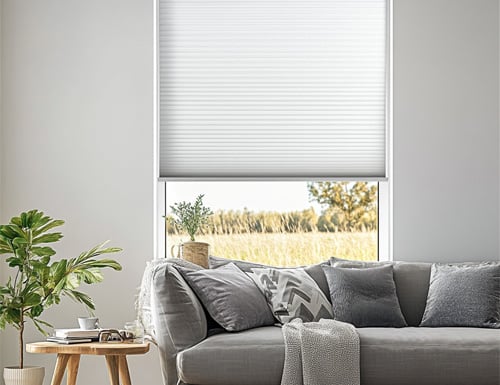
Energy Smart Honeycomb Shades

 (
(
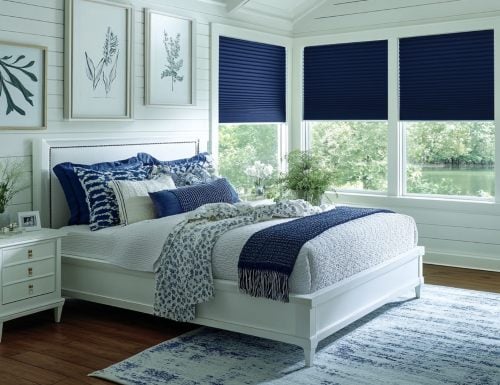
 (
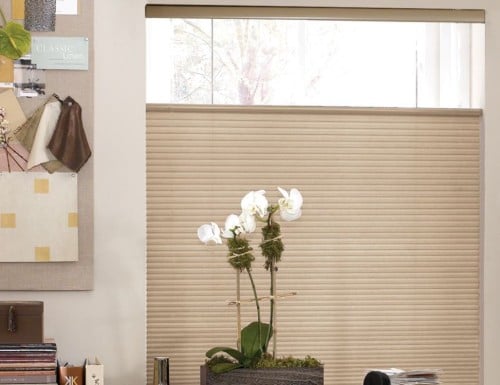
(
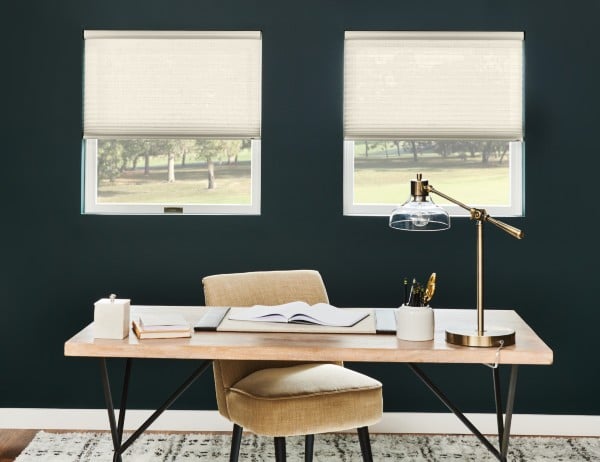
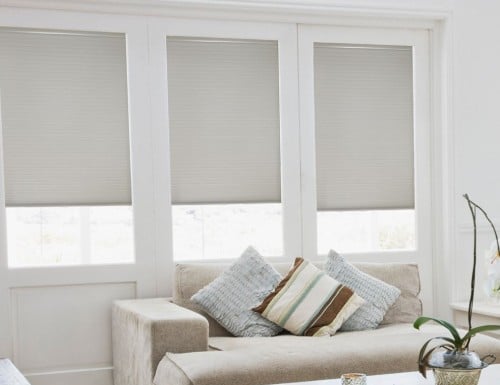
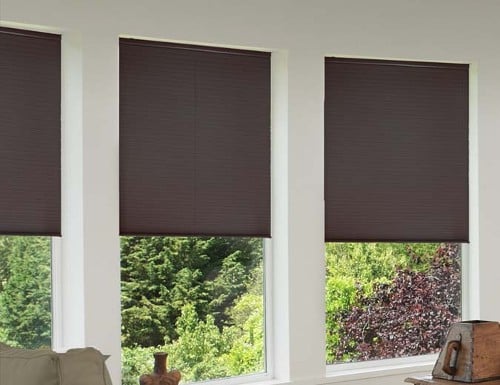
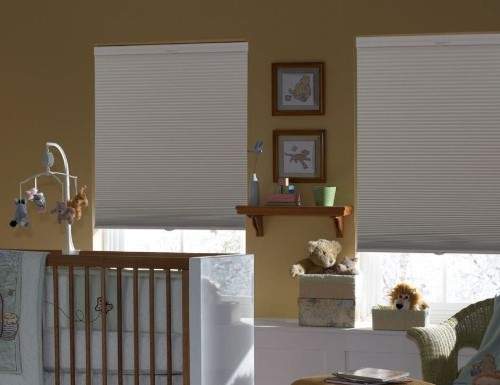
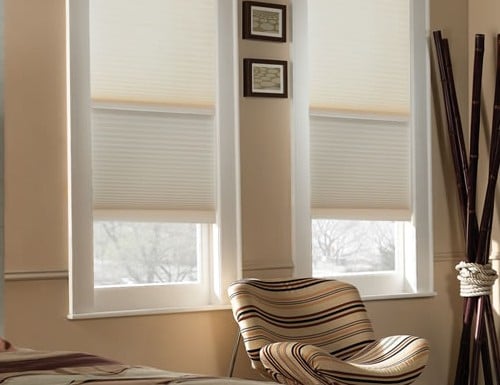
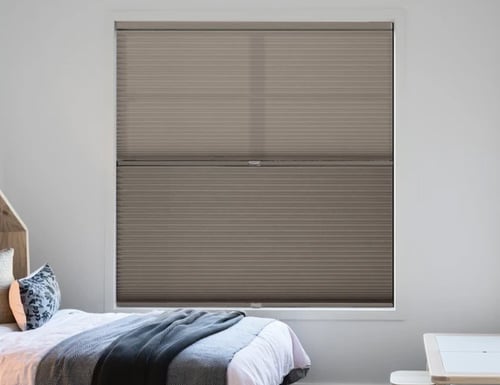
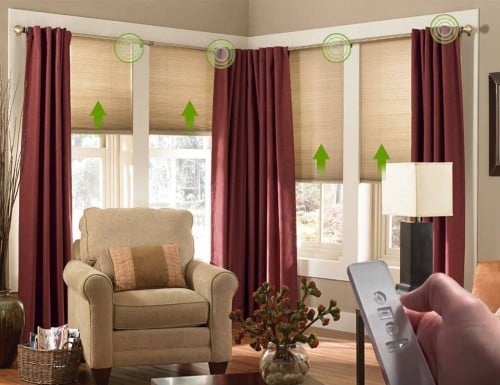
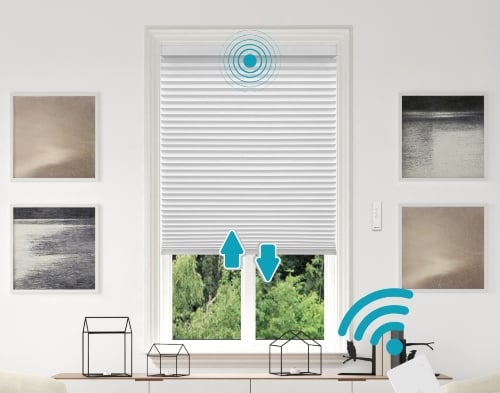
 (
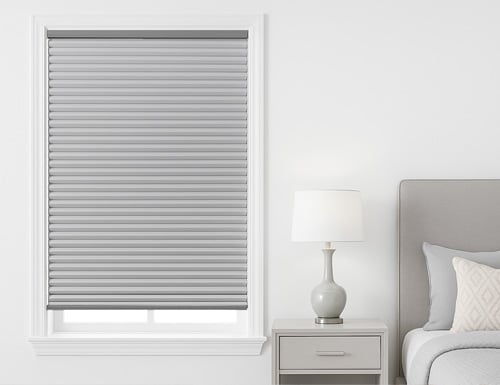
(
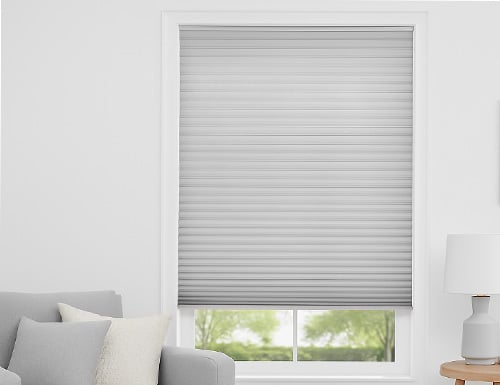
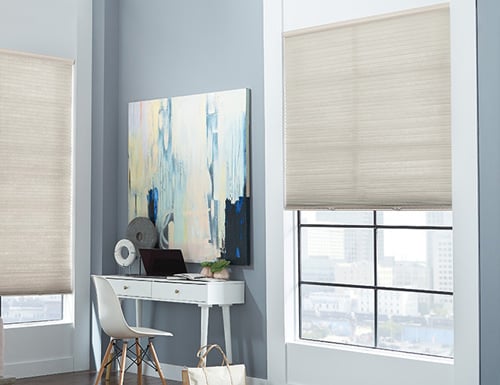
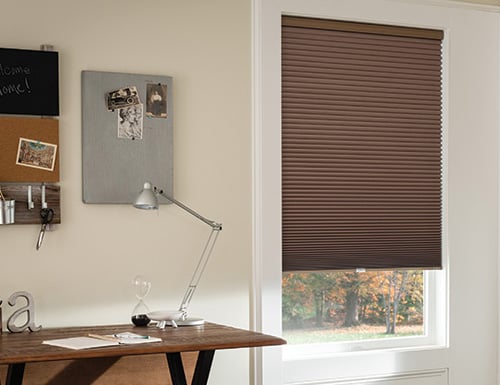
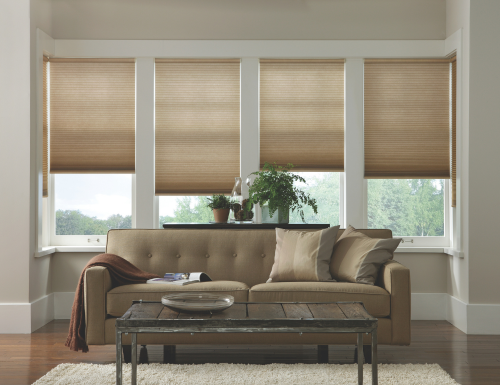
Energy Smart Fusion Shades
Energy Saving Solar Screen Shades


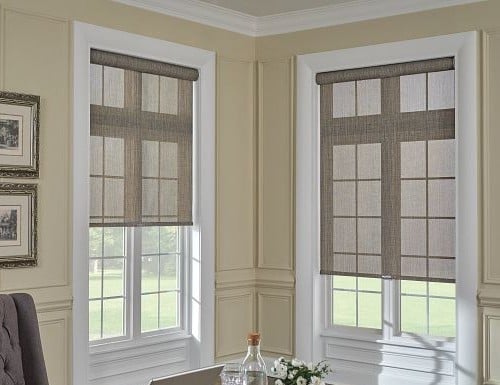
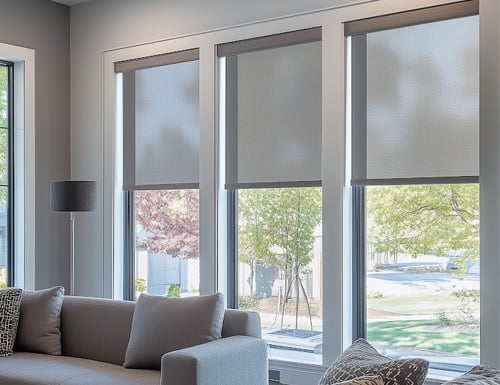
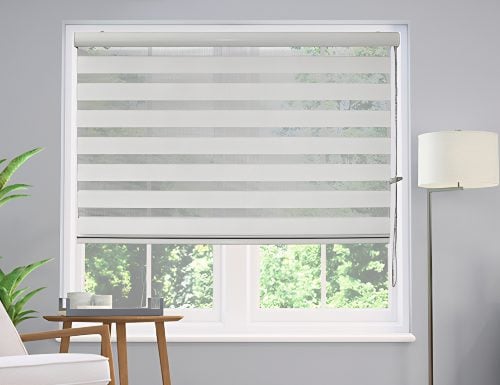
What Are Energy Shades?
“Energy shades” are window treatments designed to reduce heat transfer. They do this by trapping air (insulation), blocking or reflecting solar radiation, and improving edge coverage around the window. The result: rooms stay more comfortable with less reliance on heating and cooling and lower energy costs.
Top performing energy efficient window treatments typically use insulating air pockets (like cellular honeycomb) or denser/light-blocking fabrics that cut drafts and glare. Mount type, fabric opacity, and liners all influence results.
Top Energy Shades
Honeycomb / Cellular Shades (Best Overall)
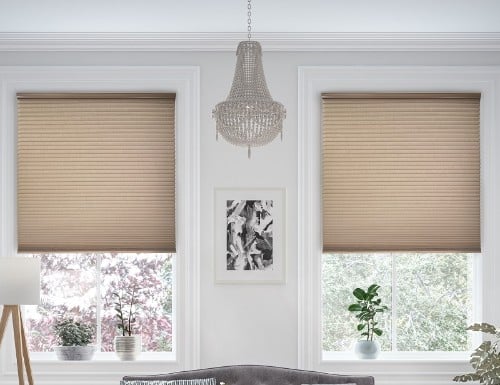
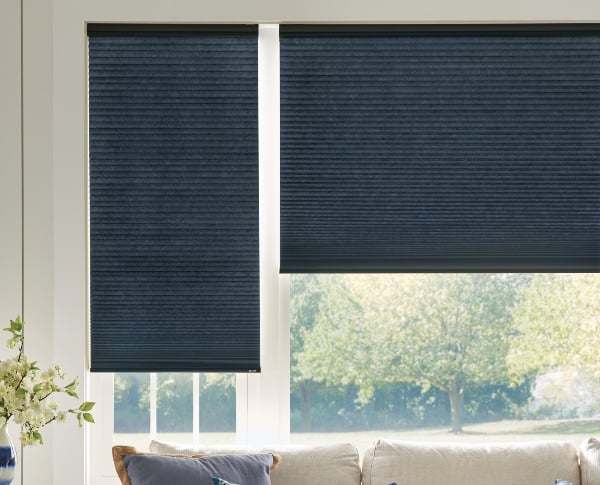
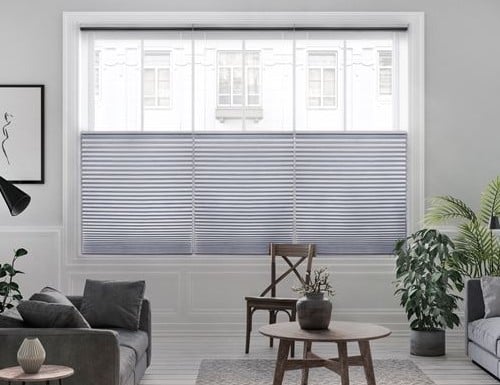
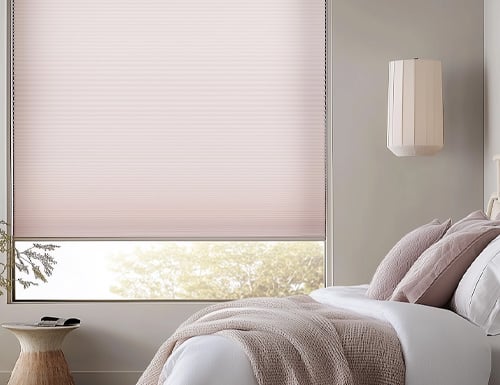
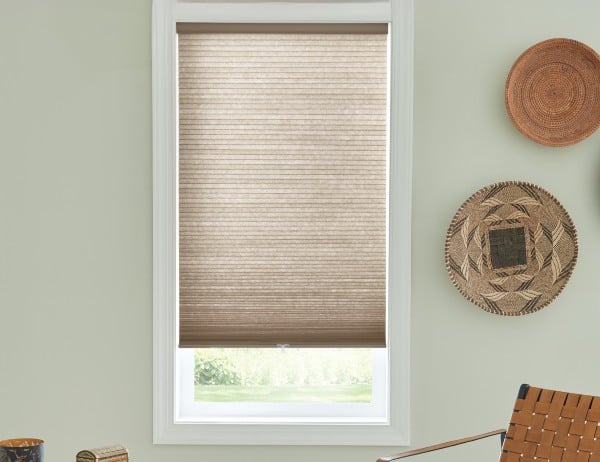
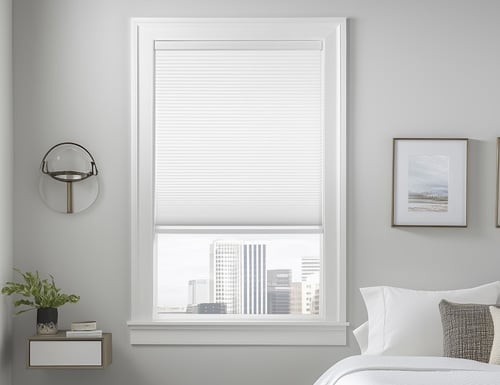
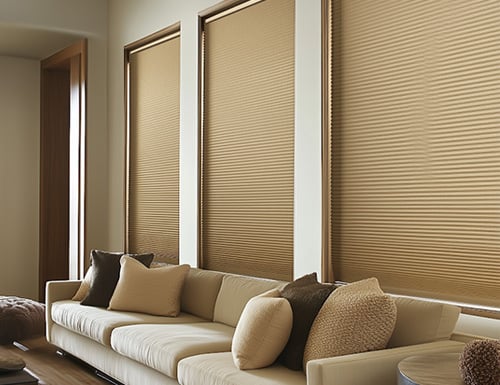
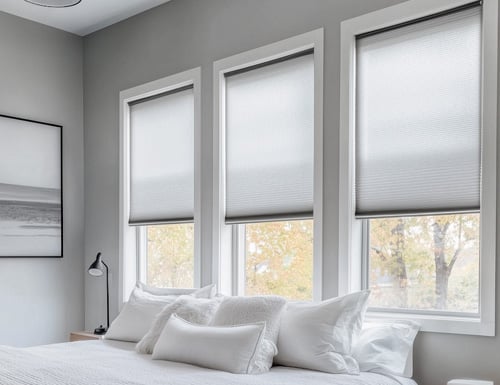
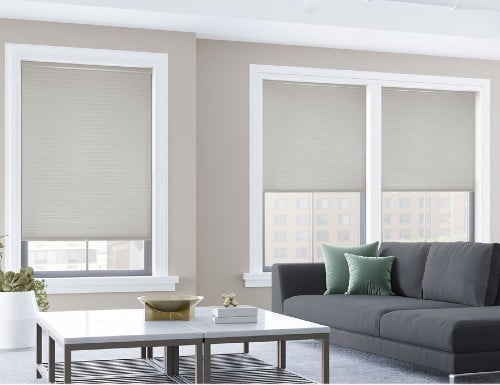
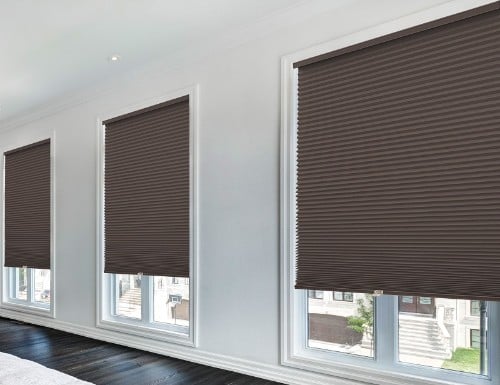
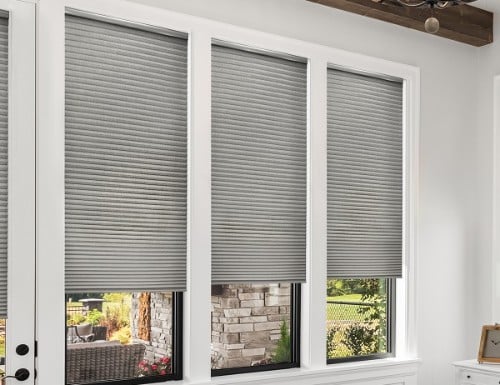
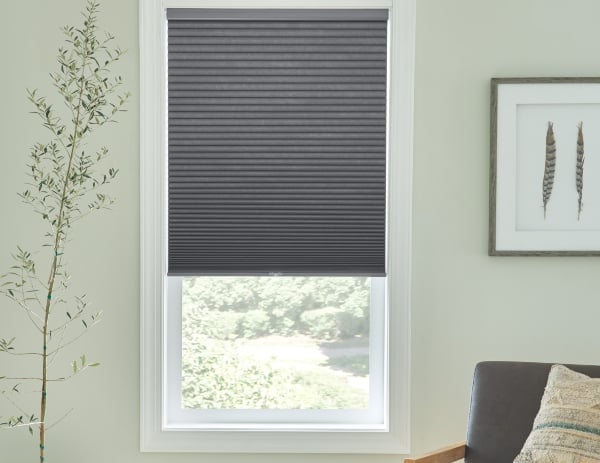
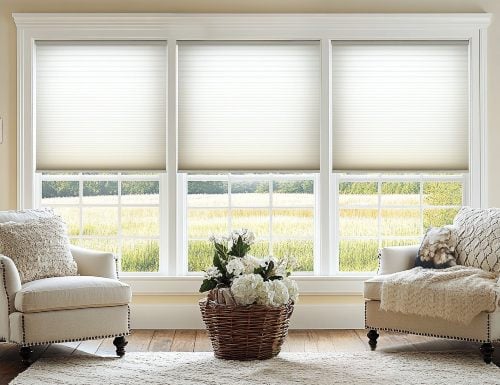
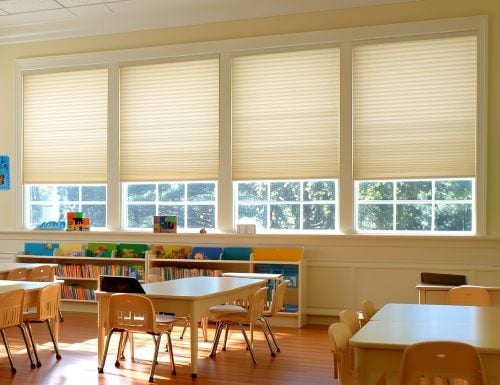
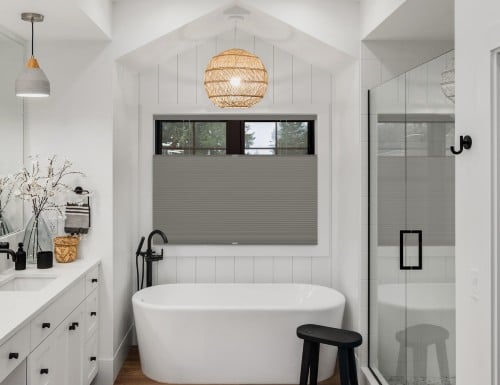
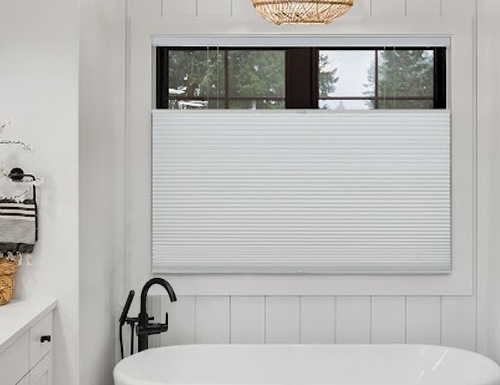
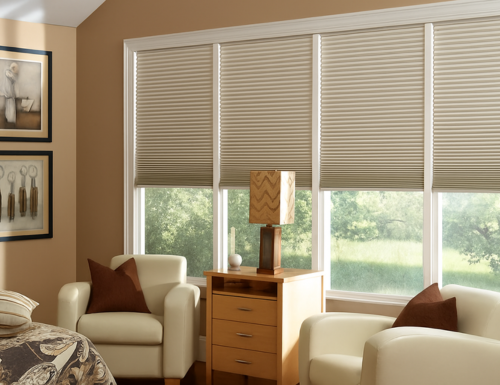
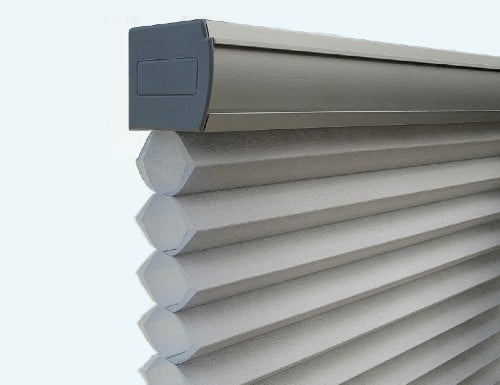
Cellular shades use single, double, or triple honeycomb cells to trap air at the window. More cells and deeper pleats generally improve insulation and energy efficiency. Choose light-filtering for daytime glow or blackout for bedrooms. See our full selection of honeycomb cell shades.
Blackout Roller Shades
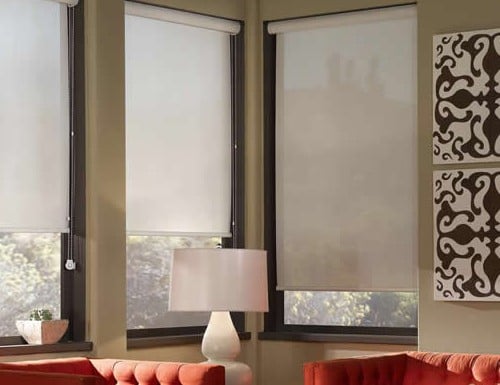
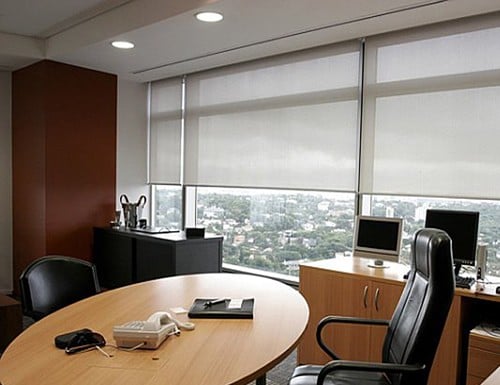
Dense, opaque fabrics limit radiant heat and morning glare. For better edge coverage, use an outside mount with extra overlap or add side channels where compatible. Custom fabric roller shades are great in media rooms and east/west exposures.
Roman Shades with Privacy/Blackout Liners
Lined custom Roman shades add a handsome, insulating fabric layer at the window. Add interlining to increase body and thermal mass for draftier windows or colder climates.
Layered Solutions (Shade + Drapery)
Combining an insulating shade with side panel drapery reduces light gaps and boosts thermal performance—especially on wide or out-of-square frames. It’s an elegant path to more energy efficiency without replacing windows.
How Energy Shades Work
Insulation: Air pockets (cells) reduce conduction and convection at the glass.
Solar control: Darker or high-opacity fabrics reduce radiant heat; some light fabrics reflect sun while preserving daylight.
Coverage: Wider outside mounts and returns minimize side/top gaps where heat and light sneak in.
How to Choose Quickly
Need the most insulation? Double- or triple-cell honeycomb in blackout or room-darkening cellular shade fabrics.
Fighting afternoon glare? Blackout or tighter-weave roller shades; consider outside mount for extra overlap.
Drafty windows? Lined or interlined Roman shades, or cellular blackout with an outside mount.
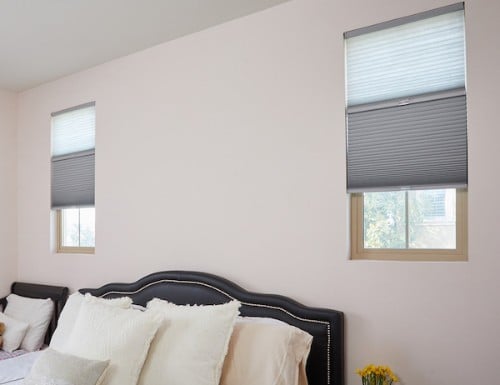
Want flexible day/night use? Day-Night cellular (sheer + blackout) or layered shade + drapery panels.
Install & Mount Tips for Better Energy Efficiency
Outside mount with overlap: Add 1–2" per side (more for blackout) and extra height to cover the top gap.
Seal the stack: Mount high enough so raised shades clear trim; this keeps fabric flat against the wall when lowered.
Consider side channels: Where compatible, channels reduce edge glow and drafts on rollers/solar shades.
Smart Controls & Scheduling
Pair motorized shades with simple routines (e.g., lower at sunset, raise at sunrise) to support daily comfort and energy savings—no manual adjustments required.
Why Buy Energy Shades from Blinds Chalet
Made to measure: Built to your exact sizes for a cleaner seal and better performance.
Fabric & liner options: From light-filtering to blackout and interlining for more insulation.
Expert help: We’ll guide you to the best mix of mount type, opacity, and features for each room.
Energy Efficient Shades — FAQs
Which window shades are most energy efficient?
Honeycomb cellular shades generally perform best thanks to their insulating air pockets—double or triple cell offers greater insulation. For extra coverage, use an outside mount with added overlap.
Do blackout shades save energy or just block light?
Blackout fabrics reduce light and can help limit heat transfer by using denser materials. They work best when combined with wider outside mounts or side channels to minimize edge gaps.
Are lined Roman shades energy efficient?
Yes. Adding privacy or blackout liners—and especially interlining—improves insulation and reduces drafts, while keeping a designer look. They’re a strong option for formal spaces and bedrooms.
Inside mount vs. outside mount—what’s better for efficiency?
Inside mounts look built-in but leave small side gaps. For darker rooms and better draft control, outside mounts add overlap and improve coverage at the edges and top.
Do I need double-cell or is single-cell enough?
Single-cell works for mild climates and everyday light control. Choose double- or triple-cell for cooler climates, drafty windows, or when you want maximum insulation and room darkening.
Can shades qualify for energy rebates or credits?
Programs vary by location and change over time. Many incentives focus on window replacements rather than interior shades. Check your local utility or government site for current eligibility details.
* Production lead times are only an estimate and does not apply to any colors that are out of stock. Production begins the following business day after ordering. Please allow additional time for shipping.