








One of the most important things to understand when choosing solar shades is the openness factor. Solar shade openness affects how much light enters the room, how much glare is reduced, how much privacy the shade provides, and how clearly you can see outside.
If you're comparing solar screen shades, understanding openness levels will help you choose the best option for your room, your sunlight exposure, and your view.
Browse our collection of solar screen shades to compare fabrics, colors, and openness options. Find the ideal solution with our selection of window shades for every décor and light control need.
What Is Solar Shade Openness?
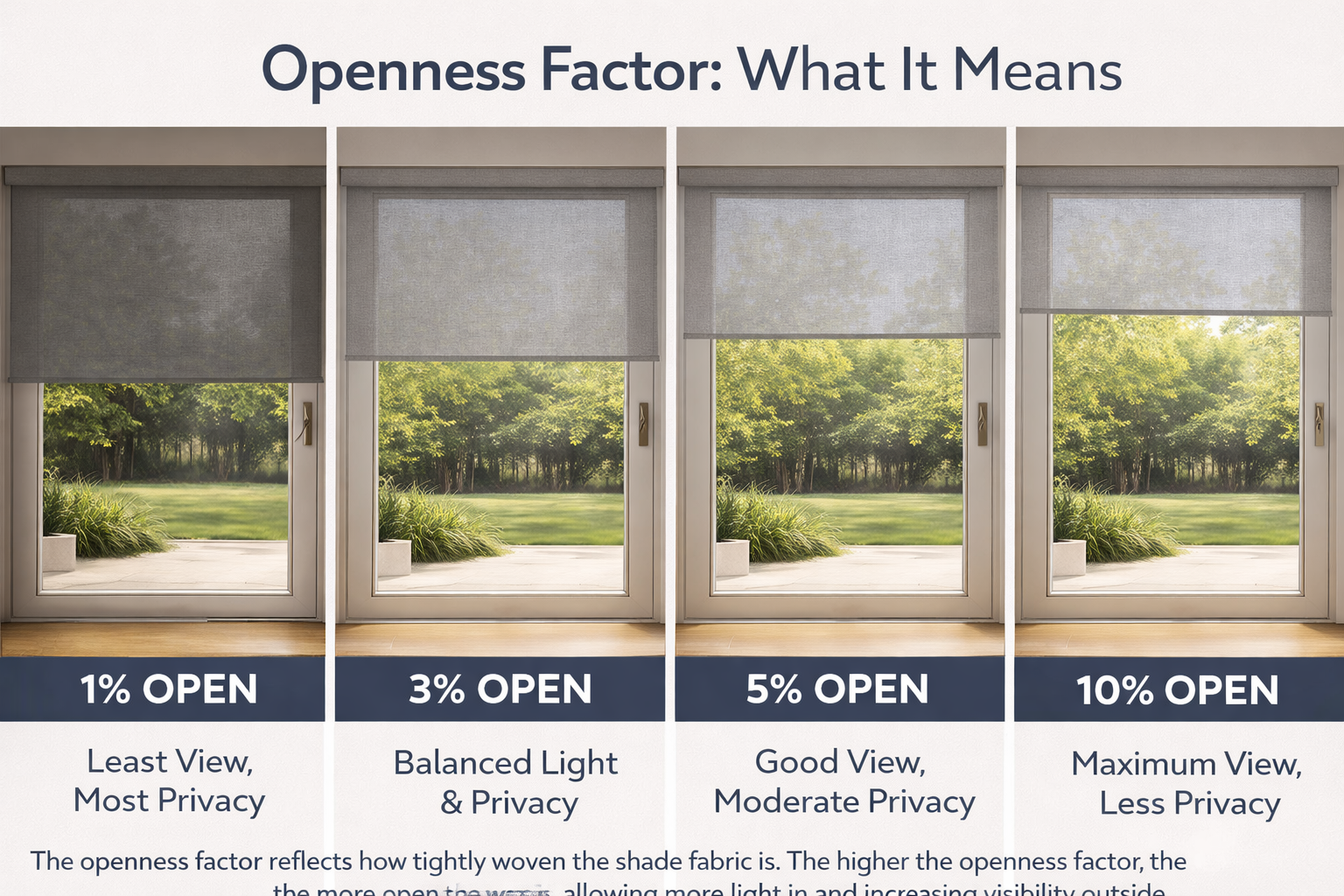
Solar shade openness refers to the percentage of open space in the woven fabric. A lower openness factor means the fabric is more tightly woven, which blocks more light and glare. A higher openness factor means the fabric is more open, which allows more light in and preserves more of the outside view.
For example, a 1% solar shade has a tighter weave than a 10% solar shade. That tighter weave can provide better glare reduction and more privacy, while a higher openness fabric can create a brighter room with more visibility outside.
How Solar Shade Openness Affects Performance
The openness factor influences several key performance areas:
- Glare Reduction: Lower openness reduces more glare
- UV Protection: Lower openness generally blocks more UV rays
- Heat Control: Lower openness can help reduce more solar heat gain
- View to the Outdoors: Higher openness preserves more visibility
- Privacy: Lower openness usually offers more daytime privacy
Solar Shade Openness Comparison
| Openness Factor | Best For | View to Outside | Glare Reduction | Privacy | Things to Consider |
|---|---|---|---|---|---|
| 1% Openness | Home offices, media rooms, very sunny windows | Lowest visibility | Highest glare reduction | Best daytime privacy | Great for strong sun control, but the room may feel darker and the outside view is more limited. |
| 3% Openness | Living rooms, offices, large windows with moderate to strong sun | Good visibility | Strong glare reduction | Good daytime privacy | A balanced option that works well in many spaces, but still feels slightly more closed than 5% openness. |
| 5% Openness | Living rooms, dining rooms, sunrooms | Better visibility | Moderate glare reduction | Moderate daytime privacy | A popular middle-ground choice for homeowners who want natural light and a clearer view with some sun control. |
| 10% Openness | Rooms with mild sun exposure, view-focused spaces | Highest visibility | Lowest glare reduction | Least privacy | Best when preserving the outside view is the top priority, but it offers the least heat and glare control. |
In general, lower openness solar shades are better for stronger glare control, UV reduction, and privacy, while higher openness shades are better for maintaining a brighter room and a clearer outside view. The right choice depends on how much direct sun the room gets and whether your priority is comfort, visibility, or privacy.
1% Solar Shades
1% solar shades have a very tight weave and are designed for maximum glare reduction and stronger sun control. They are often a good choice for very bright rooms, sun-facing windows, and home offices where screen glare is a concern.
Pros of 1% Openness
- Strong glare reduction
- Better daytime privacy
- More UV and heat control
3% Solar Shades
3% solar shades are one of the most popular openness options because they create a strong balance between glare reduction and visibility. They still provide meaningful sun control while preserving a view to the outside.
Pros of 3% Openness
- Good balance of view and glare control
- Popular all-purpose option
- Strong UV protection
5% Solar Shades
5% solar shades are another very common choice and are often selected when homeowners want a brighter room while still reducing glare and sun exposure. They preserve more of the outside view than lower openness options.
Pros of 5% Openness
- Brighter interior feel
- Better visibility to the outdoors
- Good light control without feeling too closed off
10% Solar Shades
10% solar shades have the most open weave of the common options and are chosen when preserving the outdoor view is the top priority. They allow the most natural light into the room and create the most open appearance.
Pros of 10% Openness
- Best visibility to the outdoors
- Brightest overall appearance
- Least visually heavy when lowered
Which Solar Shade Openness Is Best?
The best solar shade openness depends on how you use the room and what matters most to you.
- Choose 1% openness if: You want maximum glare reduction and stronger privacy
- Choose 3% openness if: You want a balanced, versatile option for most rooms
- Choose 5% openness if: You want more natural light and a clearer outside view
- Choose 10% openness if: Preserving the view is more important than glare control
Best Solar Shade Openness for Different Rooms
Best openness for home offices
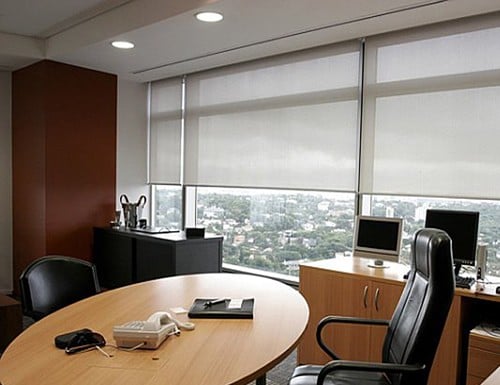
For home offices, 1% or 3% openness is often the best choice because these fabrics help reduce glare on computer screens while still allowing some natural light into the room.
Best openness for living rooms
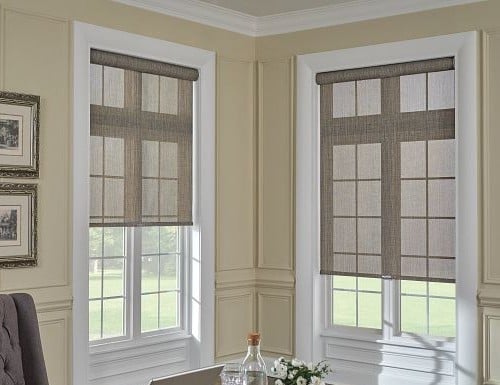
For living rooms, 3% or 5% openness is often a strong choice because it balances view preservation with glare reduction and helps maintain a bright, comfortable space.
Best openness for sunrooms
For sunrooms, 3% or 5% openness is often ideal depending on how much direct sun the space receives. These options help reduce harsh sunlight while preserving the open feel of the room.
Solar Shade Openness and Privacy
Solar shades can offer daytime privacy, but the amount of privacy depends heavily on the openness factor. Lower openness fabrics generally provide more privacy because the weave is tighter. Higher openness fabrics offer a more open view but also less privacy.
At night, privacy may decrease with any solar shade when interior lights are on.
Learn more in our guide on whether solar screen shades provide privacy.
How to Choose the Right Solar Shade Openness
To choose the right openness factor, ask yourself:
- How much glare do I need to reduce?
- How important is my outside view?
- How bright do I want the room to feel?
- How much daytime privacy do I want?
- How much direct sun does the room get?
If glare and heat are your top concerns, start with 1% or 3%. If view preservation and natural light matter most, 5% or 10% may be a better fit.
Learn More About Solar Screen Shades
- What Are Solar Screen Shades?
- How Solar Screen Shades Work
- Do Solar Screen Shades Provide Privacy?
- Benefits of Solar Screen Shades
- Are Solar Screen Shades Worth It?
Shop our top rated solar shades based on customer ratings and browse our selection of exterior screen shades for patios and outdoor spaces.
Frequently Asked Questions About Solar Shade Openness
What does openness mean in solar shades?
Is 1% or 5% solar shade openness better?
What is the best solar shade openness for a living room?
What is the best solar shade openness for an office?
Do lower openness solar shades provide more privacy?
Improve comfort in bright spaces with modern solar shades that help block UV rays while preserving natural light.
For more detailed guidance, visit our solar roller shades guide hub for expert recommendations and buying tips.

 (
(

 (
(