







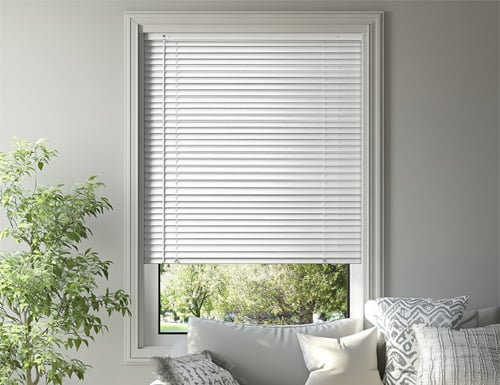
Multiple Blinds Faux Wood Blinds
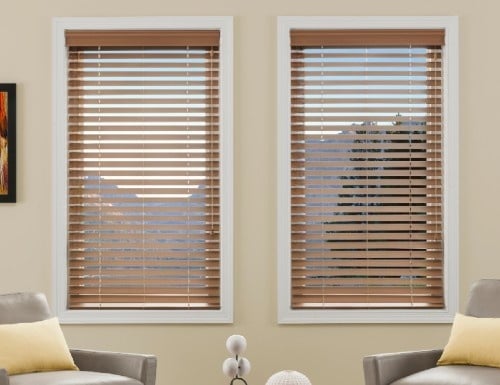
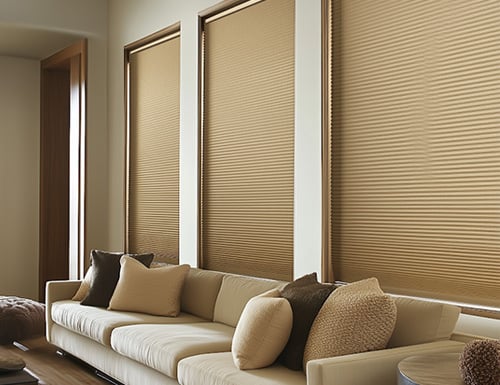
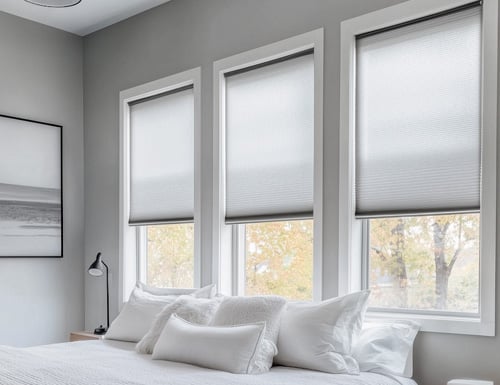
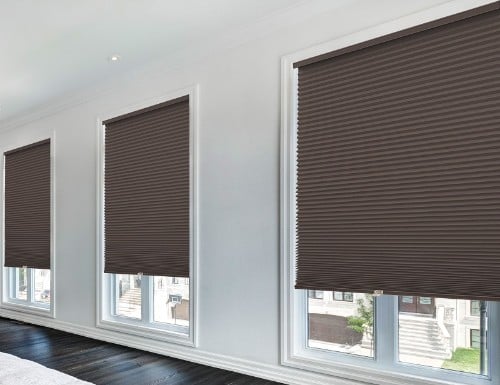
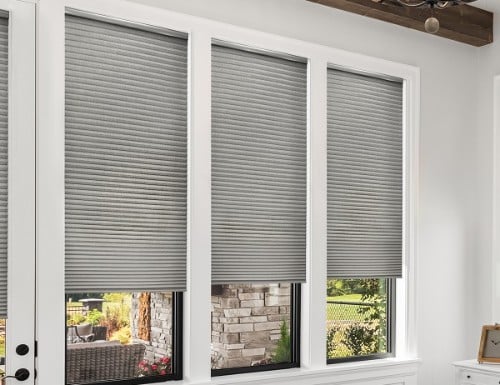
Multiple Blinds Honeycomb Cellular Shades
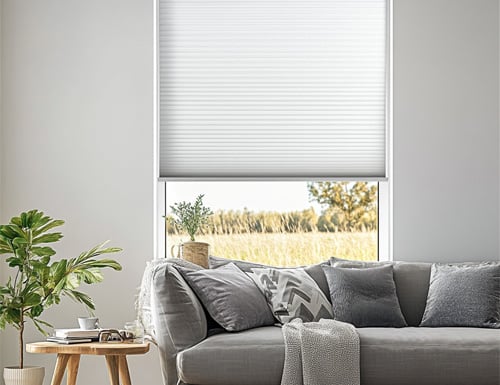
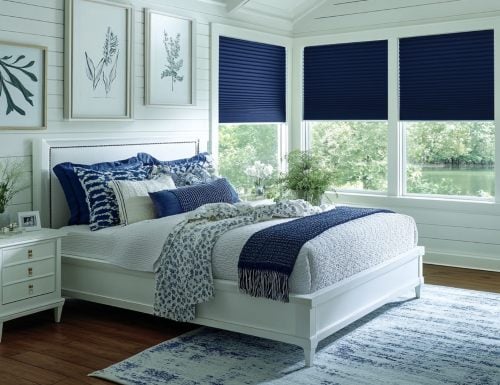
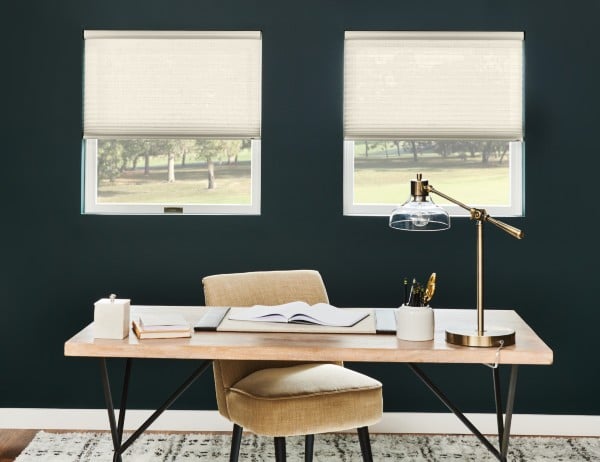
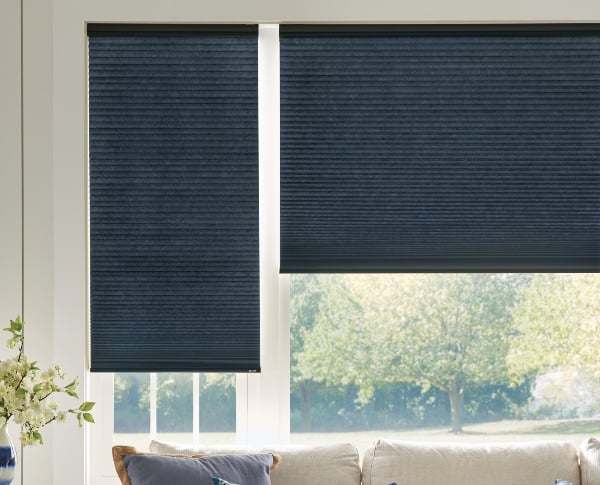
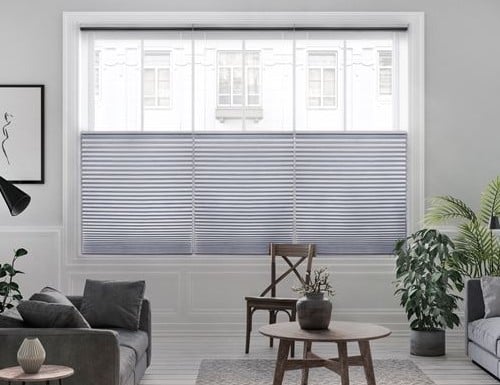
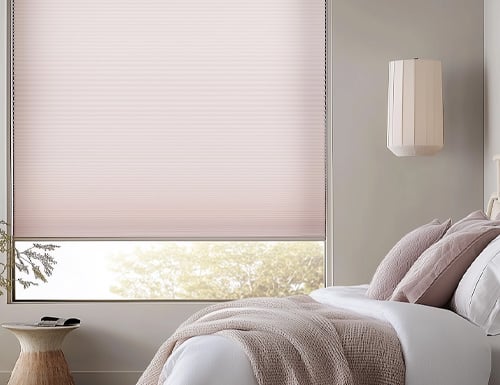
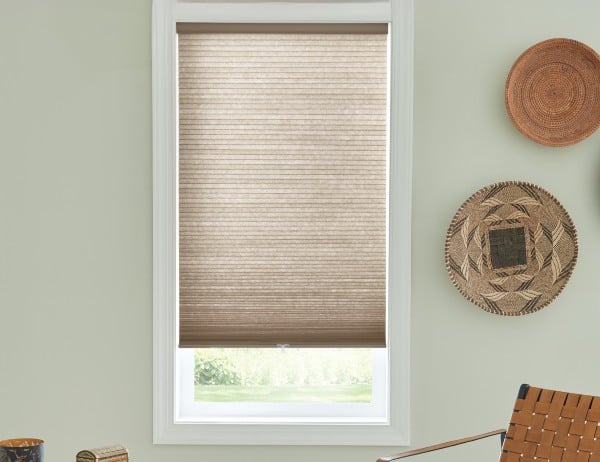

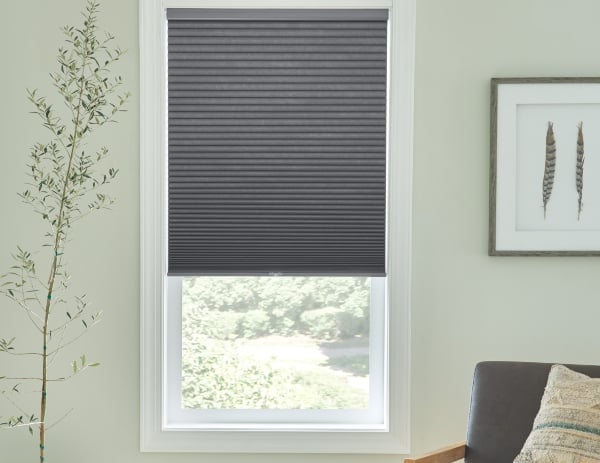
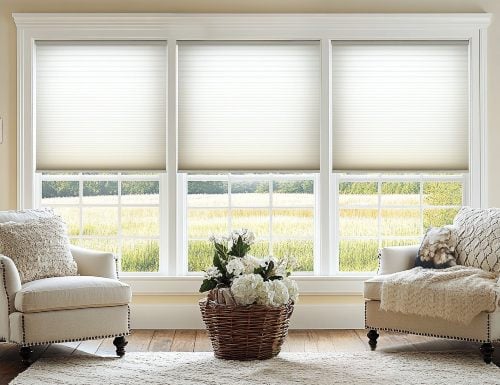
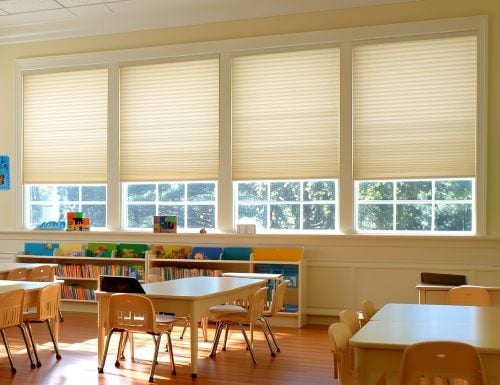
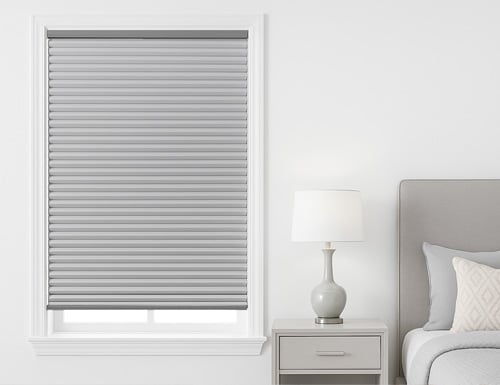
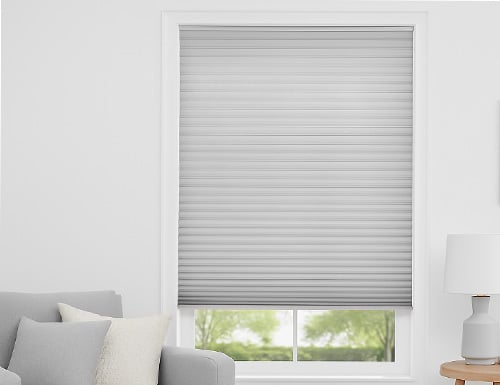
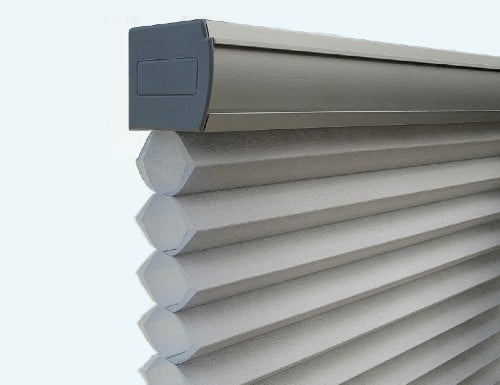
Multiple Blinds Wood Blinds
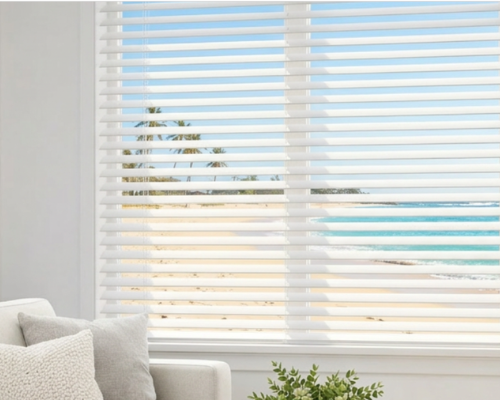
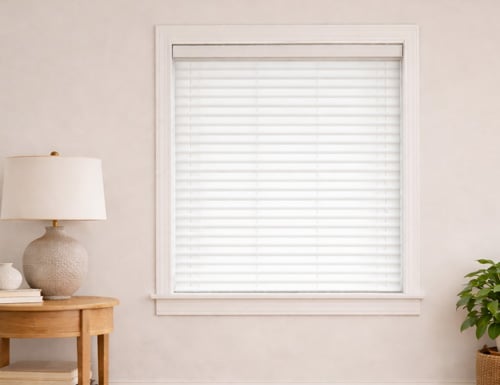
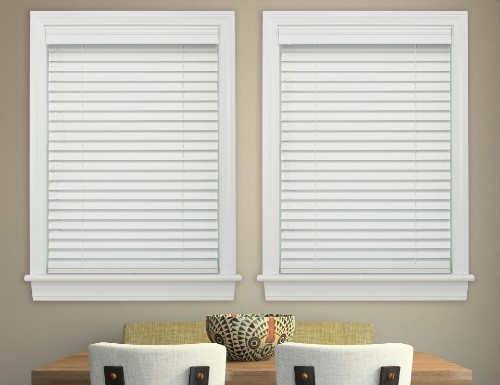
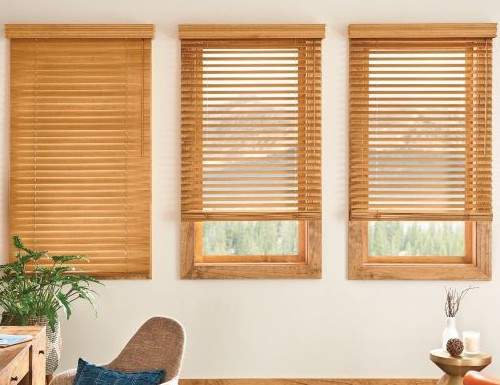

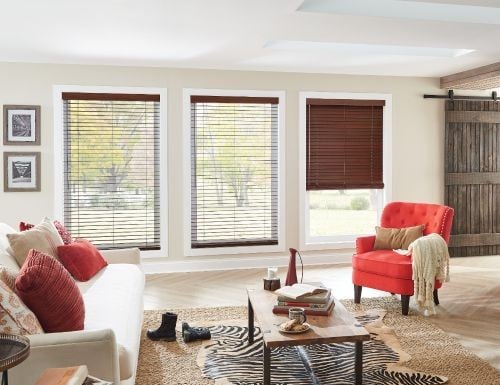
Multiple Blinds Bamboo Woven Wood Shades
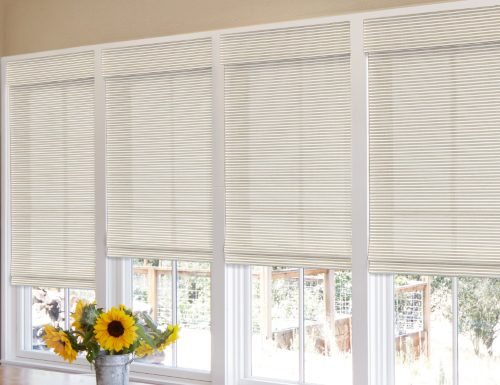
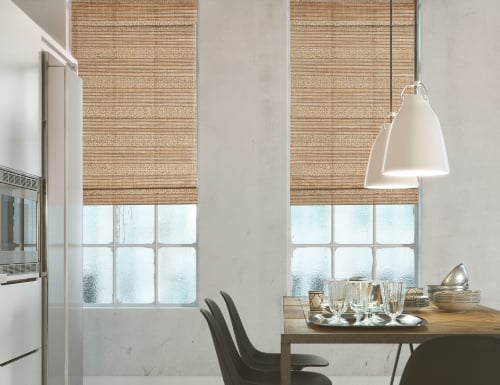
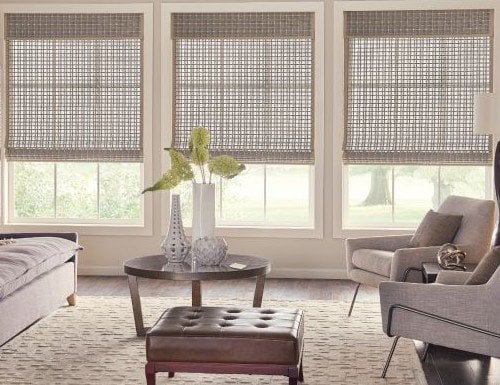
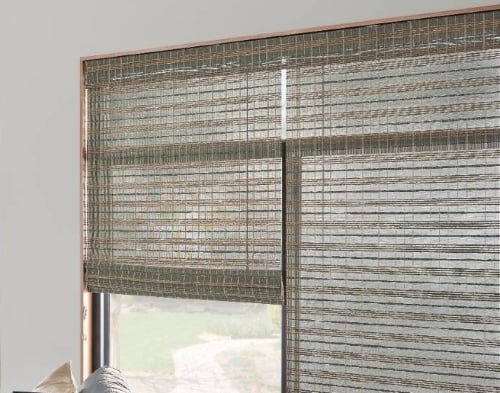
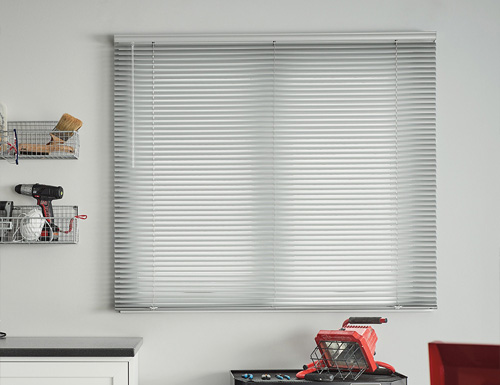
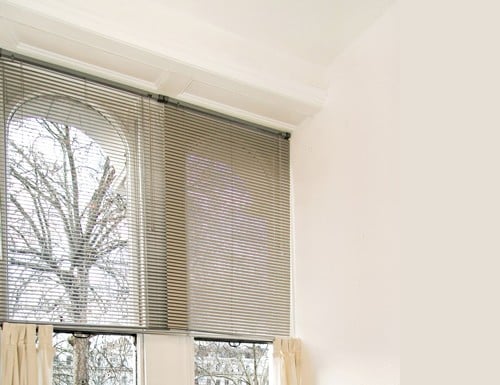
Multiple Blinds Aluminum / Vinyl Mini Blinds
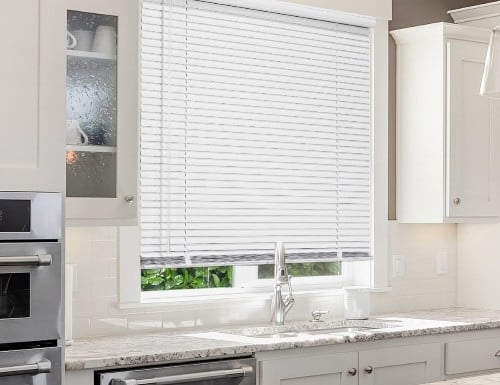
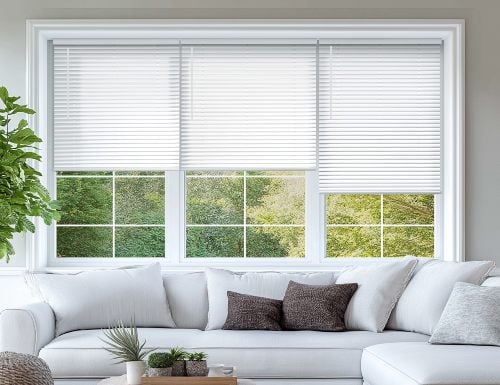
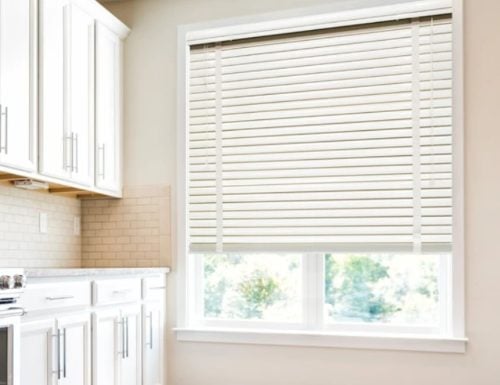
Multiple Blinds Roman Shades
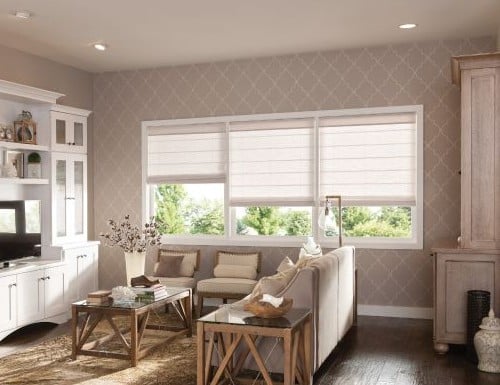
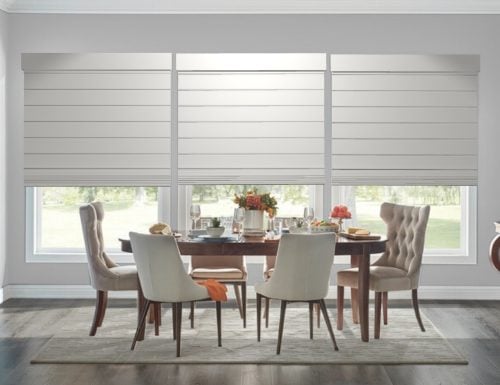
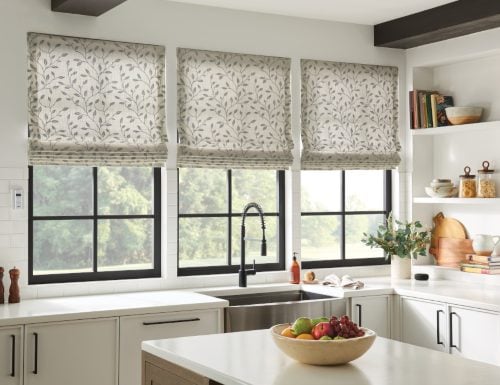
Multiple Blinds Pleated Shades
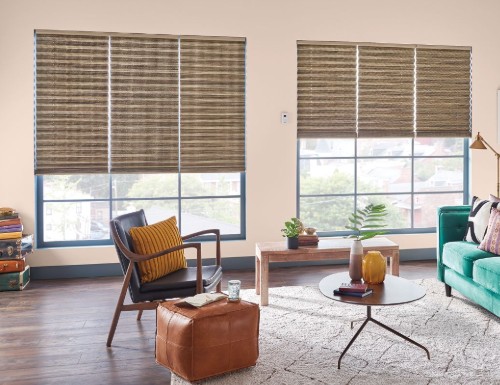
What Is a Multiple Headrail?
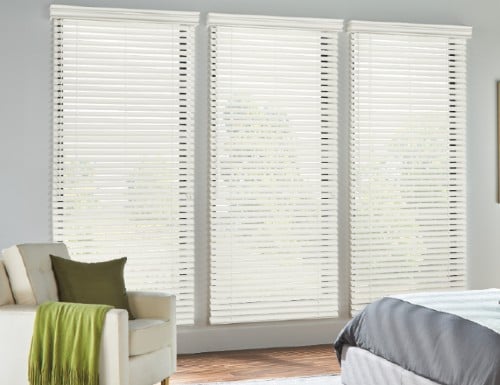
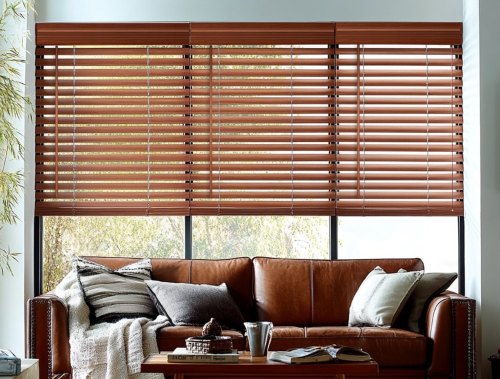
A multiple headrail allows you to combine two or more blinds onto a single headrail system. Instead of installing separate blinds with individual mounting hardware, multiple blinds are grouped together under one continuous headrail for a cleaner, more streamlined look.
This option is often used for wider windows or groups of windows placed side-by-side. You may also hear this referred to as a 2-on-1 or 3-on-1 headrail, depending on how many blinds are combined into one unit.
Each blind section typically operates independently, giving you flexible light control while maintaining a unified appearance across the entire window.
Benefits of Multiple Headrails
- Clean, unified appearance: Creates a seamless look across multiple windows or wide openings
- Fewer brackets and hardware: Reduces installation complexity and visible mounting components
- Independent operation: Each blind section can be raised or lowered separately
- Better alignment: Keeps multiple blinds evenly spaced and visually consistent
- Ideal for large windows: Makes it easier to cover wider areas without oversized single blinds
When Should You Use a Multiple Headrail?
A multiple headrail is a great choice in situations where both functionality and appearance matter. It works especially well for:
- Wide windows: Cover large openings without needing one oversized blind
- Side-by-side windows: Maintain a consistent look across adjacent windows
- Sliding glass doors: Combine multiple shades for easier operation and better coverage
- Rooms with symmetrical layouts: Keep window treatments aligned and balanced
- Spaces where a clean design is important: Reduce visual clutter from multiple headrails
2-on-1 vs 3-on-1 Headrail: What’s the Difference?
The main difference between these options is the number of blinds combined into one headrail:
- 2-on-1 headrail: Combines two blinds into a single headrail. This is a popular choice for medium-width windows or pairs of windows.
- 3-on-1 headrail: Combines three blinds into one headrail, ideal for wider window spans or three adjacent windows.
Both options provide the same benefits of a unified look and independent control. The right choice depends on your window size and how many sections you want to operate separately.
2 on 1 or 3 on 1 Headrail Blinds
Multiple blinds or shades on 1 headrail is the perfect solution for customers with large windows. The 2 on 1 headrail option is two blinds or shades that can be operated independently but still share the same headrail and valance. This is the simplest way to maintain controls over your blinds and still have a clean look. Large windows covered with a single blind can have a tendency to sag over time. This will not occur with the multiple shades on one headrail. Controls for the feature are simple. Each blind on the headrail has its own wand and cord control. Customers love the ability to open one blind while leaving the other closed. All of the products listed below feature a 2 on 1 or 3 on 1 headrail option. You can choose this option when you are building out your product.
The exact size which multiple blinds is required varies by product as well as the overall size of the blinds. Faux wood blinds are heavier than real wood blinds and therefore cannot be as large. The size requirement for multiple blinds is based also on the width and height. A very wide blind typically requires multiple blinds unless the blind is not very tall. Typically faux wood blinds over 72 inches and wood blinds over 78 inches. The size will vary by product. Our website will notify you when your blind requires 2 in 1 blinds. The 2 on 1 headrail option is available for faux wood blinds, wood blinds, aluminum mini blinds, bamboo woven wood shades and honeycomb cellular shades.
Some blinds below will also have a 3 on 1 option. 3 on 1 is three blinds that can be operated independently on one headrail. A unique aspect of 3 on 1 over 2 on 1 is the ability to control the size of the two outside blinds and the middle blind. For example, a customer could have the side blinds the same size and the center blind another. If you have any further questions about this feature, please don’t hesitate to reach out to our customer service team.
If you're unsure which option is best for your space, consider the width of your window and how you plan to use each section for light control and privacy.
Can You Use One Valance for Multiple Blinds?
Yes, there are two main ways to achieve a seamless look when covering multiple windows side-by-side: a 2-on-1 or 3-on-1 headrail or a common valance. Both options allow you to create a unified appearance, but they work in different ways depending on your needs and the product you choose.
Option 1: 2-on-1 or 3-on-1 Headrail (Single Headrail System)
A multiple headrail is an upgrade option available on select products. This feature combines multiple blinds into one headrail, allowing you to cover a wide window or multiple windows with a single system.
Each section of the blind operates independently, so you can raise or lower them individually while maintaining a clean, continuous look across the window.
When ordering, you’ll enter the overall width and height of your window first. If the product supports this feature, you’ll be able to select a 2-on-1 or 3-on-1 headrail option and then specify the exact width of each individual section.
When a 2-on-1 or 3-on-1 Headrail Is a Good Choice
- Wide window openings: Makes large blinds easier to operate by splitting them into manageable sections
- Side-by-side windows: Keeps multiple blinds aligned under one headrail
- Independent light control: Open one section while keeping others closed
- Sliding or bay windows: Provides flexibility for different window configurations
- Cleaner installation: Reduces the need for multiple separate headrails
Option 2: Common Valance (Single Valance Covering Multiple Blinds)
If a multiple headrail option is not available—or if you prefer separate blinds—you can still achieve a unified look with a common valance.
A common valance is a single decorative piece that spans across two or more individual blinds, hiding each headrail and creating the appearance of one continuous window treatment.
This option is typically available for wood and faux wood blinds and may require a custom request. In some cases, a small additional charge may apply.
Important Notes About Common Valances
- Valances for wide spans may be spliced into sections for safe shipping
- Splices can be straight or diagonal and are designed to fit together seamlessly during installation
- This helps prevent damage and avoids oversized shipping constraints
Which Option Is Right for You?
If you want a fully integrated system with fewer components, a 3-on-1 headrail is the best solution. If you’re working with a product that doesn’t support this upgrade or prefer separate blinds, a common valance provides a similar visual result.
Both options are designed to improve the appearance of wide or multi-window setups while maintaining flexibility and functionality.
Blinds for Multiple Windows on One Headrail
If you have multiple windows side-by-side or a wide window opening, installing separate blinds can create alignment issues and visual clutter. A multiple headrail system allows you to combine two or three blinds into one continuous unit for a cleaner, more functional solution.
This is often the best option for situations where homeowners search for solutions like blinds for 3 windows in a row, split blinds for large windows, or blinds for double or triple windows.
Common Scenarios
- Three windows side-by-side: Use a 3-on-1 headrail to keep all blinds aligned
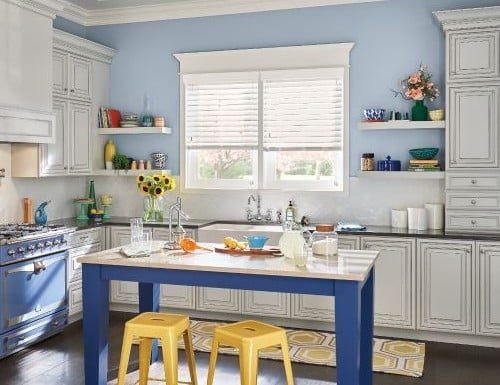
- Double windows: A 2-on-1 headrail provides balanced coverage and easier operation
- Extra-wide windows: Split one large blind into multiple sections to reduce weight
- Sliding or large openings: Control each section independently for flexibility
With this setup, each blind section operates independently, allowing you to adjust light and privacy while maintaining a consistent look across your windows.
Can You Put 3 Blinds on One Headrail?
Yes, you can combine 3 blinds on one headrail using a 3-on-1 configuration. This option is ideal for wider window spans or three adjacent windows, allowing all blinds to share one continuous headrail and valance.
Each section still operates independently, so you can open or close individual blinds as needed without affecting the others.
This setup is commonly referred to as:
- 3-on-1 headrail blinds
- 3 blinds on one headrail
- 3-in-1 blinds
It’s one of the most effective ways to maintain both flexibility and a clean, unified appearance.
See our full blinds collection for other styles including our selection of Bali blinds & shades.
Multiple Blinds on One Headrail - FAQs
What does “multiple blinds on one headrail” mean?
It’s a single, continuous headrail that carries two or more individual blind/shade panels. You get a unified top line and shared valance/cassette, while each panel operates on its own for better control across wide openings.
Why choose multiple blinds on one headrail?
It’s ideal for extra-wide windows, sliding doors, and banks of side-by-side windows. Benefits include easier lifting, less deflection on wide spans, independent light/privacy control, and a clean, coordinated look.
Which products support multiple blinds on a single headrail?
Most roller shades (including solar), honeycomb/cellular shades, Roman shades, and faux/wood Venetian blinds offer multi-panel options on a shared headrail or cassette. Availability varies by collection and size limits.
Do the panels operate together or independently?
Panels typically operate independently (separate lifts, wands, or motors) so you can raise, lower, or tilt each section as needed. You can still group them to move together with loop or motorized controls.
Will there be a light gap between the panels on one headrail?
Yes. A small vertical gap is required so panels don’t rub. The exact gap depends on product type and controls. Outside mount with extra overlap or side drapery can help reduce perceived light at the seams.
How do I measure and choose the split widths for multiple panels?
Measure the total opening width and height. Decide where you want panel splits (e.g., centered over mullions or door panels). Many products will let you specify equal or custom panel widths—check the size minimums for each panel.
Should I use inside mount or outside mount for multiple blinds on one headrail?
Inside mount gives a built-in look if your recess is square and deep enough. Outside mount adds overlap to reduce light gaps and can be easier over doors or uneven surfaces.
How is a multi-panel headrail supported on wide spans?
Wide headrails use additional brackets or center supports. Always mount into solid framing when possible and confirm you have the required recess depth for the cassette/valance profile.
Can I motorize multiple blinds on one headrail and control them together?
Yes. Each panel typically has its own motor so you can move them individually or as a group via remote, app, or voice (with a compatible hub). Set shared scenes for open-plan areas and save favorite positions per panel.
Where are controls placed on multi-panel headrails (cordless, loop, wands)?
You can specify left/right control locations per panel for convenience (e.g., outer edges for easy reach). Cordless panels operate by hand at the bottom rail; loop/wand placements vary by product.
Will patterns and slats line up across the panels?
Manufacturers aim for consistent alignment, but exact match depends on fabric repeat, roll diameter, and slat pitch. Solid or small-scale patterns align most cleanly; large repeats may show slight shifts between panels.
Is a multi-panel headrail good for patio doors or sliders?
Yes. Keep one panel up (or tilted open) for a walkway while others stay down for glare and privacy. Independent operation is the big advantage over one extra-wide shade.
Can I get Top-Down/Bottom-Up or Day/Night features with multiple panels?
On select cellular and Roman programs, yes—within size and weight limits. Each panel functions independently, so confirm the maximums for TDBU or dual-fabric options before ordering wide sets.
How do I clean and maintain multiple blinds on one headrail?
Care for each panel per its material: dust or vacuum lightly; spot clean with mild soap if allowed. Periodically check brackets and center supports, and run full up/down cycles to keep rolls even.
Is a multi-panel headrail more expensive than one extra-wide shade?
Pricing varies by product and control type. Multi-panel builds may cost more than a single unit, but they offer easier operation, better support on wide openings, and flexible light control—often worth the upgrade.
Do multiple blinds on one headrail affect lead time or installation?
Lead times are similar to standard custom blinds, though large builds may require extra handling. Installation is straightforward: more brackets and a few extra checks for level and equal panel spacing.
Learn More: 2 on 1 headrail vs mounting 2 separate blinds side by side.
* Production lead times are only an estimate and does not apply to any colors that are out of stock. Production begins the following business day after ordering. Please allow additional time for shipping.