









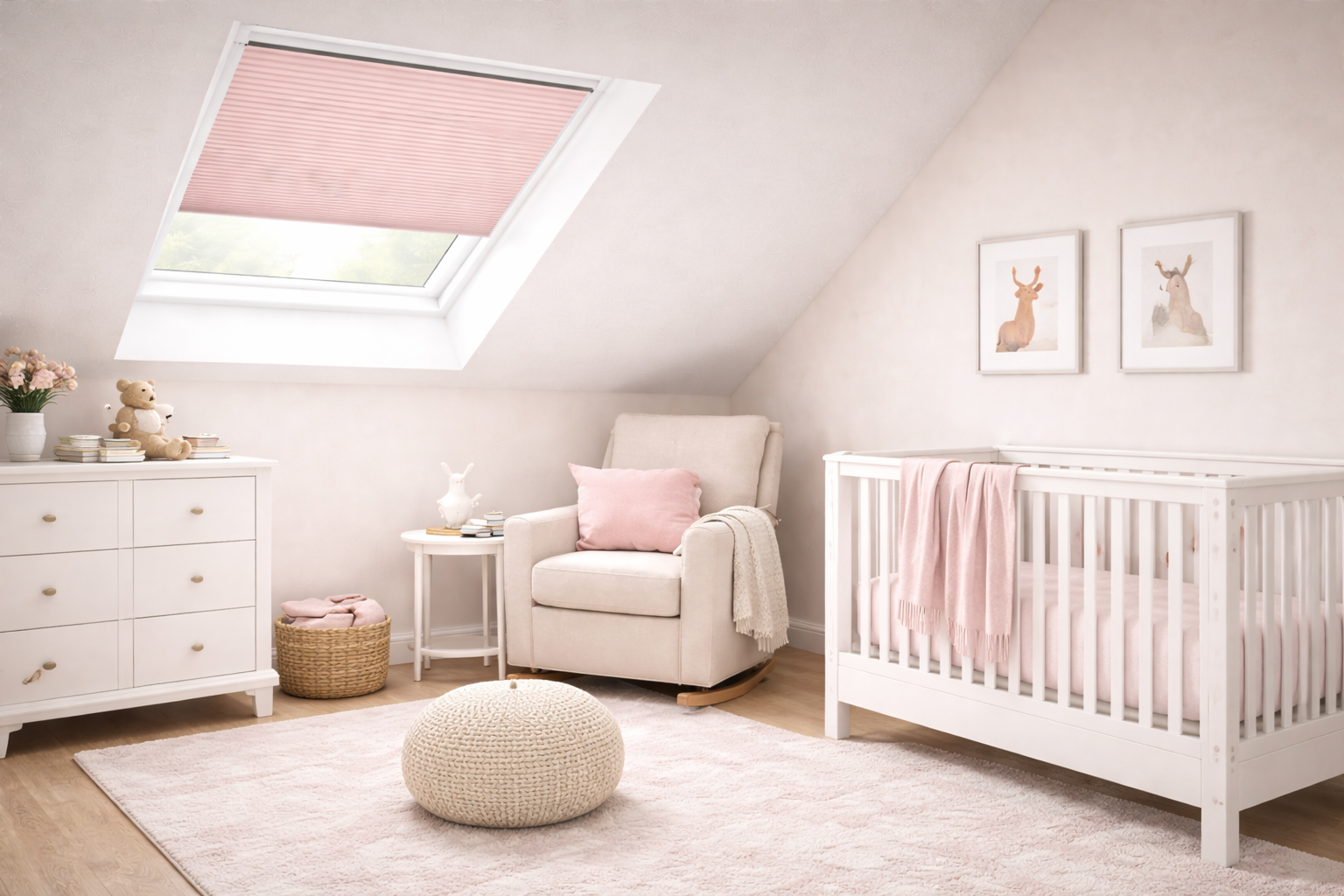
Skylight shades are designed to improve comfort and control in spaces with overhead windows. While skylights bring in natural light, they can also introduce excess heat, glare, and uneven lighting throughout the day.
Adding skylight shades can help manage these challenges while still allowing you to enjoy the benefits of natural light.
Explore different quality window shades, including our skylight shade solutions designed specifically for overhead windows.
Improved Light Control
One of the biggest benefits of skylight shades is the ability to control the amount of light entering a room. Skylights can create intense brightness at certain times of day, and shades allow you to reduce glare while maintaining a comfortable level of natural light.
Better Energy Efficiency
Skylights can contribute to heat gain during warmer months and heat loss during cooler months. Skylight shades help regulate indoor temperatures by reducing the amount of heat that passes through the glass.
Learn more: Light Control and Energy Efficiency
Reduced Glare
Excess sunlight from skylights can create glare on screens, making it difficult to watch TV or work on a computer. Skylight shades help reduce glare and improve usability in living spaces and home offices.
Increased Comfort
By managing both light and heat, skylight shades make rooms more comfortable throughout the day. This is especially important in spaces with large or multiple skylights.
Protection for Furniture and Flooring
Direct sunlight can cause fading over time. Skylight shades help protect furniture, flooring, and décor by limiting prolonged exposure to UV rays.
Motorization for Convenience
Because skylights are often located on ceilings or out of reach, many skylight shades are available with motorized controls. This makes it easy to adjust them without the need for ladders or extension poles.
Explore upgrades: Skylight Shade Options and Upgrades
Designed Specifically for Skylights
Unlike standard window treatments, skylight shades are designed to stay in place on angled or horizontal windows. Their specialized construction allows them to function properly in these unique applications.
When Skylight Shades Provide the Most Value
- Rooms with excessive heat from skylights
- Spaces with glare on screens or reflective surfaces
- Areas with strong, direct sunlight
- Hard-to-reach skylights that benefit from motorization
How Skylight Shades Compare to Other Options
Skylight shades are specifically designed for overhead windows, making them more effective than traditional blinds or shades in these applications.
Compare options: Skylight Shades vs Other Window Treatments
Explore Skylight Shade Options
If you're considering skylight shades, explore our skylight shade resource center to learn more about styles, features, and installation considerations.
You can also explore:
- Pros and Cons of Skylight Shades
- Are Skylight Shades Worth It
- How to Choose Skylight Shades
- How Much Do Skylight Shades Cost
- Definition of a Skylight Shades
- Installation Guide for Skylight Window Shades
Final Thoughts
Skylight shades offer a range of benefits that go beyond simple light control. They improve comfort, enhance energy efficiency, and make skylight-heavy rooms more functional. For many homeowners, they are a practical upgrade that helps maximize the advantages of natural light while minimizing its drawbacks.
Skylight Shade Benefits FAQs
What are the benefits of skylight shades?
Skylight shades help control light, reduce heat, minimize glare, improve comfort, and protect interior furnishings from sun damage.
Do skylight shades improve energy efficiency?
Yes. Skylight shades can reduce heat gain in summer and help regulate indoor temperatures, improving overall energy efficiency.
Do skylight shades reduce glare?
Yes. Skylight shades are effective at reducing glare on screens and reflective surfaces, making rooms more comfortable.
Are motorized skylight shades worth it?
Motorized skylight shades are often worth it for hard-to-reach skylights, as they provide convenience and ease of use.
Do skylight shades protect furniture?
Yes. Skylight shades help reduce UV exposure, which can protect furniture, flooring, and décor from fading.