







Are Your Windows a Hidden Fire Hazard?
Every year, U.S. fire departments respond to hundreds of thousands of home fires that can spread through a house in under two minutes. While most homeowners install smoke detectors and plan their primary escape routes through doors, many overlook a critical safety element: their windows. Windows can either serve as lifesaving emergency exits or become deadly obstacles if they’re painted shut, blocked by furniture, or equipped with non-removable security devices. The difference between these two outcomes often determines whether your family can safely escape when every second counts.
This article provides seven specific, actionable window fire safety tips you can implement this afternoon. As you read each section, grab a notepad and walk through your home room by room. Check every bedroom, basement, and upper-level window against these safety standards. By the end of this guide, you’ll know exactly which windows support your family’s fire safety and which ones need immediate attention.
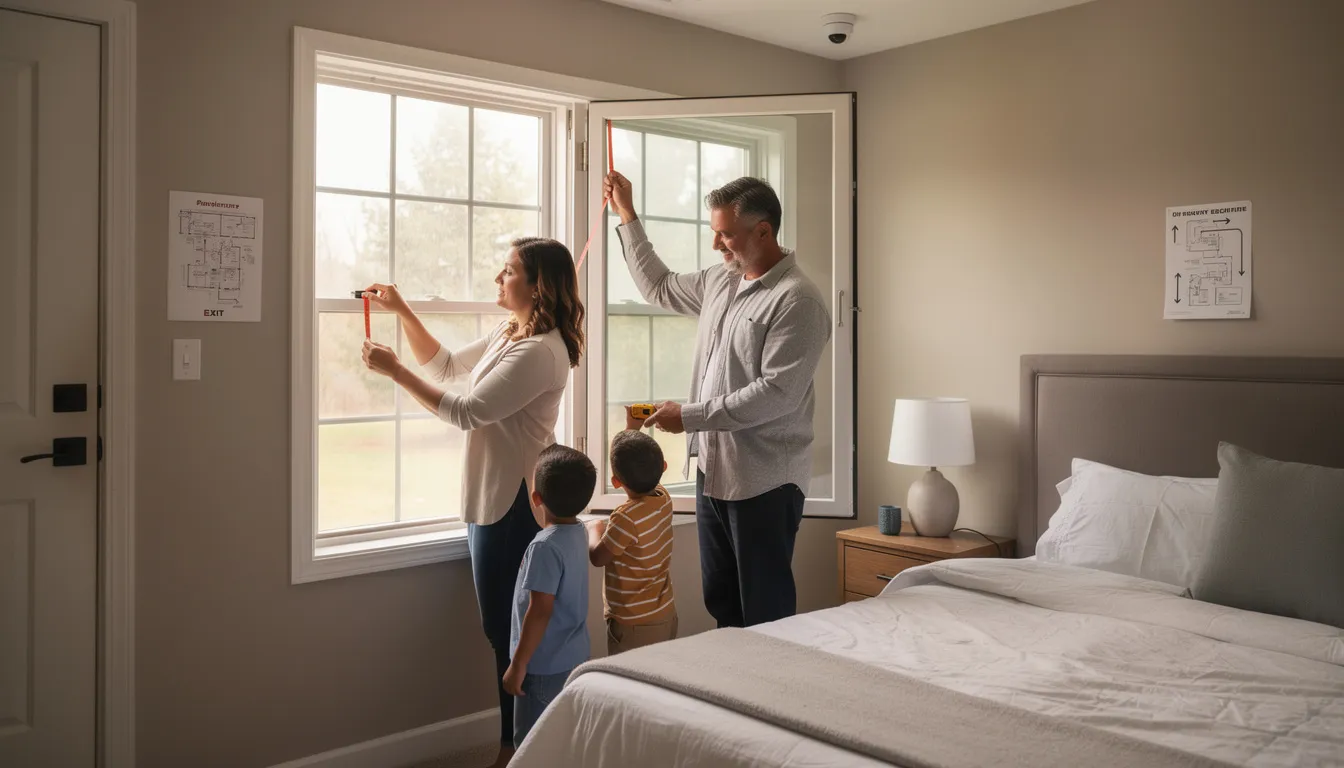
1. Make Sure Every Bedroom Has a Code-Compliant Egress Window
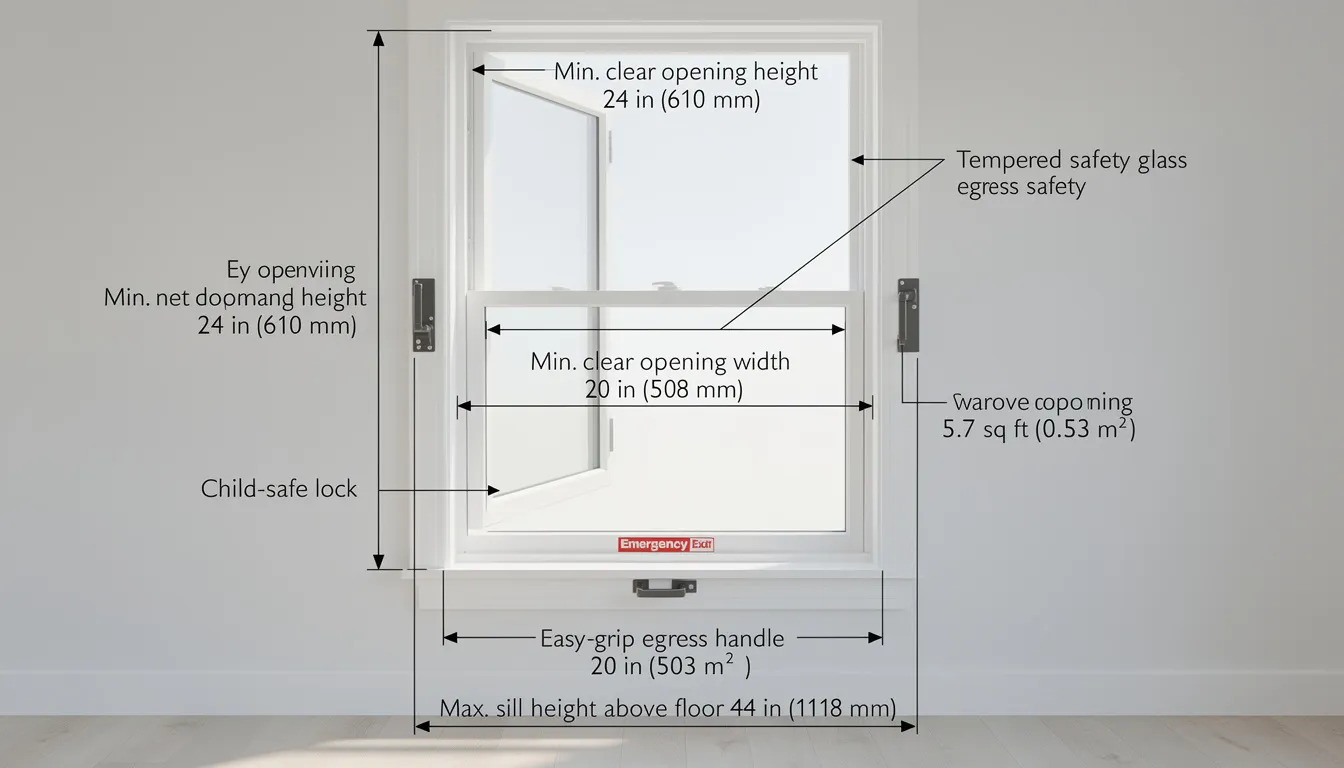
An egress window serves as a secondary escape route from sleeping areas when the primary door exit becomes blocked by smoke or flames. Most U.S. building codes require at least one egress window in every bedroom, and these windows must meet specific size and placement standards to function effectively during emergencies.
A proper egress window must be large enough for an adult to climb through quickly without getting stuck. Generally, this means the window opening should provide at least 5.7 square feet of clear space, with no single dimension smaller than 20 inches. The window sill should sit no higher than 44 inches from the floor, allowing even children and shorter adults to reach and use the window without climbing on furniture.
Check each bedroom in your house right now. Open every window fully and measure whether the largest person in your household could realistically climb through without squeezing or struggling. Pay particular attention to newer homes with decorative windows or older homes where original windows may not meet current safety standards.
Basement bedrooms present especially high fire risks because they often feature small, high-set windows that fail as escape routes. If your basement bedroom has windows smaller than a typical adult could use, or windows more than four feet off the floor, consult a licensed contractor about creating proper egress. This might involve installing larger windows, adding window wells, or creating alternative emergency exits.
Don’t assume your windows meet code just because they passed inspection years ago. Building standards have evolved, and what was acceptable when your house was built may not provide adequate safety today. When in doubt, ask your local building department to evaluate whether existing bedroom windows meet current egress expectations.
2. Keep Windows Clear, Unblocked, and Easy to Reach
Windows cannot save lives if family members cannot reach them quickly in the dark, smoke-filled conditions of a house fire. Even the best egress window becomes useless when blocked by furniture, decorations, or security devices that require tools to remove.
Move beds, dressers, desks, and shelving away from escape windows immediately. Ensure at least one window in each bedroom has a completely clear, direct path that allows an adult to reach and open it within seconds. This means removing anything that requires climbing over, moving around, or pushing aside.
Remove heavy air conditioners, nailed-on storm panels, and permanently attached screens from windows designated as part of your fire escape plan. If you must use these items for weather protection or security, install quick-release mechanisms that allow removal from inside without tools. Many homeowners nail screens shut or screw storm panels in place, unknowingly creating death traps during emergencies.
Replace non-removable security bars with quick-release versions. Traditional security bars that require keys, tools, or complex mechanisms to open can trap occupants during fires. Modern quick-release security bars meet safety requirements while still providing protection against break-ins. These devices should open with a simple push or pull motion that even children can operate.
Arrange children’s bedrooms so kids can reach window locks and latches without climbing on unstable furniture. Test this by having your children demonstrate opening their bedroom windows while you watch for safety issues or accessibility problems.

3. Test That Every Window Opens Smoothly – Especially in Winter
Stuck windows kill. In older homes, paint buildup, dirt accumulation, warped wood frames, and seasonal freezing can prevent windows from opening when families need them most. A window that takes thirty seconds of struggling to open might as well be sealed shut during a fast-moving house fire.
Schedule window testing twice yearly: once during Window Safety Week in April and again during Fire Prevention Week in October. Go room by room and physically open and close each window completely at least twice. Pay attention to any resistance, sticking, or unusual effort required.
Paint buildup around window frames is especially common in homes painted multiple times over decades. The layers accumulate until windows stick or refuse to open entirely. Clean paint seals carefully using a putty knife rather than forcing the window sash, which can break glass and create dangerous shards.
Lubricate window tracks and clean debris regularly. Dirt, leaves, and accumulated grime in window tracks prevent smooth operation. Use appropriate lubricants for your window type (avoiding products that attract more dirt) and clear obstructions from tracks and mechanisms.
Call a window professional immediately if any window still sticks after cleaning and lubrication, won’t stay open when raised, or slams shut unexpectedly. Prioritize repairs in bedrooms and upper stories where window escape routes are most critical. Don’t wait until an emergency to discover that your escape route doesn’t function.
Frozen windows in cold climates present seasonal challenges. Ice accumulation and contracted frames can make windows impossible to open during winter months when heating equipment failures and holiday decorations increase fire risks.
4. Watch for Seasonal Fire Hazards Around Windows
Different seasons create different window-related fire risks that can turn your escape routes into ignition points. Winter plastic film, holiday decorations, and summer cooling equipment can all compromise window safety when not managed properly.
Winter hazards include plastic window insulation film and heavy thermal curtains. While these energy-saving measures reduce heating costs, they can also block escape routes and prevent rescue workers from reaching trapped occupants. If you use plastic sheeting for insulation, keep at least one designated escape window in each room free of plastic, or install the film so it can be torn down quickly from the inside.
Heavy thermal curtains and blankets hung over windows for warmth can also obstruct emergency use. Ensure curtain hardware allows rapid removal and that family members know how to clear window openings quickly.
Holiday fire hazards concentrate around windows during December. Candles placed in windows, plug-in holiday lights strung around frames, and overloaded extension cords running near curtains can ignite window treatments and nearby furnishings. Route electrical cords away from combustible materials and avoid placing open flames near any window designated as an escape route.
Summer cooling equipment creates different risks. Box fans and window air conditioning units should not be permanently installed in escape windows. If you must use window cooling units in bedrooms, choose models with quick-release mounting systems or designate alternative windows for emergency use.
Many homeowners screw window AC units directly into frames or use elaborate support brackets that require tools to remove. This permanently disables the window as an escape route for the entire cooling season, exactly when electrical overloads and storm-related fires are most common.
5. Plan and Practice Using Windows in Your Home Fire Escape Plan
House fire spreads incredibly fast, often giving families less than two minutes to escape safely. This narrow time window makes practiced, automatic responses essential. Your family must know exactly which windows to use and how to use them before an emergency occurs.
Create a written escape plan that includes two exits from every room whenever possible: typically the door as the primary route and at least one window as backup. Map out these routes and post copies where family members can reference them. Include specific window assignments so everyone knows their designated escape route without confusion.
Hold practice fire drills at least twice per year, including nighttime drills when visibility is limited and family members may be disoriented. During these drills, have everyone practice unlocking, opening, and climbing to the sill of their designated escape windows. Time these exercises to identify any problems before they become life-threatening.
Consider special needs when planning window escapes. Young children, older adults, people with mobility challenges, and pets will need assistance using windows safely. Assign specific family members as helpers for those who cannot manage window exits independently, and practice these assisted escapes during drills.
Designate a safe outdoor meeting place like a specific tree, mailbox, or neighbor’s driveway where family members will gather after escaping. Choose a location far enough from the house to avoid smoke and falling debris, but visible enough that rescue workers can quickly account for all occupants.
Teach children never to re-enter the house once they are outside, even if they hear pets or remember favorite belongings inside. Professional firefighters have equipment and training to conduct interior rescues; untrained family members attempting re-entry often become additional victims.
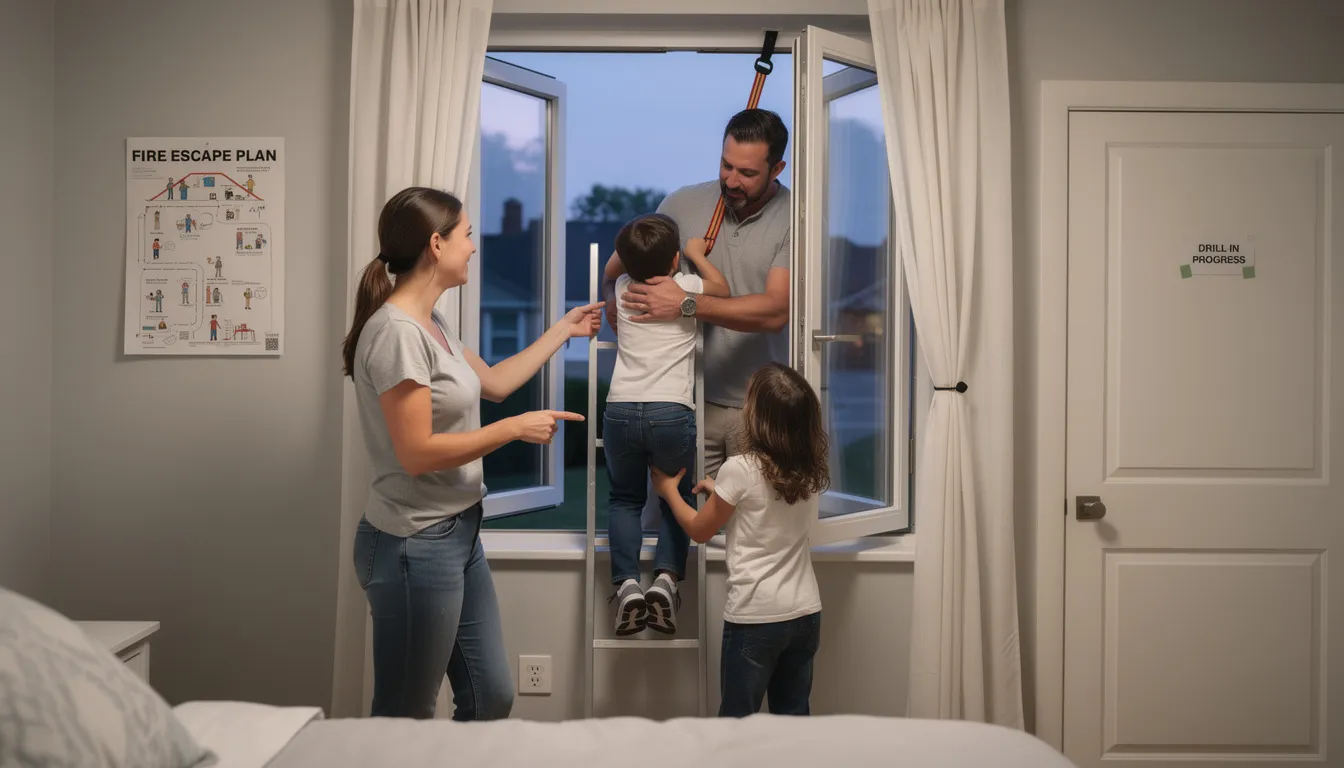
6. Use Window Ladders and Safety Devices Correctly
Portable fire escape ladders can make upper-story windows viable escape routes when interior stairs become blocked by smoke or flames. However, these devices only provide safety benefits when properly selected, maintained, and practiced with before emergencies occur.
Keep a tested, weight-rated fire escape ladder in each occupied upper-level bedroom. Store ladders where they are easily accessible from the escape window, not buried in closets or storage areas that may be impossible to reach during fires. Choose ladders rated for the combined weight of all users plus a safety margin.
Read manufacturer instructions completely and practice deploying the ladder from a safe, low height before trusting it in an emergency. Many escape ladders require specific hook placement or unfolding sequences that become difficult to remember under stress. Dry runs help identify any problems with ladder operation or window compatibility.
Window guards and fall prevention devices used to protect children must be quick-release models that can be opened from inside without tools or keys. Look for devices labeled as ASTM-compliant or specifically designed for fire safety. Traditional decorative bars or fixed metal grates can trap occupants during emergencies.
Never rely on improvised escape methods like knotted sheets, garden hoses, or unsecured ropes. These makeshift devices frequently fail under stress, causing serious injuries or deaths. Professional escape equipment undergoes testing for reliability and weight capacity that improvised solutions cannot match.
Test escape ladder deployment annually to ensure proper function and family familiarity. Replace any ladder showing rust, damaged hooks, or frayed components immediately. Remember that escape ladders are last resort devices – always attempt door exits first when safe to do so.
7. Upgrade Unsafe, Outdated, or Damaged Windows & Window Coverings
Damaged, deteriorated, or very old windows can fail catastrophically during emergencies, potentially trapping occupants or causing serious injuries during escape attempts. Recognizing when windows require replacement can literally save lives while also improving home comfort and security.
Look for these warning signs during your window assessment: rotted wood frames that crumble or feel soft, cracked or broken glass panels, corroded hardware that doesn’t operate smoothly, windows painted or caulked permanently shut, and single-hung units where the top sash drops unexpectedly.
Older windows may also lack tempered safety glass in locations where building codes now require it. When these windows break during emergencies, they create dangerous shards that can cause severe injuries during escape attempts.
Prioritize window replacement in bedrooms, basements, and stair landings when renovating your home. These locations are most critical for fire safety, and modern replacement windows can provide improved egress capabilities while meeting current safety standards. Look for units that open smoothly, provide adequate clear opening space, and include proper safety glazing.
Modern windows also reduce the need for temporary winter coverings like plastic film, eliminating seasonal fire safety compromises. Improved weather sealing and insulation mean you won’t need to choose between energy efficiency and emergency access during cold months.
Consult reputable local window professionals who understand both efficiency and safety requirements. Ask directly how proposed replacement windows will support fire escape capabilities and egress compliance. A quality contractor should be able to explain how new windows improve both comfort and life safety compared to existing units.
Consider window upgrades as an investment in comprehensive home safety rather than just energy savings. The peace of mind that comes from knowing your family has reliable escape routes available can justify the expense even beyond utility bill savings.
Consider upgrading to fire-retardant window treatments.
Looking for extra peace of mind? We offer fire-retardant blinds and shades—including roller and solar screens, verticals, and select Roman and cellular fabrics—made with FR-treated or inherently flame-resistant materials. Many options meet common commercial specs (e.g., NFPA 701); product spec sheets and certifications are available on request. Get the style, light control, and durability you want with an added layer of safety for homes, rentals, and offices.
Final Check: Turn Your Windows from Hazards into Lifelines
Windows become reliable lifelines during house fire emergencies only when they are operable, accessible, and integrated into practiced family escape plans. The difference between life and death often comes down to these seemingly small details that homeowners can address with one afternoon of focused attention.
Complete this 7-point safety checklist today:
• ✓ Every bedroom has a code-compliant egress window with adequate opening size • ✓ All escape windows have clear, unobstructed access paths
• ✓ Windows open and close smoothly without sticking or resistance • ✓ Seasonal hazards like plastic film and holiday decorations don’t block exits • ✓ Family escape plan includes practiced window routes and meeting places • ✓ Upper-story rooms have proper escape ladders and safety devices • ✓ Damaged or inadequate windows are scheduled for professional replacement
Walk through your house right now with this checklist and address any deficiencies immediately. Don’t wait until next weekend or next season – fires don’t wait for convenient timing.
Remember that window fire safety works best as part of a comprehensive home protection strategy. Combine these window safety measures with working smoke detectors in every room, regular fire drill practice, and maintained escape routes to create multiple layers of family protection. When every element works together, your windows transform from potential fire hazards into the emergency exits that could save your family’s lives.
