





 (
(
 (
(
 (
(
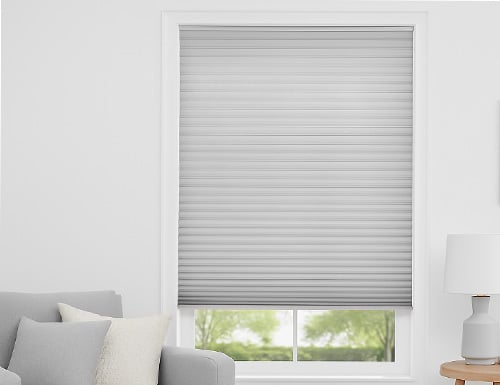
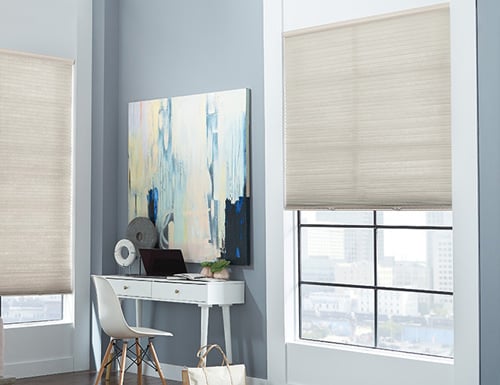
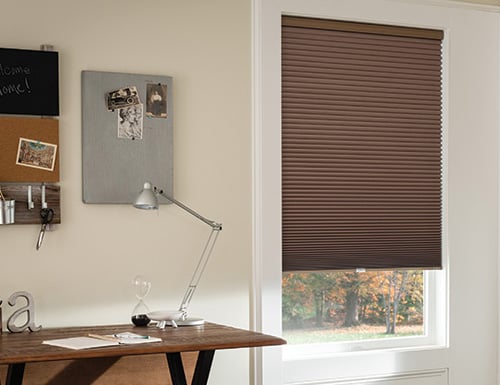
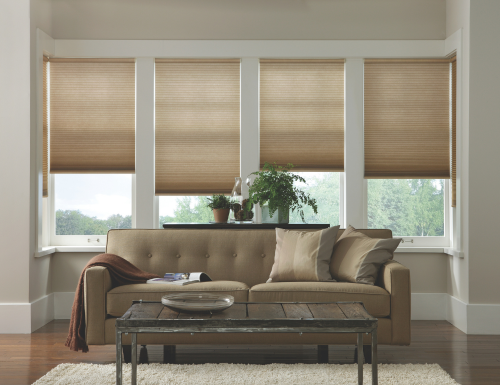
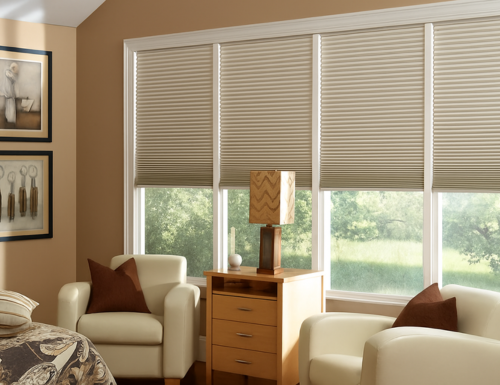
Custom Honeycomb Shades Made Simple
Free swatches mailed anywhere in the U.S., so you see color and texture at home. Made-to-measure production for inside or outside mount windows. Cordless and motorized lift options for safety and convenience. Clear, easy-to-find warranty and returns information before you buy. Responsive U.S.-based support for measuring, feature selection, and order checks. Nationwide shipping coverage with transparent timing for custom builds. Secure checkout, detailed order confirmation, and install resources to reduce mistakes and delays.
Find Your Best-Fit Cellular Shade (Fast)
Simply answer these two questions: Which room are you covering, and what is your light control goal? Based on where you are installing your new cellular blinds also determines the light control. Here are some ideas to help you choose:
- Bedrooms & Nurseries: Choose blackout for maximum darkness or room darkening for a softer sleep-friendly dim. Pair with double cell fabric for stronger comfort near glass, and cordless for kid-and-pet safety.
- Living Rooms: Light filtering keeps the space bright without feeling exposed. Top-down/bottom-up is ideal for daytime privacy while still letting sunlight in.
- Home Offices: Light filtering helps cut glare; room darkening can improve screen comfort for video calls or editing. Motorization is great for tall windows and daily open/close routines.
- Street-Facing Windows: Top-down/bottom-up or day/night lets you block sightlines while keeping the upper glass open.
- Hot, West-Facing Glass: Double cell plus room darkening reduces harsh afternoon brightness and makes rooms feel steadier.
Tell us your window width/height and whether you prefer inside or outside mount, and we will point you to the simplest, best-value option first.
If you’re unsure, start with light filtering double cell in main living areas, then add blackout only where darkness is the priority at night.
Light Control Options
- Light Filtering – Allows natural light to softly illuminate your room while maintaining privacy.
- Room Darkening / Blackout – Perfect for bedrooms, media rooms, or any space where you want to block unwanted light.
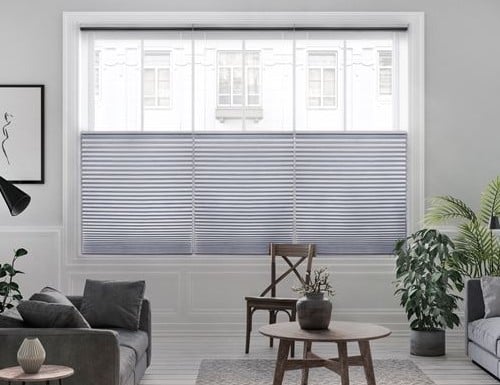
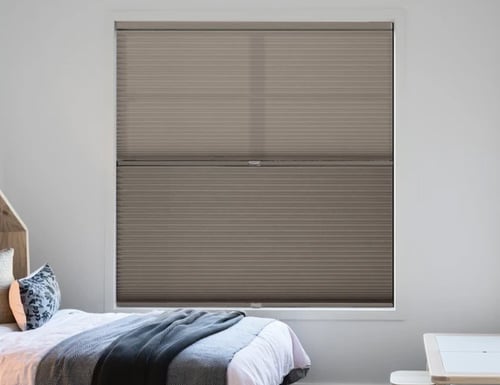
- Top Down / Bottom Up – Lower the shade from the top to let light in while keeping privacy at the bottom, or raise from the bottom like a traditional shade.
Built for Every U.S. Climate, From Desert Heat to Winter Drafts
Across the United States, window problems change by region, but the discomfort feels familiar: hot spots near sun-facing glass, chilly drafts in winter, and glare that makes rooms harder to use. In the Southwest and Mountain West, strong afternoon sun can spike room temperatures, especially on west-facing windows; honeycomb cellular shades help soften that solar punch and make the space feel steadier. Along humid Southern climates, they’re a practical way to manage privacy and light without turning a bright room into a cave. In the Midwest and Northeast, where cold snaps and windy days expose leaky trim and older frames, the cellular structure adds a buffer that can reduce that “cold-window” feeling.
Think of the cells as a built-in air layer. Single cell is slimmer and often the best value when you want a clean look with noticeable comfort gains. Double cell adds another layer, which is why many U.S. households prefer it for bedrooms, nurseries, large picture windows, and homes with big temperature swings between day and night.
Your best match depends on room use, sun direction, and how much privacy you need. If you tell Blinds Chalet your city, window orientation, and mount preference, we’ll help you choose fabrics and features that fit the way you live.
Honeycomb vs Pleated vs Roller Shades (What’s Different)
When shoppers search “cellular” online, these three styles are the usual mix-up.
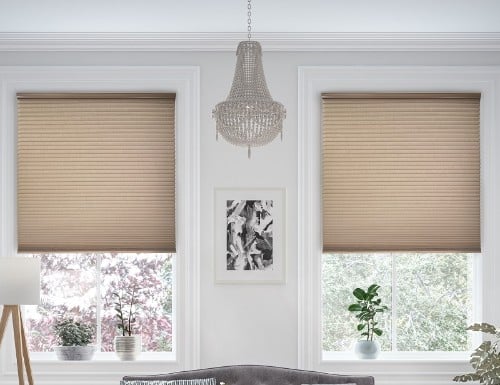
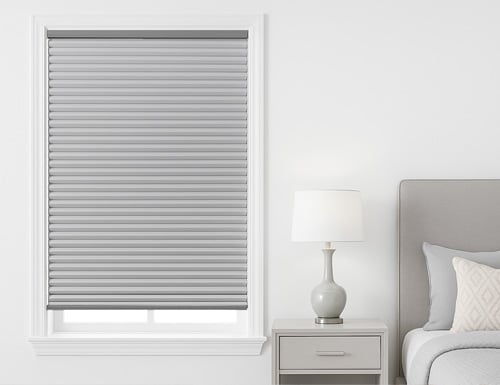
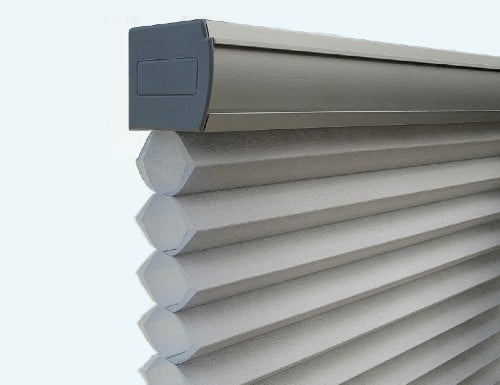
- Honeycomb / Cellular: Fabric forms air cells (a honeycomb). Those pockets help buffer temperature swings near windows and create a soft, tailored look.
- Pleated: One layer of fabric folded into pleats. Pleated shades can feel similar visually, but they don’t create the same air-pocket structure as true cellular shades. Learn more about cellular vs pleated shades.
- Roller: A flat panel that rolls on a tube. Rollers are sleek and simple, but they don’t provide cell-based insulation. Some roller shades have solar screen fabric that provides uv blocking without blocking the view, and so they are considered energy efficient shades. Read more about cellular vs roller shades
Quick comparison
- Most comfort near glass/ best insulation: Honeycomb
- Slimmest profile: Roller
- Classic soft-fabric budget pick: Pleated (depends on fabric)
If your priority is energy comfort, start with honeycomb. If you want a modern line for kitchens, roller is a choice. If you want soft fabric on a tighter budget, pleated can fit.
We categorize each into its own product page for easy reference, and so you don’t order a pleated or roller when you want genuine honeycomb cellular performance.
Product Comparison FAQs
Do pleated shades insulate like cellular shades?
Usually not. Pleated shades are commonly a single layer without air cells, so the comfort and insulation benefit is typically lower than that of honeycomb.
Are honeycomb shades bulky compared to rollers?
They stack a bit deeper than a roller, but modern cell sizes and correct inside-mount measurements keep the finished look clean and compact.
Which style is best for large windows?
Both rollers and cellular shades can work. Pick roller for the slimmest look, or cellular when comfort and flexible light control matter most.
Single Cell vs Double Cell vs Cell-Within-a-Cell
Cell count is one of the biggest performance levers in honeycomb shades, and it’s easier than it sounds.
- Single cell: One row of air pockets. It’s slimmer, stacks neatly, and is often the best value when you want comfort and privacy without adding extra thickness. Many living rooms, dining rooms, and kitchens start here.
- Double cell: Two layers of air pockets. This option typically feels more “stable” near glass in homes with big day-to-night swings, and it’s a popular upgrade for bedrooms, nurseries, and large picture windows. It can also support deeper dimming fabrics, depending on the material.
- Cell-within-a-cell (sometimes called “triple”): A smaller cell nested inside a larger one. It’s designed for maximum insulation and comfort, and it’s most useful when your windows are a known problem area—very sunny exposures, drafty frames, or rooms that are hard to keep comfortable.
We recommend the following: double cell in bedrooms and primary living spaces, single cell in secondary rooms, then upgrade only where you feel the window the most. Price usually rises with cell count, so choose performance upgrades only where you’ll notice them daily.
Learn more about the advantages of single vs double cell honeycomb shades
Cell Types FAQs
Will thicker cellular shades reduce my window depth clearance?
Sometimes. If you have shallow jamb depth or window cranks, a slimmer single cell or an outside mount can prevent rubbing and keep operation smooth.
Can I mix different cell counts in the same house?
Yes, and it’s common. Use double or cell-within-a-cell where comfort matters most, and single cell where you mainly want privacy and a clean look.
Does a higher cell count automatically mean better blackout?
Not automatically. Darkness depends on fabric opacity and side gaps; higher cell counts can help comfort, while blackout performance comes from the right material and fit choices. Single shade blackout fabric will block as much light as a double cell blackout fabric; a light filtering double cell fabric may block more light than a single cell light filtering fabric.
Light Control Options: Sheer, Light Filtering, Room Darkening, Blackout
Light control is about how you want a room to feel at different times of day. Here’s the practical difference.
- Sheer: Softens sunlight while keeping a bright, airy look. Great for spaces where you want daylight and a gentle glow, not darkness.
- Light filtering: Cuts harsh glare and maintains daytime privacy in most situations. It’s the go-to choice for living rooms, kitchens, and offices where you want natural light without feeling on display.
- Room darkening: Noticeably dims a room and reduces bright patches. Ideal for TV rooms, west-facing windows, and bedrooms where you want “dimmer,” not total night.
- Blackout: Built to block the most light through the fabric. Best for nurseries, shift-work sleepers, and bedrooms with streetlights or early sun.
Choose this if…
- You want daylight + privacy: light filtering or top-down/bottom-up
- You want dimmer afternoons: room darkening
- You want the darkest sleep setup: blackout, plus an outside mount or overlap for fewer edge gaps
We help you match fabric to the room, your privacy needs, and how sensitive you are to morning light. Color matters too: lighter fabrics keep rooms brighter, while darker tones feel moodier. If you’re undecided, swatches make the choice obvious in person.
FAQs about Light Control
Will light filtering provide privacy after dark with lights on inside?
It depends on the fabric and distance to the window. Many light-filtering options obscure details, but silhouettes can appear at night; room darkening and blackout fabrics improve privacy.
What should I pick for video-call glare in a home office?
Light filtering usually works best. It reduces harsh brightness while keeping the room usable, and it avoids the “cave” effect of darker fabrics.
Is “blackout” completely pitch black?
Blackout describes the fabric, not the edges. For the darkest result, pair blackout fabric with an outside mount or wider coverage to reduce side gaps. You can also add side light blockers or layer with drapery for added light control.
Top-Down/Bottom-Up and Day/Night: Privacy Without Losing Daylight
These two options solve the most common problem with window shades: you want sunlight, but you don’t want a clear view into your home.
Top Down Bottom Up
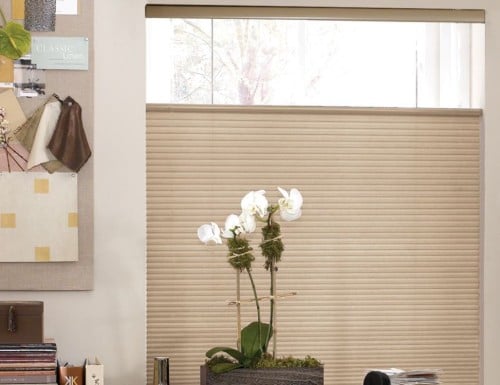
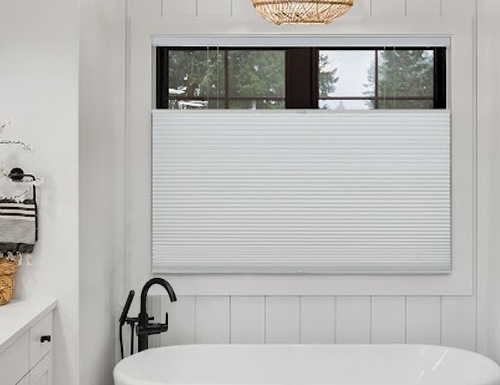
Top-down/bottom-up lets you move the shade from the top, the bottom, or both. That means you can open the upper portion to bring in daylight while keeping the lower portion closed for privacy, perfect for street-facing windows, bathrooms, and first-floor living spaces. It also helps when you want to block glare on a couch or desk without shutting the whole room down.
Day/Night
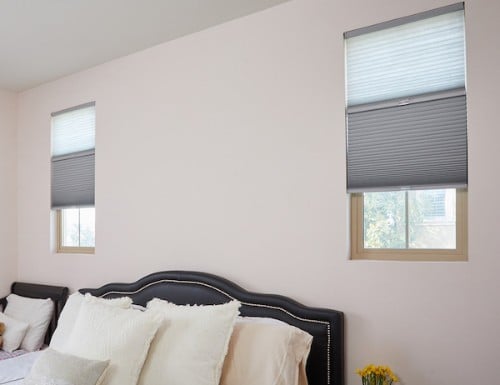
Day/night combines two fabrics in one shade, typically a light-filtering layer for daytime and a room-darkening or blackout layer for nighttime. It’s a simple way to avoid buying separate treatments while keeping your look consistent from room to room.
Privacy FAQs
Can I keep the bottom closed and open only the top?
Yes. That’s the main advantage of the top down bottom up option: you can let light in from above while maintaining privacy where people can see in.
Do day/night cellular shades look thicker at the window?
No, they are not thicker, but they can stack slightly more because two fabrics are involved, but with proper sizing, the finished profile still looks clean and tailored
Is top-down/bottom-up a good choice for bathrooms?
Often, yes. It allows airflow and daylight while keeping sightlines blocked, especially when paired with moisture-friendly fabric choices.
Lift Systems: Cordless, Continuous-Loop, and Motorized
The right lift system is about daily use, safety, and how your windows are positioned.
Cordless
Cordless is the most popular choice for many households because it removes dangling cords and keeps operation simple—raise or lower with a gentle push/pull. It’s a smart pick for kids’ rooms, pet-friendly homes, and high-traffic spaces where cords would snag.
Continuous Cord Loop
Continuous-loop uses a secured loop to raise and lower the shade with smoother control, especially on taller windows or heavier builds like double cell blackout. It’s often chosen when you want precise positioning and consistent tension.
Motorized
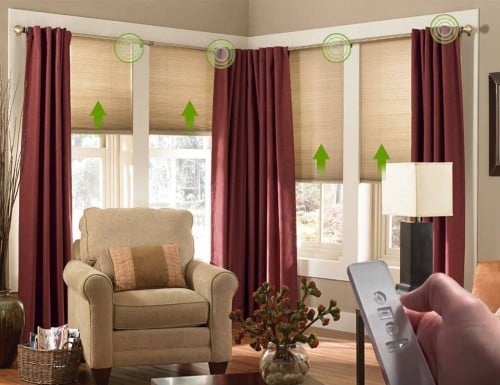
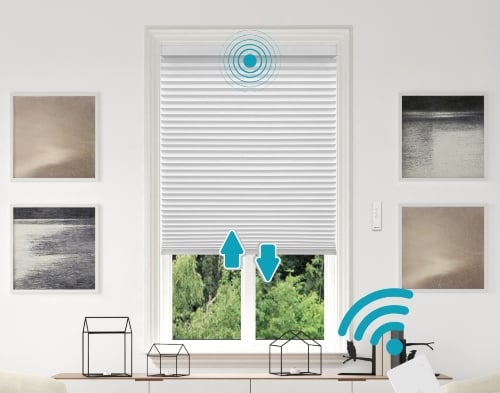
Motorized cellular shades are built for convenience on tall glass, wide spans, or hard-to-reach areas like stair landings. With a remote or app control (depending on the system), you can set routines for morning light and evening privacy without touching the shade. Many motorized options run on rechargeable or replaceable batteries, which keeps installation very straightforward.
For bedrooms, pair your lift choice with your light-control fabric so operation stays quiet and predictable when you’re half asleep.
Our website helps you pick a lift based on window height, daily frequency, and who uses the room most. If you want the safest, simplest default, go cordless; if your shade is large and you want effortless control, consider motorization.
Lift Control FAQs
Battery motorization or hardwired: what’s better for most homes?
Battery-powered is usually easiest because it doesn’t require wiring. Hardwired can be ideal during remodels when power is already planned.
Do cordless shades drift or slip over time?
Quality cordless systems hold position well. If a shade creeps, it’s often a tension adjustment or a sizing issue our team can troubleshoot.
Can I motorize only a few windows and keep others manual?
Yes. Many customers motorize the hardest-to-reach windows first and keep standard lifts elsewhere for budget balance.
Measuring & Fit: Inside Mount vs Outside Mount
Accurate measuring is what makes custom honeycomb shades look built-in instead of “almost right.” Start by choosing your mount style.
Inside Mount
Inside mount sits within the window frame for a clean, trim, finished look. It’s ideal when you have enough depth and you want the shade to feel recessed. Measure width in three spots (top, middle, bottom) and use the narrowest number. Measure height in three spots (left, center, right) and use the tallest number. This accounts for frames that are slightly out of square.
Outside Mount
Outside mount installs above or around the trim. Choose this option when your frame is shallow, when you want better light coverage, or when the window isn’t perfectly even. Measure the width you want to cover, then add extra on each side for improved privacy and reduced edge glow. Measure height from where the headrail will sit to where you want the shade to end (sill, below sill, or floor-length for doors).
Before you order, check for common window obstacles: crank handles, alarm sensors, deep locks, and protruding trim returns. Also note drywall waves or older wood frames that can pinch an inside-mounted shade. If anything sticks out, outside mount is often the safer fit. Quick checklist: confirm depth, note sill slope, verify clearance for handles, and decide where the shade should stop when fully lowered.
We help with a virtual consult or review your numbers if you share inside/outside choice, window type, and a quick photo. That extra step prevents the most common ordering mistakes.
Measuring FAQs
What if my measurements land on 16th fractions like 3/16 or 1/16?
Write them exactly as measured. Precision matters on inside mounts, and we’ll confirm how your selected product handles deductions. Round to the nearest 1/8", down for inside mount and up for outside mount.
How do I measure if my window trim is decorative or uneven?
Use the widest points you need to cover for outside mount, then choose a consistent top line so multiple windows align visually across your primary rooms
Should I measure glass size or frame size?
Measure the opening or coverage area, not just the glass. Glass-only sizing often leaves gaps and looks undersized once installed.
Do I need different measurements for top-down/bottom-up?
No, the window measurements are the same for a top down bottom up shade. Check individual products for specifications such as depth requirements.
Installation Overview (DIY-Friendly)
Most honeycomb cellular shades install with basic tools(see individual product for exact installation instructions): tape measure, pencil, level, and a drill/driver. Start by marking bracket locations, then pre-drill when needed so screws stay straight.
Step-by-step overview:
- Verify parts match your order (shade, brackets, screws, optional hold-downs).
- Mark bracket positions and keep the top line level.
- Mount brackets into solid backing when possible; use anchors only if you can’t hit wood.
- Snap the headrail into the brackets and check smooth operation.
- Add hold-downs on doors or windy openings if included.
- Test full raise/lower and confirm the shade stacks evenly.
Tip for fewer light gaps: outside mount can provide wider coverage, and a level install prevents one side from sitting higher. For inside mounts, confirm the headrail clears any window cranks or tilt latches before tightening screws. After installation, cycle the shade a few times so the fabric pleats settle, and the lift feels consistent.
If you want help, Blinds Chalet can guide bracket placement based on your mount choice and window type.
Installation FAQs
Do I need a second person to install?
For most standard windows, one person can do it. For wide spans or tall ladders, a helper makes alignment easier and safer.
What screws should I use if I’m mounting into wood trim?
Use the included screws if they bite firmly. If your trim is soft or thin, upgrading to slightly longer screws can improve hold.
Should I caulk around the brackets?
No. Caulk can interfere with serviceability. A clean, tight bracket install is the better approach.
Energy Efficiency Explained (Simple and Honest)
Honeycomb cellular shades improve comfort because their fabric cells trap air, creating a buffer between your room and the window. That air layer slows heat transfer, so spaces can feel less drafty in winter and less intense near sun-facing glass in summer. It’s one reason honeycomb shades are popular nationwide today.
Where it helps most in homes: rooms where you sit close to windows—beds, sofas, desks, and breakfast nooks. Single cell is a strong starting point for many households. Double cell adds another air layer and is a smart upgrade for bedrooms, nurseries, and large picture windows when you want steadier comfort.
Keep expectations realistic: shades support comfort, but they don’t repair leaky frames or failed seals. If you feel air movement, weatherstripping and frame fixes matter too.
We help you match efficiency goals to light control: light filtering for bright everyday comfort, room darkening for glare-heavy rooms, and blackout for sleep spaces when darkness is the priority.
Installation FAQs
Do cellular shades help with window condensation?
They can reduce cold-surface discomfort, but condensation depends on indoor humidity and window temperature. Ventilation and humidity control are the main fixes.
Is outside mount better for energy performance?
Often, yes. Outside mount can cover more edge area, which reduces small gaps where air and light can sneak around the shade.
Will adding side channels make a difference?
Side channels can reduce light leakage and drafts around the edges on some setups, especially for bedrooms, but they’re an upgrade best used where you’ll notice it daily.
Sound Comfort: What to Expect (and What Not to)
Honeycomb cellular shades can soften a room’s echo and slightly reduce the sharpness of outside noise because the cells add a cushioned air layer between you and the glass. In everyday terms, street rumble may feel less “bright,” and a nearby conversation outside can sound a bit more muted. That said, no window shade truly soundproofs. If your windows are single-pane, poorly sealed, or you have big gaps around the frame, those weak points will still pass a lot of noise.
Where you’ll notice the benefit most: street-facing bedrooms, nurseries, and home offices where you sit close to the window. Double cell styles can feel a touch calmer than single cell, and outside mount coverage can reduce edge gaps that let sound leak through. For the best real-world improvement, pair shades with good window seals and curtains only where you need extra dampening. It’s a comfort upgrade, not a studio-grade acoustic fix.
Materials, Durability, and Cleaning
Honeycomb shades are made from woven or nonwoven fabrics shaped into cells, then set to hold crisp pleats when raised. In everyday use they’re resilient, but the fabric can crease if crushed during moving, pulled at an angle, or forced past a snag. To extend life, lift evenly, keep rails clean, and avoid tugging the bottom rail.
For routine dust, use a microfiber cloth, a feather duster, or a vacuum with a soft brush attachment on low suction. For small spots, dab with a barely damp cloth and mild soap, then blot dry—never soak the cells or scrub hard. A lint roller works well for pet hair without flattening pleats.
In kitchens, keep shades away from greasy splatter zones when possible. In bathrooms, pick fabrics suited to moisture-prone rooms and run ventilation so humidity doesn’t linger. Blinds Chalet can recommend materials based on how the room is used, not just how it looks.
Cleaning FAQs
Can I use steam or a wet sponge to deep-clean cellular shades?
Avoid it. Steam and heavy water can deform cells, loosen adhesives, and cause spotting.
What should I do if a shade looks slightly wrinkled after shipping?
Hang it, then raise and lower it a few times. Most light wrinkles relax as the pleats settle. This is normal for fabric.
Style & Design: Colors, Textures, and Pleat Size
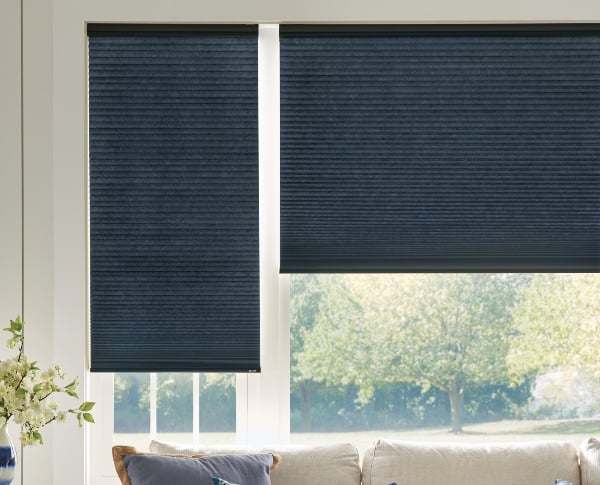
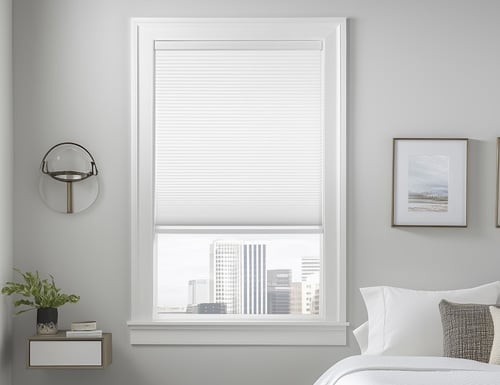
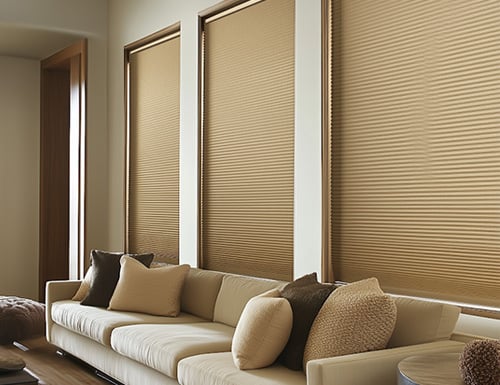
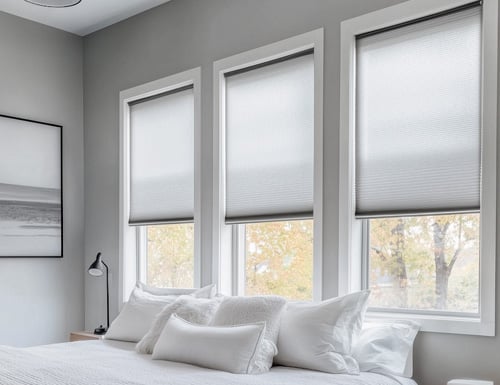
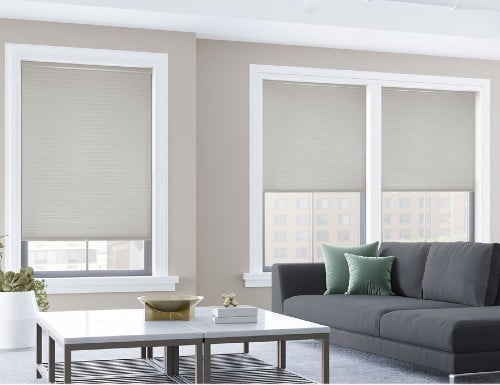
Honeycomb shades don’t just control light, they set the visual tone of a room. Start with color: soft whites and light neutrals keep spaces bright and make window trim feel crisp, while warm beiges and greiges blend with wood floors and creamy wall paints. Darker tones can look dramatic, but they also make the shade more noticeable, which is great when you want the window to feel framed as a design element.
Texture matters more than most shoppers expect. Smooth fabrics read modern and minimal, while linen-like weaves add warmth and hide minor dust better in busy rooms. If you’re matching multiple spaces, pick a consistent texture family first, then adjust the color room by room.
Pleat size affects proportion. Smaller pleats look tailored and refined on standard windows. Larger pleats can feel calmer on big picture windows because the lines don’t look “busy” from across the room. In open layouts, keeping pleat size consistent helps windows feel coordinated without looking identical. Learn more about cellular shade pleat sizes and what they mean
We can help you choose a fabric that fits your lighting, your decor style, and how close people sit to the glass, so the shade looks intentional in both daylight and evening lighting. For inside mounts, the shade reads like part of the frame, so lighter colors can widen the opening. For outside mounts, choose a shade color that complements your wall color, since you’ll see more fabric around the trim.
Pricing: What Drives Cost (and How to Get the Right Quote Fast)
Honeycomb cellular shade pricing isn’t a flat number because each shade is custom-made to your specifications. The biggest driver is size: wider and taller windows use more fabric and require sturdier rails. Next is performance: single cell vs double cell vs cell-within-a-cell—because added layers increase insulation and build complexity. Fabric choice matters too: blackout materials and textures usually cost more than basic light filtering. Feature upgrades can raise the total, especially top-down/bottom-up, day/night dual fabrics, and motorization.
A smart way to shop is to set a goal for each room first: privacy + daylight (light filtering), dim + glare control (room darkening), or sleep darkness (blackout). Then choose a cell count based on how much comfort you want near the glass, and pick a lift style based on safety and daily use. This order prevents paying for options you won’t use.
To get the right price quickly with Blinds Chalet, measure your window, choose inside or outside mount, and note obstructions like cranks, locks, or handles. If you’re unsure, a clear photo helps our team confirm fit and recommend the simplest build that meets your goal. Most price swings come from three choices—opacity, cell count, and lift type, so decide those first, and your quote becomes straightforward.
What Determines the Price?
Do bigger shades cost more, mostly because of width or height?
Both matter, but width often increases hardware strength requirements, while height increases fabric usage and lift load.
Is there a “best value” fabric choice for most rooms?
Light filtering is often the value pick because it delivers privacy and comfort without the added cost of blackout construction.
When does motorization become a smarter spend?
When windows are tall, high, or used daily; it prevents uneven pulls and makes routines easier.
Can I lower cost without lowering quality?
Yes, reserve premium upgrades for windows you use most, and keep secondary rooms simple.
Shop Honeycomb Cellular Shades by Need
Light Filtering Cellular Shades
Bright, everyday privacy with a soft glow. Best for living rooms, kitchens, and offices where you want daylight without harsh glare. Choose single cell for a slimmer look, or double cell when you sit close to the window and want steadier comfort.
Room Darkening Cellular Shades
A noticeable step down in brightness for TV rooms and sun-heavy exposures. Great for west-facing windows and open-plan spaces where you want fewer bright patches without fully blacking out the room. Double cell is a popular pairing for comfort near glass.
Blackout Cellular Shades
Designed for maximum darkness through the fabric, ideal for bedrooms, nurseries, and early-sun rooms. For the darkest setup, consider outside mount coverage to reduce edge light and select a lift system that stays stable with daily use.
Top-Down/Bottom-Up Cellular Shades
Get daylight from above while keeping privacy below. Perfect for street-facing front windows, bathrooms, and first-floor spaces where you want the room to feel open without inviting outside views. Pair with light filtering for daytime comfort.
Day/Night Dual-Fabric Cellular Shades
One shade, two modes. Use the light-filtering layer for daytime and switch to a darker layer at night for better sleep or movie time. This is a clean solution when one room needs flexibility without mixing multiple window treatments.
Cordless Cellular Shades
A streamlined, cord-free look that’s easy to operate and ideal for busy households. Cordless lift is a strong default when you want simple use across multiple rooms while keeping the window area uncluttered.
Motorized Cellular Shades
Best for tall, wide, or hard-to-reach windows, and for anyone who wants effortless routines. Motorization helps keep operation even on larger builds and makes it easy to set consistent privacy timing morning and night.
Energy-Focused Double Cell Picks
If your main goal is comfort, double cell is the category to start with. Choose it when you want more stability near the glass without changing the look of the room.
Value Single Cell Essentials
Single cell is often the best value when you want the honeycomb structure at a lower cost and slimmer depth. It’s a solid fit for secondary rooms or spaces where privacy matters more than maximum insulation.
Large Window and Patio Door Options
When windows get wide or doors see daily traffic, you need smooth operation and a build that stays aligned. Blind Chalet can recommend configurations that stack neatly, lift evenly, and keep coverage consistent where drafts and glare are most noticeable.
Specialty Shapes and Challenging Frames
Some homes have shallow depth, uneven trim, or obstructions like cranks and locks. If your window is tricky, start here—share photos and measurements and we’ll point you to an inside or outside mount approach that avoids rubbing and keeps the shade looking tailored.
Use the selectors above to choose your category, then customize size, fabric, and lift. If you want the simplest path, start with double cell light filtering in main living areas, add room darkening for glare-prone spaces, and reserve blackout for true sleep rooms. Order swatches first when you’re deciding between two colors in your own lighting.
Why Customers Choose Blinds Chalet
- Clear product guidance, not guesswork: We translate options like cell count, opacity, and lift type into plain recommendations based on how you use each room.
- Swatches that reduce returns: Seeing fabric at home in real daylight makes it easier to choose the right color and light-filtering level the first time.
- Custom sizing that looks built-in: Accurate production and a careful approach to inside vs outside mount helps shades sit straight and operate smoothly.
- Straight answers on comfort and light: We explain what cellular shades do well—temperature buffering, privacy, glare control—and where expectations should stay realistic.
- Options that fit modern households: Cordless and motorized choices make daily operation easier, especially for kids’ rooms, pets, tall windows, and routines.
- Support that stays with you: From measuring questions to install tips, our team helps you avoid the small mistakes that create big frustrations.
- Nationwide shipping coverage: We serve homes across the United States with transparent timing for custom builds and delivery.
- A clean, cohesive look across rooms: We help you match pleat size, texture, and color so your windows feel coordinated without being identical.
- Confidence before checkout: Easy-to-find warranty and return information, plus order review on request, so you know what you’re getting before it’s made every time.
About Blinds Chalet: Our Expertise in Honeycomb Cellular Shades
Blinds Chalet helps U.S. homeowners choose the right honeycomb cellular shade the first time, without jargon, upsells, or vague claims. Our team works with these products daily, so we focus on the decisions that actually affect satisfaction: inside vs. outside mount, cell count for comfort near the glass, fabric opacity for the room’s purpose, and lift choice for real-life routines. We explain what “blackout” means in practice, how to reduce edge light, and when outside mount coverage is the smarter fit. We back that guidance with practical tools: free swatches so you can judge color in your own daylight, step-by-step measuring tips, and an order review on request before production begins. After delivery, we provide installation guidance and troubleshooting help so your shade lifts evenly, stacks neatly, and looks finished from day one.
We also treat support as part of the product. If you share measurements and a photo, we can spot obstructions like cranks, deep locks, shallow jamb depth, or uneven trim that affect clearance. If you’re matching multiple rooms, we’ll guide you on consistent pleat size, texture, and color so the home feels cohesive.
When you buy from Blinds Chalet, you’re not just picking a shade; you’re using a process designed to eliminate surprises and reorders for your windows.
Shipping Coverage & Timelines
Blinds Chalet ships honeycomb cellular shades across the United States. Because shades are made to your measurements and specifications, timing includes two parts: production and transit. After your order is confirmed, your shade is built to spec, then packaged and handed to the carrier for delivery. Delivery times can vary by region, but we keep expectations clear by separating build time from shipping time and sharing tracking as soon as it’s available.
If you’re ordering for multiple rooms, we recommend one consolidated order so colors, textures, and hardware arrive together. Each order will ship individually by product type to ensure the fastest delivery.
For time-sensitive projects, order swatches early, finalize measurements, and submit your order once trim and paint are complete to avoid reorders caused by last-minute mount changes.
Do you ship to APO/FPO or U.S. territories?
We can often accommodate special addresses, but options vary by carrier and product size. Contact support with your address details for the best path.
Both matter, but width often increases hardware strength requirements, while height increases fabric usage and lift load.
How are oversized shades packaged to prevent damage?
Larger shades ship in cartons with internal supports to protect rails and keep pleats from crushing. Inspect packaging on arrival and report issues promptly.
Can I update my shipping address after ordering?
If production hasn’t started, we may be able to update it. Once a shade is in build or in transit, changes are limited, so reach out immediately.
Choosing the Right Shade
When selecting honeycomb shades, consider these factors:
- Cell Type – Single cell shades are lightweight and budget-friendly, while double cell shades offer superior insulation and noise reduction.
- Cell Shape – Traditional H-shaped cells or D-shaped cells; D-shapes hold their pleats better over time.
- Fabric Type – Spun lace fabric is softer and more insulating, while point bond is lightweight and economical.
- Pleat Size – Smaller pleats (3/8") create a more refined look and fit smaller windows; larger pleats (3/4") suit big windows with fewer folds.
Energy Efficiency Benefits
Custom Fit for Any Window
All of our cellular shades are custom-made to your exact measurements, ensuring a perfect fit for every window in your home. With hundreds of colors to choose from, you can coordinate your shades with your décor while enjoying the functional benefits of superior insulation and light control.
Honeycomb (Cellular) Shades - FAQs
What cell size should I choose (smaller vs larger pleats)?
How do I reduce side light gaps without changing my fabric?
Are honeycomb shades a good choice for bay windows?
Will cellular shade fabric fade in strong sun?
Can I use cellular shades on French doors?
Do cellular shades interfere with window sensors or alarms?
What’s the best approach for shallow window depth?
Can I pair cellular shades with curtains or drapes?
Are cellular shades a smart option for bathrooms?
How do I choose a color that matches white trim?
What should I do if my shade doesn’t sit evenly after install?
Do honeycomb shades work well on egress or emergency-exit windows?
How quickly do free swatches help you decide?
Can I order different opacity in the same color family?
What information should I send Blinds Chalet for the best recommendation?
What are honeycomb or cellular window shades and how do they work?
What’s the difference between single-cell and double-cell shades?
Should I choose light filtering, room darkening, or blackout fabric?
Can cellular shades be Top-Down/Bottom-Up (TDBU)?
Do you offer Day/Night cellular shades with two fabrics on one headrail?
Are honeycomb blinds available cordless or motorized for child safety?
How much can cellular shades help with energy efficiency and noise?
Inside mount or outside mount—what controls light gaps better?
How do I measure windows for honeycomb shades and what depth is required?
Will the street side of my cellular shade be white for a uniform exterior look?
Can honeycomb shades fit arches, angled windows, or skylights?
Are cellular shades OK for bathrooms or kitchens with humidity?
How do I clean honeycomb shades without damaging the cells?
Can cellular blinds cover wide windows or patio doors smoothly?
Are cellular shades compliant with modern child-safety standards?
What upgrades improve performance or finish on cellular shades?
Order Your Honeycomb Cellular Window Shades Today
With their combination of style, energy savings, and customizable features, honeycomb cell shades are a smart choice for any room. From casual to formal spaces, they deliver beauty, performance, and lasting value. Ready to choose your honeycomb cellular shades? Start with your room goal: bright privacy, dimmed comfort, or true sleep darkness. Then pick your mount (inside for a built-in look, outside for extra coverage) and select a lift that matches your routine. If you’re between two colors, order free swatches and view them morning, afternoon, and night under your own lighting. When you’re ready, shop by category above or message Blinds Chalet for a quick recommendation. Send your measurements and a photo, and we’ll confirm the simplest build that fits perfectly.
Discover our full line of custom shades and window blinds for every room in your home.
* Production lead times are only an estimate and does not apply to any colors that are out of stock. Production begins the following business day after ordering. Please allow additional time for shipping.