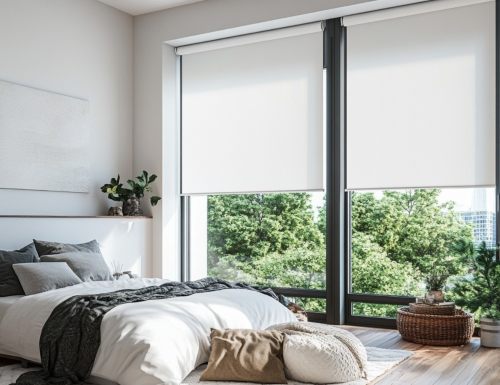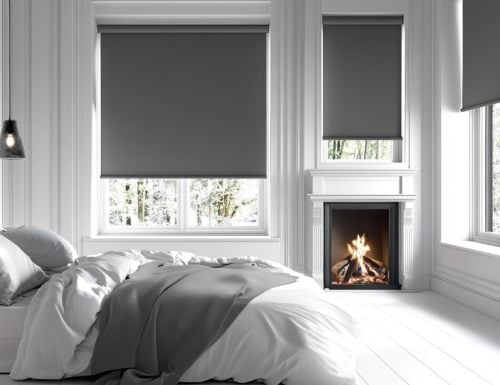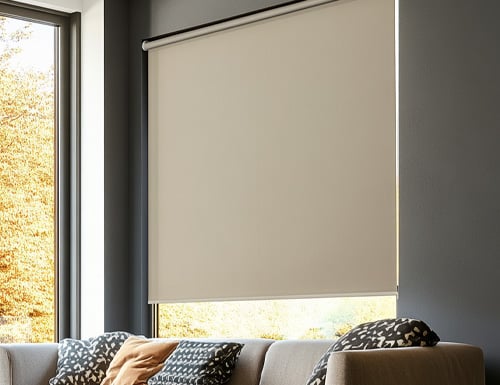








When comparing zebra shades vs dual roller shades, many homeowners are deciding between two modern window treatments that offer flexible light control. While both styles can combine sheer and room-darkening fabrics, they operate in very different ways. Zebra shades use layered fabric bands within a single shade to adjust daylight, while dual roller shades use two separate fabric rolls mounted in one bracket system.
Understanding how each shade functions can help you determine which solution works best for your home. Zebra shades are known for their modern layered appearance and adjustable light filtering, while dual roller shades provide two completely separate fabrics—often a light filtering shade and a blackout shade—for maximum versatility.
Compare styles and features across our full lineup of customizable window shades today.
What Are Zebra Shades?
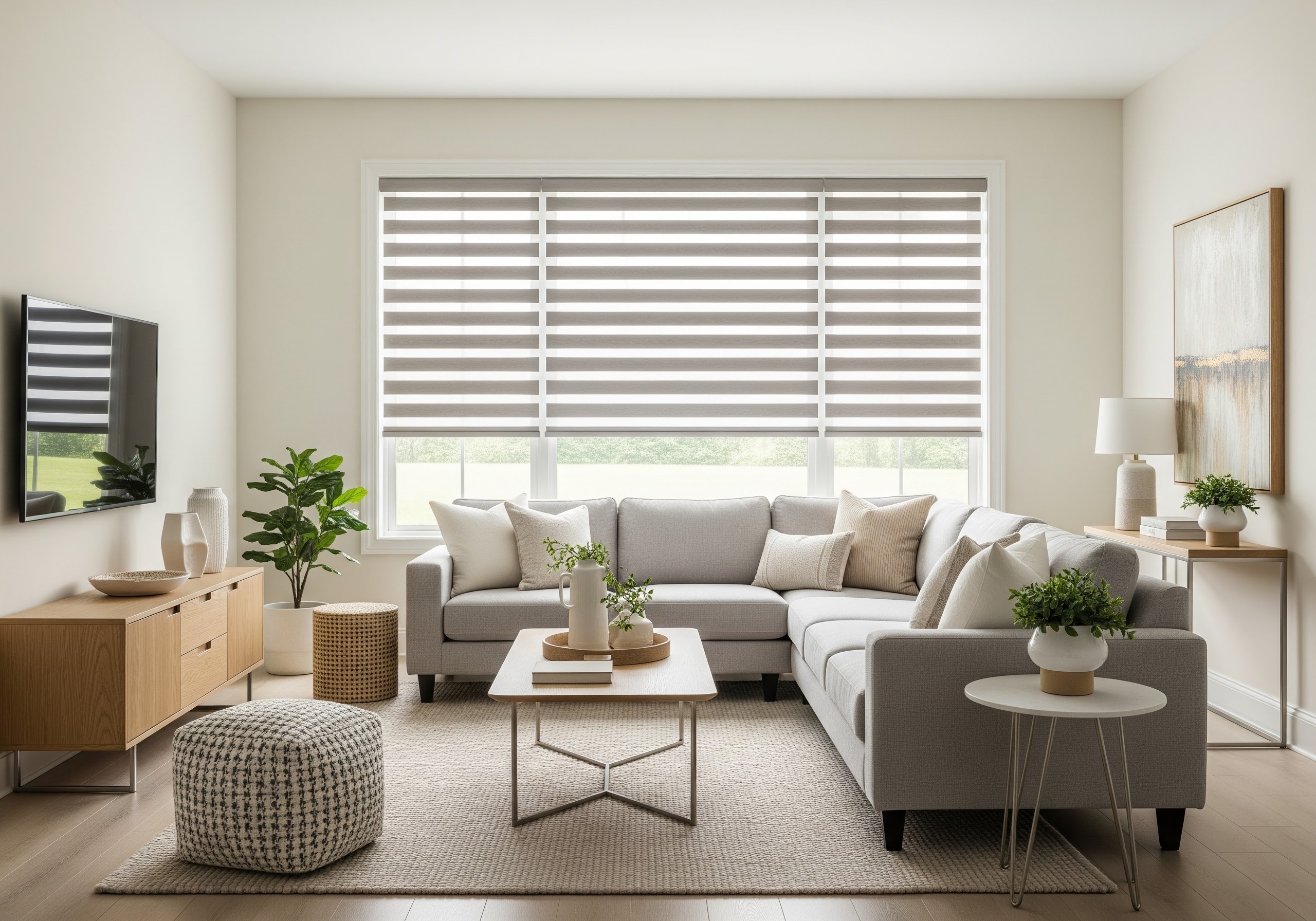
Zebra shades, sometimes called layered shades or banded shades, are a modern style of window shade made with alternating horizontal bands of sheer and solid fabric. These fabric layers move past each other as the shade is adjusted, allowing homeowners to control how much natural light enters the room without fully raising the shade. When the sheer bands align, filtered daylight passes through the window, and when the solid bands overlap, privacy increases.
Because of their layered design, zebra shades provide flexible light control while maintaining a sleek contemporary appearance. They are often used in living rooms, dining rooms, offices, and other spaces where homeowners want a balance of daylight, privacy, and modern interior design. Learn more about what zebra shades are
What Are Dual Roller Shades?
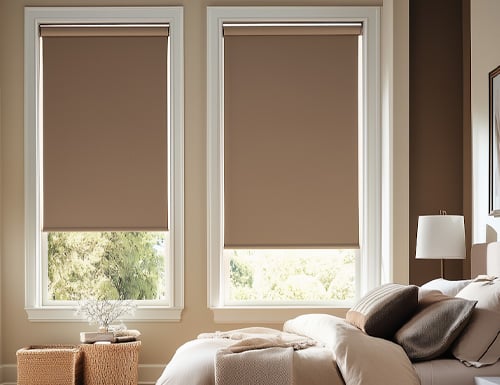
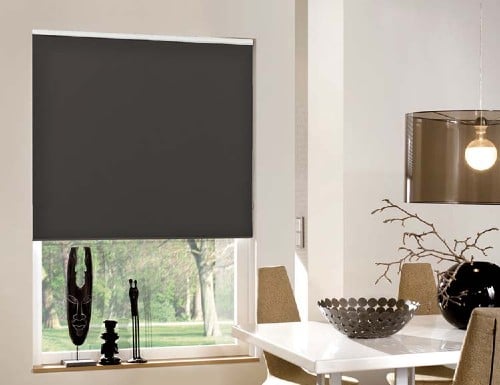
Dual roller shades are a window treatment system that combines two separate roller shades into one bracket or headrail. Typically, one shade is made with a light filtering fabric and the second shade uses a blackout or room-darkening material. This allows homeowners to switch between filtered daylight during the day and stronger light blocking when privacy or darkness is needed.
Unlike zebra shades, which use layered fabrics within a single shade, dual roller shades operate as two independent shades mounted together. This design provides maximum flexibility for light control, making dual roller shades a popular choice for bedrooms, living rooms, and media rooms where different lighting conditions are needed throughout the day.
What Is the Difference Between Zebra Shades and Dual Roller Shades?
The main difference between zebra shades and dual roller shades is how the fabrics operate and how light control is achieved. Zebra shades use a single shade made from alternating horizontal bands of sheer and solid fabric. As the shade moves, these layered bands slide past each other, allowing homeowners to adjust daylight levels without fully raising the shade.
Dual roller shades use two completely separate shades mounted within the same bracket system. Typically one shade is made with a light filtering or solar fabric, while the second shade uses a blackout or room darkening material. This allows the user to switch between two different window shades depending on the amount of light or privacy desired.
While zebra shades provide adjustable daylight through layered fabric bands, dual roller shades provide two distinct shade fabrics for maximum flexibility. Homeowners who want continuous light adjustment often prefer zebra shades, while those who want both daytime filtering and nighttime blackout may prefer dual roller shades.
Advantages and Disadvantages of Zebra Shades and Dual Roller Shades
Advantages of Zebra Shades
- Adjustable light filtering without raising the shade
- Modern layered design that adds visual interest
- Allows filtered daylight and partial outside visibility
- Operates as a single shade with smooth light adjustment
Disadvantages of Zebra Shades
- Typically does not provide complete blackout
- Limited insulation compared to some other window shades
- Light control depends on alignment of fabric bands
Advantages of Dual Roller Shades
- Two separate fabrics for maximum light control
- Often includes both light filtering and blackout shade options
- Flexible solution for day and night use
- Works well in bedrooms, media rooms, and living areas
Disadvantages of Dual Roller Shades
- Requires slightly more installation depth
- Operation involves switching between two shades
- May appear more functional than decorative compared to layered zebra shades
Zebra Shades vs Dual Roller Shades Comparison
| Feature | Zebra Shades | Dual Roller Shades |
|---|---|---|
| Shade Design | Single shade with layered sheer and solid bands | Two separate roller shades in one bracket system |
| Light Control | Adjustable by aligning layered fabric bands | Switch between light filtering and blackout shades |
| Privacy | Moderate privacy depending on band alignment | Strong privacy when blackout shade is used |
| Outside Visibility | Possible through sheer bands | Depends on selected fabric |
| Best Use | Living rooms, offices, modern interiors | Bedrooms, media rooms, multipurpose spaces |
| Appearance | Modern layered fabric design | Minimalist two-shade system |
| Light Blocking | Light filtering to room darkening | Light filtering plus full blackout capability |
| Operation | Single shade adjustment | Operate two independent shades |
Frequently Asked Questions About Zebra Shades vs Dual Roller Shades
What is the main difference between zebra shades and dual roller shades?
The main difference is how the fabrics operate. Zebra shades use alternating bands of sheer and solid fabric within a single shade that slide past each other to adjust light. Dual roller shades have two separate shades mounted on one bracket, typically a light filtering shade and a blackout shade.
Which offers better light control, zebra shades or dual roller shades?
Zebra shades allow you to fine-tune daylight by aligning the sheer and solid bands. Dual roller shades provide two completely different fabrics, allowing you to switch between a light filtering shade during the day and a blackout shade when more light control is needed.
Are dual roller shades better for blackout light control?
Yes. Dual roller shades typically include a dedicated blackout shade along with a second light filtering shade. This combination makes them a popular option for bedrooms, media rooms, and spaces where full light blocking is sometimes needed.
Do zebra shades allow outside visibility?
Yes. When the sheer bands align, zebra shades allow filtered daylight and partial outside visibility while the window remains covered.
Do dual roller shades take up more space than zebra shades?
Dual roller shades typically require slightly more mounting depth because two rollers are installed within one system. Zebra shades use a single roller mechanism, which may require less installation depth.
Are zebra shades or dual roller shades more modern?
Both styles are considered modern window treatments. Zebra shades are known for their layered striped design, while dual roller shades offer a sleek and minimalist appearance with two functional shade fabrics.
Can zebra shades and dual roller shades be motorized?
Yes. Both zebra shades and dual roller shades are available with motorization options that allow you to operate the shades with a remote control or compatible smart home system.
Which shade type is better for bedrooms?
Dual roller shades are often preferred for bedrooms because they include a blackout shade for nighttime privacy along with a light filtering shade for daytime use.
Are zebra shades easier to operate than dual roller shades?
Zebra shades operate as a single shade with adjustable fabric bands. Dual roller shades require selecting between two separate shades depending on the level of light control you want.
Which shade offers more flexibility?
Both offer flexibility in different ways. Zebra shades allow precise daylight adjustment using layered bands, while dual roller shades allow you to switch between two separate fabrics for different lighting conditions.
Compare Other Window Shades
Ready to upgrade your windows? Browse our full selection of custom roller shades to find the right style, fabric, and light control for your space.
You can also explore more topics in our roller shades expert advice center, including buying guides, comparisons, and design tips.

 (
(