







Choosing the right window treatment for your home requires understanding how different options balance energy efficiency, light control, privacy, and cost. When comparing solar vs cellular shades, you’re looking at two fundamentally different approaches to managing sunlight and maintaining comfortable indoor temperatures.
Solar shades excel at filtering harsh sunlight while preserving your outdoor view, making them ideal for living spaces where natural light and visibility matter most. Cellular shades prioritize insulation and privacy through their innovative honeycomb structure, delivering superior energy efficiency and complete light control when needed.
This comprehensive guide examines every aspect of solar and cellular shades to help you make an informed decision for your specific needs and budget.
Shop both cellular honeycomb shades and solar screen shades options. Compare styles and features across our full lineup of customizable window shades today.
Solar vs Cellular Shades: Quick Comparison
- Solar shades excel at blocking UV rays (up to 99%) while maintaining outdoor views through mesh-like fabric.
- Cellular shades provide superior insulation with honeycomb air pockets, reducing energy costs by 15–25%.
- Solar shades offer limited nighttime privacy but cost 20–40% less than cellular options.
- Cellular shades deliver complete privacy and blackout capabilities but block all outdoor visibility when closed.
- Choose solar shades for glare control with view preservation; choose cellular shades for energy efficiency and privacy.
| Feature | Solar Shades | Cellular Shades |
|---|---|---|
| UV Protection | Up to 99% blocking | 98–99% with blackout options |
| View Preservation | Excellent during day | None when closed |
| Energy Efficiency | Moderate heat reduction | Superior insulation (R-values 2.0–5.0+) |
| Privacy | Limited at night | Complete options available |
| Cost Range | $3–8 per sq ft | $4–12 per sq ft |
| Best For | Living rooms, offices | Bedrooms, nurseries |
What Are Solar Shades
Solar shades represent a modern approach to window treatments, featuring tightly woven polyester or fiberglass fabric that filters sunlight while maintaining transparency. Unlike traditional window coverings, solar shade fabric creates a screen-like barrier that reduces glare and blocks harmful UV rays without completely eliminating natural light.
The effectiveness of a solar shade depends on its openness factor, which ranges from 1% (maximum sun protection) to 14% (maximum view and light). Popular openness levels include 3%, 5%, and 10% for balancing protection and visibility. A 3% openness solar shade blocks more sunlight but offers slightly reduced outdoor visibility, while a 10% openness shade maintains clearer views with moderate sun protection.
Solar shades operate on simple roller mechanisms that can be manual, cordless, or motorized. The straightforward design makes them an affordable option for homeowners seeking effective sun control without complex installation requirements. Interior solar shades mount inside the window frame, while exterior versions provide even greater heat reduction by blocking sunlight before it enters your home.
These window treatments excel at blocking UV rays that cause furniture fading and skin damage within 10–15 feet of windows. The specialized fabric construction reflects and absorbs solar energy, significantly reducing unwanted solar heat gain during peak sunlight hours while preserving your connection to the outdoors.
Learn more: What are solar screen shades
What Are Cellular Shades
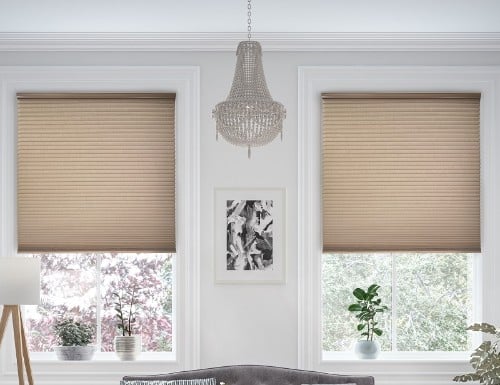
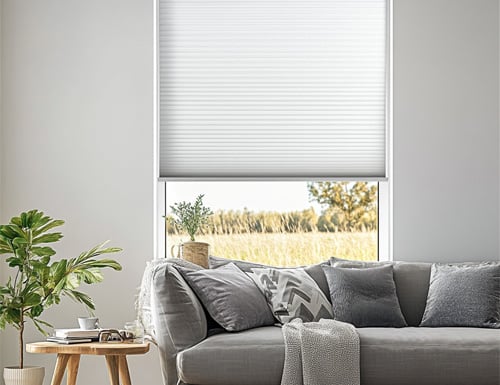
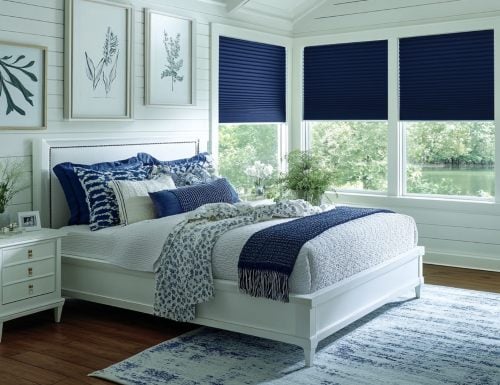
Cellular shades, also known as honeycomb shades, feature distinctive honeycomb cells made from pleated fabric that trap insulating air. This honeycomb structure traps air within individual cells, creating an effective thermal barrier that helps maintain indoor temperatures year-round.
Available in single-cell (½"), double-cell (?" and ¾"), and triple-cell (½") configurations, these energy efficient window treatments offer varying levels of insulation performance. Double cell shades provide enhanced energy efficiency compared to single-cell options, while triple-cell versions deliver maximum insulation for extreme climates.
Fabric options range from sheer and light-filtering to room-darkening and blackout cellular shades. R-values range from 2.0 (single-cell) to 5.0+ (triple-cell) for thermal insulation measurement, making them some of the most energy efficient options available. The higher the R-value, the better the shade’s ability to resist heat transfer.
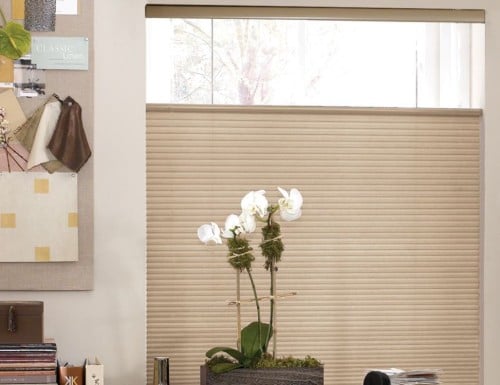
Cordless, top-down/bottom-up, and motorized shade operating systems are available for enhanced functionality. Top-down/bottom-up configurations allow you to lower the shade from the top or raise it from the bottom, providing privacy at eye level while maintaining light from the upper portion of the window.
Cellular shades help reduce energy bills through their superior insulation properties, with the Department of Energy noting that properly installed cellular shades can reduce heating energy consumption by approximately 10% or more. This makes them particularly valuable in climates with extreme temperatures where heating and cooling costs represent significant portions of energy bills.
Learn More: What are Cellular Shades
Key Comparison Factors
Energy Efficiency and Insulation
When evaluating solar vs cellular shades for energy conservation, cellular shades clearly lead in insulation performance. Cellular shades insulate windows by creating dead air spaces within their honeycomb cells, reducing heat transfer in both summer and winter conditions.
Cellular shades reduce heating costs by up to 40% in winter and cooling costs by 60% in summer, according to industry studies. Triple-cell cellular shades achieve R-values of 5.0+, comparable to storm windows in their thermal performance. The honeycomb structure traps air effectively, creating multiple barriers against temperature transfer.
Solar shades provide a different type of energy efficiency by reducing heat gain through solar control. They can reduce unwanted solar heat by 65–85% during peak sunlight hours, but provide minimal winter insulation with R-values under 1.0. Solar shades provide excellent protection against direct sunlight that would otherwise increase cooling loads.
The Department of Energy recommends cellular shades for maximum year-round energy savings, particularly in climates with significant heating and cooling demands. The payback period for cellular shades typically ranges from 3–5 years through reduced utility bills, while solar shades offer immediate comfort benefits with moderate energy cost reductions.
For homeowners prioritizing long-term energy savings, cellular shades offer superior performance. However, in mild climates where heat control matters more than insulation, solar shades can provide adequate energy efficiency at lower upfront costs.
Light Control and Privacy
Solar shades and cellular shades take fundamentally different approaches to light control and privacy management. Solar shades maintain daytime privacy while allowing clear outward visibility and natural light to filter through their specialized fabric weave.
During daylight hours, solar shades function like one-way glass, enabling you to see out while preventing others from seeing in clearly. However, solar shades become transparent at night when interior lights are on, revealing indoor activities to outside observers. This limitation makes them less suitable for bedrooms and private spaces where nighttime privacy is essential.
Cellular shades offer four distinct opacity levels: sheer, light-filtering, room-darkening, and blackout options. Light filtering cellular shades diffuse harsh sunlight while maintaining some natural illumination, while blackout cellular shades block 99%+ of light for complete darkness when needed.
The versatility of cellular shades extends to their operational flexibility. Top-down/bottom-up cellular shades allow privacy at eye level while maintaining upper window light, making them perfect for ground-floor rooms facing busy streets. You can control exactly how much light enters your room’s interior while maintaining the privacy level you prefer.
For media rooms, nurseries, and bedrooms where complete blackout is desired, cellular shades provide unmatched light control. Solar shades excel in living spaces where maintaining outdoor views and natural light takes priority over complete privacy control.
Cost Considerations
Understanding the financial aspects of solar or cellular shades involves both upfront investment and long-term value considerations. Solar shades typically cost $3–8 per square foot depending on fabric quality and openness factor, making them the more affordable option for initial purchase.
Cellular shades range from $4–12 per square foot based on cell configuration and fabric opacity. Single-cell options represent the lower end of this range, while double-cell shades and triple-cell configurations command premium pricing. Blackout options and motorized features add to the overall investment.
Motorization adds $150–300 per shade for both types, with smart home integration options available for tech-savvy homeowners. Installation costs average $75–150 per window for professional mounting, though many homeowners can install basic versions themselves.
While cellular shades require higher initial investment, their energy savings potential creates long-term value. Many homeowners find that cellular shades’ energy efficiency benefits offset the additional upfront costs within 3–5 years through reduced heating and cooling expenses.
Solar shades offer immediate value through glare reduction and furniture protection, though their energy savings are more modest. For budget-conscious homeowners seeking basic sun control, solar shades provide an affordable option that delivers meaningful benefits without significant investment.
Durability and Maintenance
Both solar and cellular shades offer good longevity when properly maintained, though their care requirements differ significantly. Solar shade fabrics last 7–10 years with proper care before showing UV degradation signs, while cellular shades maintain appearance and function for 10–15 years with minimal wear.
Solar shades require monthly dusting and annual deep cleaning with mild soap solution. Their screen-like fabric makes cleaning relatively straightforward—most dirt and debris can be removed with a vacuum brush attachment or damp cloth. The simplicity of solar shade construction means fewer moving parts that could require repair.
Cellular pleats need gentle vacuuming every 2–3 months and spot cleaning for stains. The honeycomb cells can trap dust and debris, making thorough cleaning more challenging. However, many cellular shades feature anti-static treatments that resist dust accumulation.
Both shade option types benefit from annual professional inspection for cord and mechanism safety, particularly important for homes with children. Cordless options eliminate safety concerns while maintaining full functionality.
The durability advantage goes to cellular shades for their robust construction and longer lifespan. However, solar shades offer easier maintenance and simpler repair when issues arise, making them attractive for busy households seeking low-maintenance window treatments.
Pros and Cons Analysis
Solar Shades Advantages and Disadvantages
Solar shades deliver several compelling advantages that make them ideal for specific applications. They preserve outdoor views while reducing glare by 95%, creating comfortable indoor environments without sacrificing your connection to the outdoors. This makes them perfect for living spaces where maintaining outdoor visibility is a primary concern.
The UV protection benefits of solar shades extend beyond comfort to furniture and flooring preservation. By blocking harmful UV rays, these window treatments prevent fading and deterioration of carpets, furniture, and artwork positioned near large windows. This protection can save thousands of dollars in replacement costs over time.
Lower upfront costs make solar shades accessible to more homeowners, typically costing 20–40% less than comparable cellular options. The easy cleaning process requires minimal time investment, while their sleek modern appearance complements contemporary home designs. Solar shades are available in hundreds of colors and textures to match any decorating scheme.
However, solar shades have notable limitations. Limited nighttime privacy means they’re unsuitable for bedrooms and private spaces where evening privacy matters. Their minimal insulation properties provide little help with energy bills compared to cellular alternatives, and they offer no blackout capability for rooms requiring complete darkness.
Fabric degradation from constant UV exposure eventually requires replacement, typically every 7–10 years. Solar shades are also less suitable for bedrooms requiring darkness for quality sleep, making them primarily daytime-focused window treatments.
Cellular Shades Advantages and Disadvantages
Cellular shades offer superior insulation reducing energy bills, making them one of the most cost-effective home improvements for long-term energy conservation. Their excellent insulation properties help reduce heat transfer by 40% or more, translating to meaningful savings on monthly utility costs.
Complete privacy options make cellular shades perfect for bedrooms, bathrooms, and other private spaces. The light control versatility ranges from sheer fabrics that gently filter light to blackout options that create complete darkness. This flexibility allows homeowners to customize each room’s lighting environment precisely.
Additional benefits include sound dampening properties that reduce noise transmission, child-safe cordless options that eliminate strangulation hazards, and availability in custom shapes for unusual window configurations. The long lifespan of cellular shades makes them a smart long-term investment.
Cellular shades tend to have some drawbacks that limit their appeal in certain situations. They block outdoor views when closed, eliminating your connection to the outdoors during use. The higher initial investment can strain budgets, particularly for whole-home installations.
More complex cleaning requirements make maintenance more time-consuming, as dust can accumulate within the honeycomb cells. There’s also potential for cell damage if handled roughly, and limited transparency options compared to solar shades mean less flexibility in view preservation.
Which Shade Type Should You Choose
Selecting between solar and cellular shades requires analyzing your specific needs, room usage, and priorities. The right window treatment depends on several key factors that vary by room and household requirements.
Select solar shades for living rooms, kitchens, and offices where maintaining outdoor views is a priority. These spaces benefit from natural light and connection to the outdoors while requiring protection from harsh sunlight and glare. Solar shades excel in rooms where daytime occupancy is primary and nighttime privacy is less critical.
Choose cellular shades for bedrooms, nurseries, and home theaters requiring darkness and energy efficiency. These spaces prioritize privacy, light control, and temperature management over outdoor visibility. Cellular shades help create optimal sleeping environments while contributing to energy conservation.
Consider solar shades for south and west-facing windows with intense afternoon sun exposure. These orientations receive the harshest sunlight and benefit most from solar heat reduction and glare control. The ability to maintain views while reducing unwanted solar heat makes solar shades ideal for these challenging exposures.
Opt for cellular shades in climates with extreme temperatures and high heating/cooling costs. Their superior insulation properties provide the greatest energy savings in areas where temperature control represents significant household expenses. Cold air infiltration and heat loss reduction make cellular shades particularly valuable in northern climates.
A combination approach works well for many homeowners: solar shades for common areas where views and natural light matter, cellular shades for private rooms requiring darkness and energy efficiency. This strategy maximizes the benefits of both window treatment types while addressing each room’s specific needs.
Consider your budget timeline when making decisions. Solar shades provide immediate benefits at lower upfront costs, while cellular shades require higher initial investment but deliver long-term energy savings that can justify the additional expense.
Best Openness Factor for Homes
One of the most important decisions when choosing solar shades is selecting the right openness factor. Openness factor refers to how tightly woven the shade fabric is and determines how much light, heat, and visibility passes through the material. Common openness options include 1%, 3%, 5%, and 10%.
For most homes, a 3% to 5% openness factor offers the best balance between glare reduction, UV protection, and preserving outdoor views. A 3% openness provides stronger sun control and greater daytime privacy, making it ideal for rooms with intense sunlight exposure. A 5% openness allows more natural light into the room while maintaining visibility to the outdoors.
Lower openness factors, such as 1%, block more heat and glare but reduce outward visibility and create a darker appearance inside the room. Higher openness factors, such as 10%, preserve views exceptionally well but may allow too much glare in bright spaces. Learn more about Solar Screen Openness Amounts and What they Mean.
Cellular shades, by comparison, do not use openness factors because they are designed primarily for insulation and privacy rather than view-through performance. If maintaining a connection to the outdoors is important, solar shades are often the better option.
Solar Shades for West-Facing Windows
West-facing windows receive some of the harshest sunlight during the afternoon and evening hours. This direct sunlight can create excessive heat buildup, uncomfortable glare, and fading on furniture, flooring, and electronics. Solar shades are specifically designed to address these issues while still allowing natural light into the room.
For west-facing windows, solar shades with a lower openness factor—typically 1% or 3%—provide the best performance. These tighter weaves help reduce solar heat gain and minimize harsh afternoon glare without completely blocking the outside view.
Solar shades are especially effective in:
- Living rooms with large windows
- Home offices
- Rooms with televisions or screens
- Modern homes with expansive glass walls
Cellular shades can also perform well on west-facing windows because of their insulating honeycomb construction. However, cellular shades completely block or heavily obscure the outdoor view when lowered. Homeowners who want energy efficiency while still preserving natural light and visibility often prefer solar shades for west-facing rooms.
Solar Shades for Computer Glare
Computer glare is a common problem in home offices and workspaces with large windows. Direct sunlight reflecting off computer monitors can cause eye strain, headaches, and reduced screen visibility throughout the day.
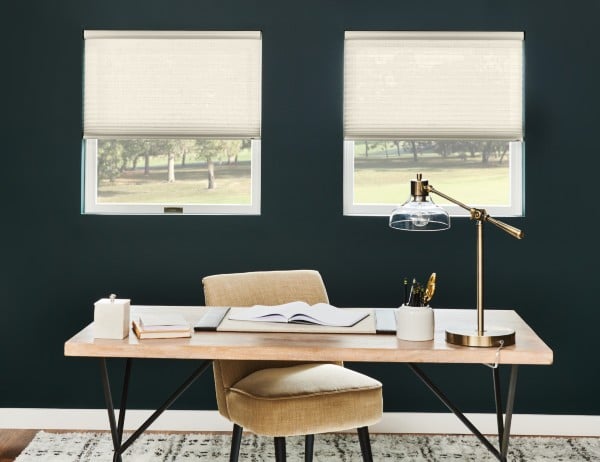
Solar shades are one of the best window treatments for reducing computer glare because they diffuse harsh sunlight while still allowing natural daylight into the room. Unlike blackout shades or heavy drapery, solar shades help maintain a bright and comfortable workspace without creating a dark environment.
A 1% or 3% openness factor is typically recommended for computer glare reduction because these fabrics block a greater percentage of direct sunlight and UV rays. Darker solar shade fabrics also tend to provide better glare control than lighter-colored fabrics.
Cellular shades can eliminate glare effectively when fully lowered, but they also block outside visibility and significantly reduce natural light. Solar shades offer a more balanced solution for people who want to reduce glare while maintaining an open, modern feel in their workspace.
Solar Shades for Preserving Views
One of the biggest advantages of solar shades is their ability to preserve outdoor views while still reducing glare and UV exposure. The specially engineered screen fabrics filter sunlight without completely blocking visibility to the outside during daytime hours.
This makes solar shades an excellent choice for:
- Homes with scenic views
- Large picture windows
- Sliding glass doors
- Condos and high-rise apartments
- Modern open-concept spaces
The level of view preservation depends largely on the openness factor. Higher openness fabrics, such as 5% or 10%, maintain clearer outdoor visibility, while lower openness factors provide more privacy and glare reduction.
Cellular shades prioritize insulation and privacy instead of visibility. When lowered, they typically block most or all outside views. Homeowners who value natural light and unobstructed scenery often choose solar shades because they provide a cleaner, less enclosed feel throughout the day.
For rooms where both view preservation and energy efficiency are important, solar shades can offer an ideal middle ground between openness and performance.
Explore More
- Expert Advice about Cellular Shades
- Compare Roller Shades vs Cellular Shades
- Expert Advice about Solar Screen Shades
- Expert Advice about Roller Shades
Frequently Asked Questions
Can solar shades be layered with other window treatments for enhanced privacy and insulation?
Do cellular shades work effectively on large windows without sagging over time?
Which shade type performs better in humid climates like Florida or coastal regions?
Are there fire-resistant options available for both solar and cellular shade materials?
What warranty coverage typically comes with solar shades versus cellular shades from major manufacturers?
Compare styles, fabrics, and lift options in our collection of cellular and honeycomb shades to find the right solution for your windows.
Still researching your options? Check out our cellular shades buying guides for in-depth articles to help you choose with confidence.

 (
(
 (
(