







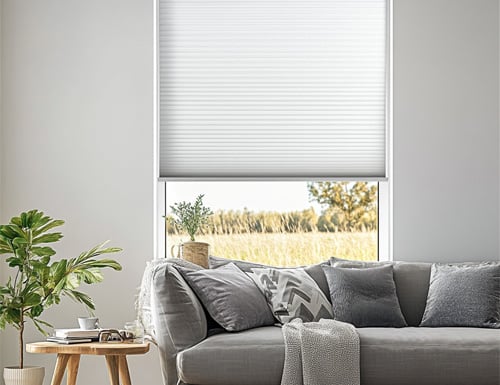
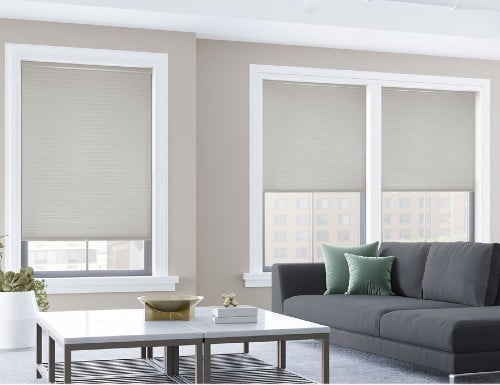
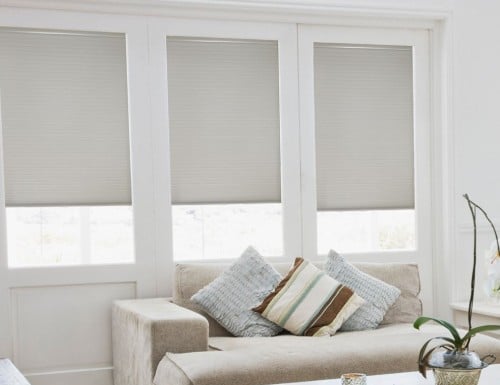
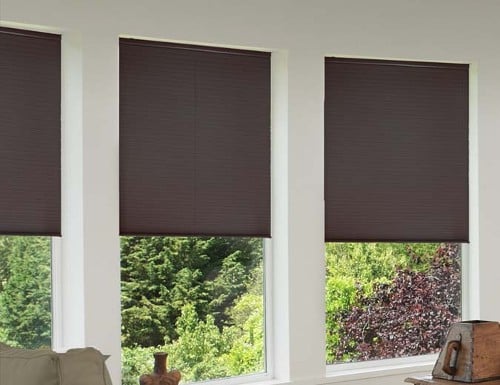
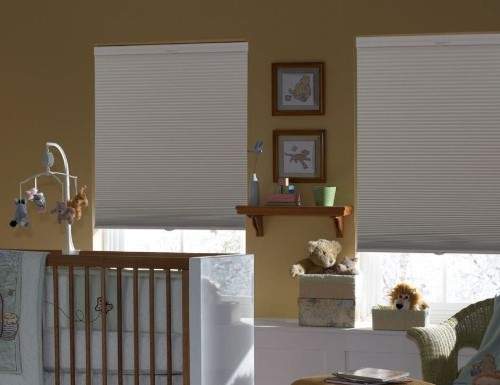
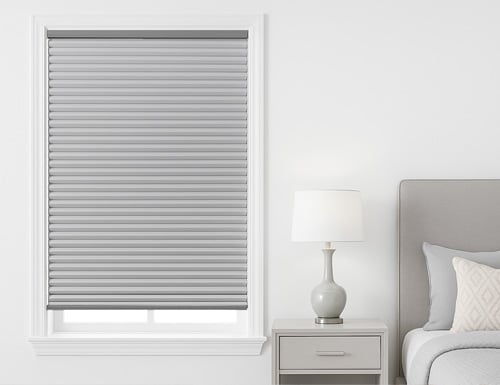
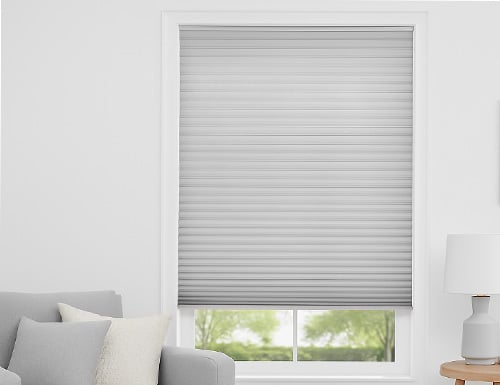
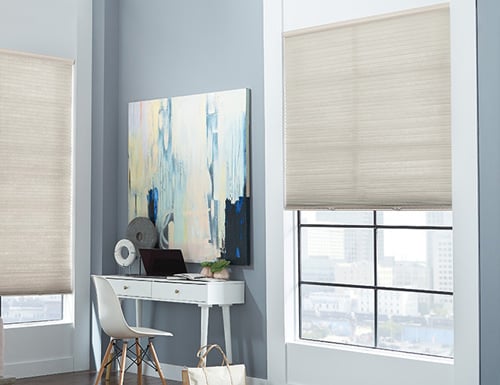
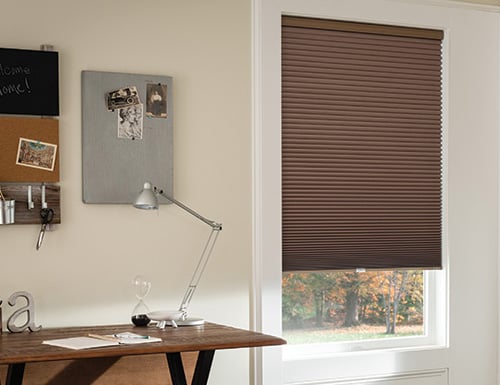
Sound Absorbing Honeycomb Shades
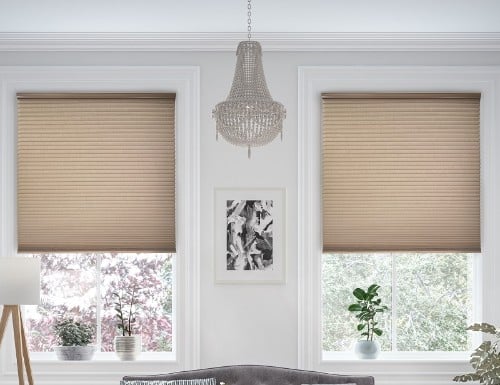

 (
(
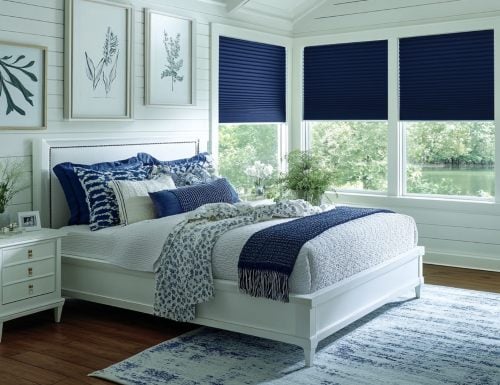
 (
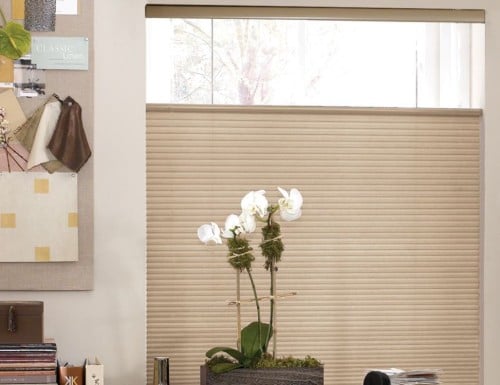
(
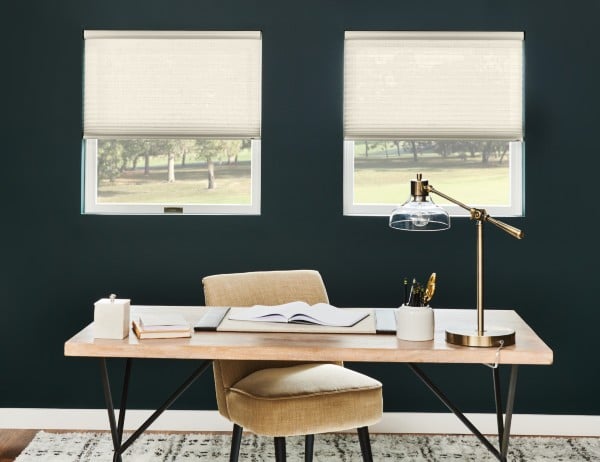
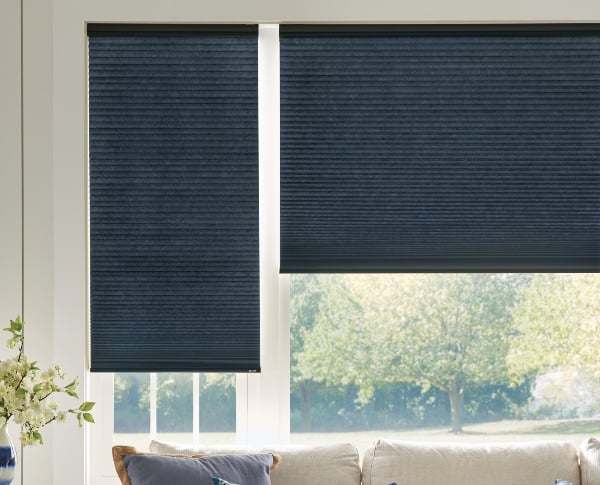
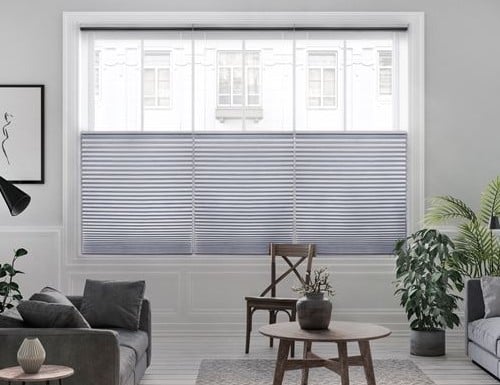
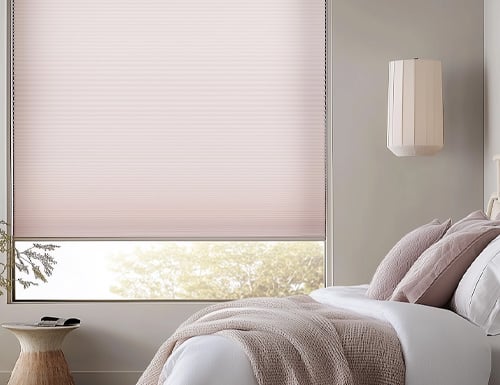
 (
(
Sound Absorbing Fusion Shades
Many people who want to block sound using blinds live in big cities or noisy neighborhoods. Typically, they are looking to block sounds from trains, roads, traffic, or loud neighbors. This is a more common problem than you think.
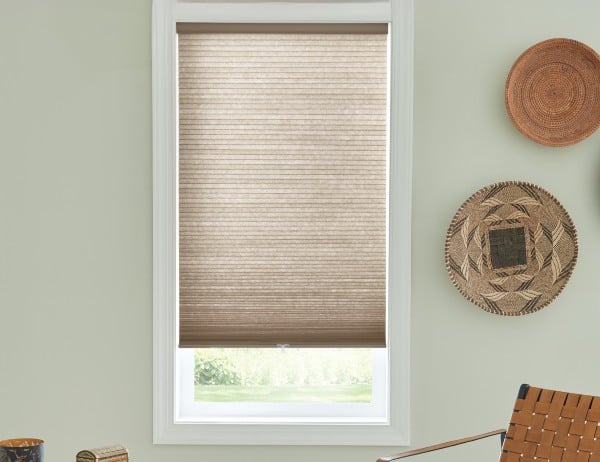
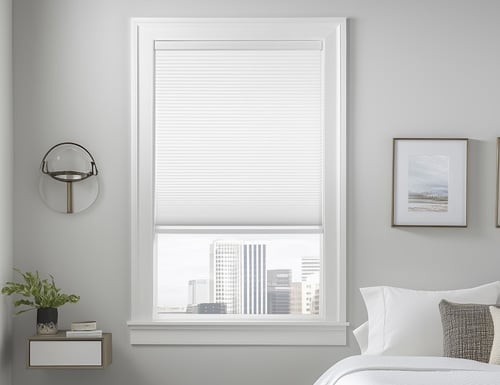
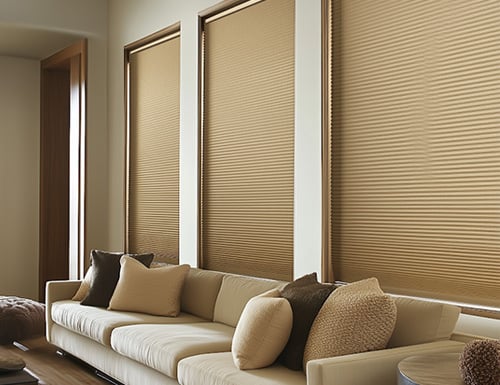
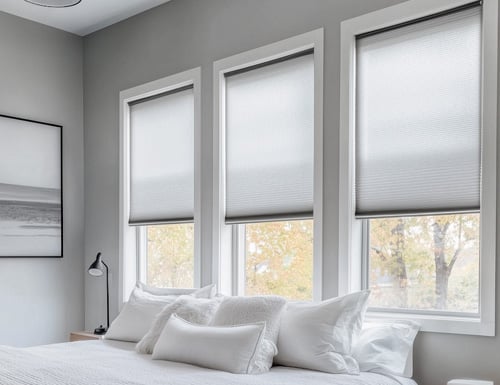
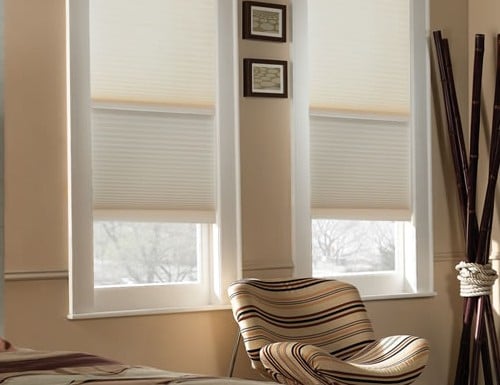
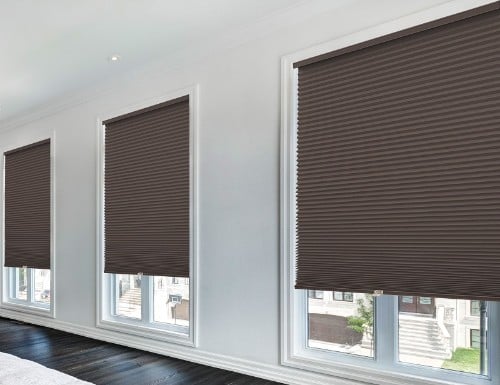
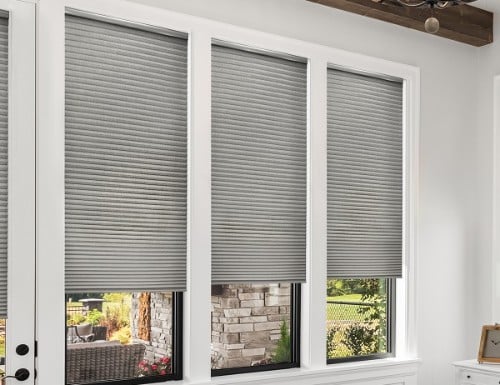
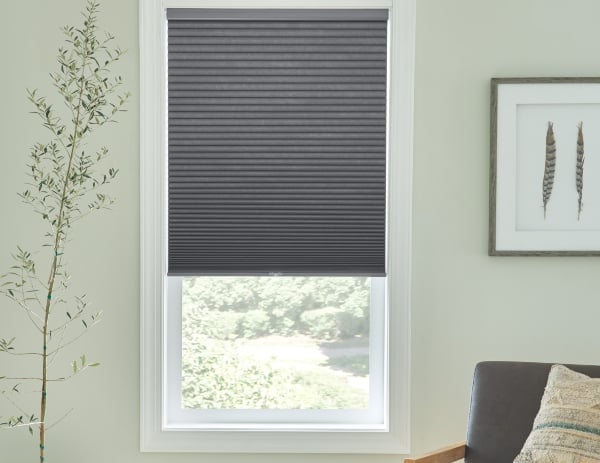
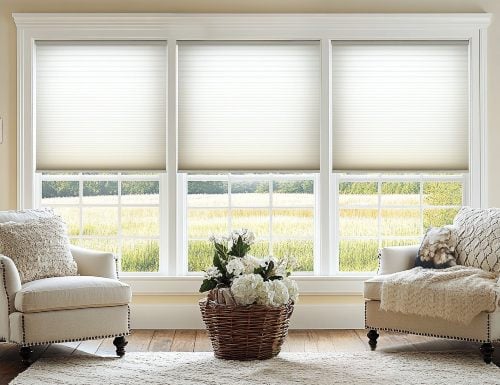
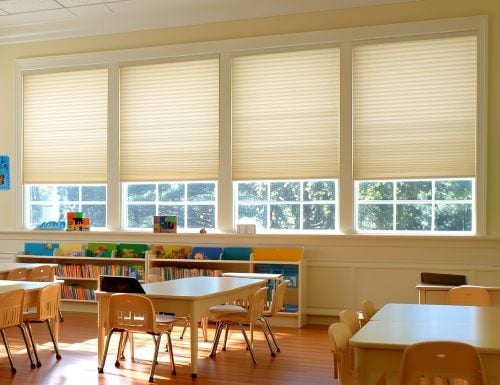
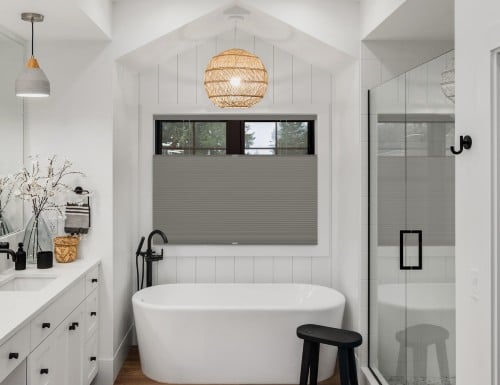
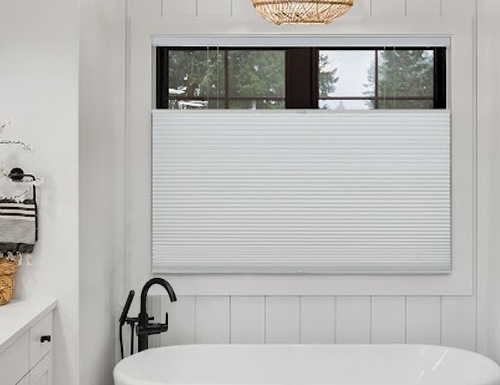
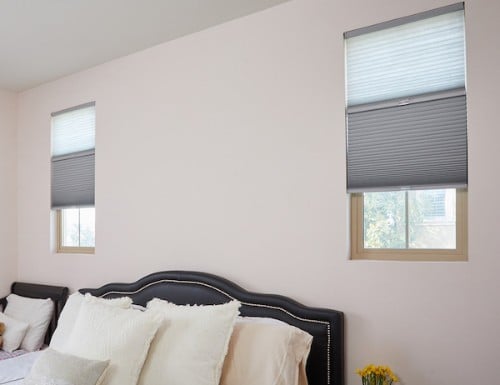
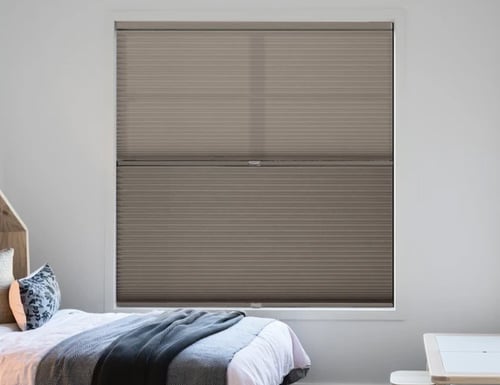
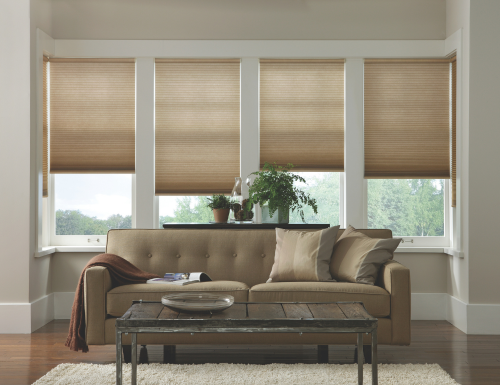
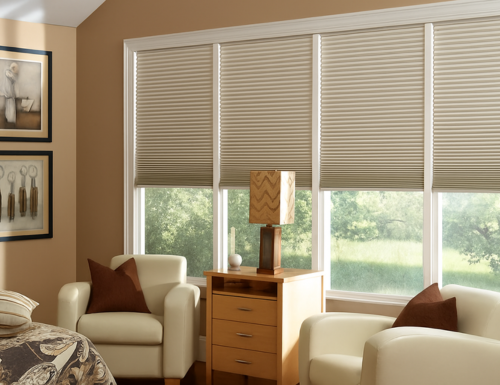
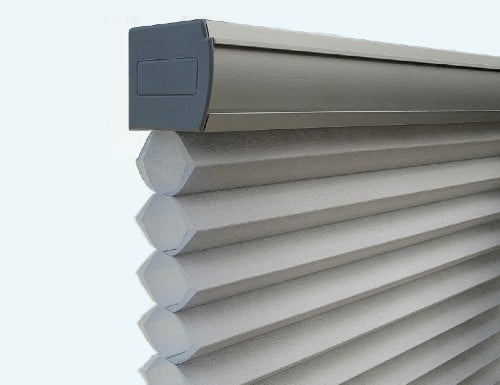
Sound-absorbing window shades, like the ones listed below, are perfect for stopping unwanted noise. The unique cells within cellular shades trap light, uv rays, and sound. So, if you go the cellular shade route, you will also benefit from better light control and a better insulated window against hot or cold temperatures.
For the best possible noise control, you will want to go with the a window blind or shade with a side blocker channel. These fabric window shades utilize a track system on the sides that dramatically reduces the sounds that can come through your window. They also give you near complete control of light. If you are dealing with loud sounds that are affecting your sleep, then these are the shades for you!
We offer free samples, so make sure you order several samples of the sound-blocking shades below to see the difference and also make sure you are getting the color and look you want. The blackout shades typically come with a thicker material.
Browse our wide selection of noise reduction shades below.
Top Sound-Absorbing Shades:
- Cellular Shades are the top window coverings for sound absorption. They are perfect for home theater blinds because they are excellent at blocking light as well as noise reduction.
- Roman Shades are also good noise reduction shades because of the fabric materials. Be sure to order a privacy or blackout liner behind the roman shades.
All of our sound-blocking shades come with a limited lifetime guarantee and you will enjoy free shipping.
Noise Reduction Shades - FAQs
What are noise reduction shades and how do they work?
Noise reduction shades use dense or multi-layer fabrics to absorb and dampen sound reflections inside a room. Options like cellular (honeycomb) fabrics, thicker Roman shade fabrics, and lined drapery reduce echo and soften outside noise—improving comfort even though they are not fully soundproof.
Which shades reduce noise the most?
Double- or triple-cell honeycomb shades, Roman shades with blackout or interlining, and layered solutions (shade + lined drapery) provide the most noticeable sound reduction for typical homes.
Are noise reduction shades the same as soundproofing?
No. Shades reduce noise by absorbing and dampening sound; true soundproofing requires structural changes (glazing, seals, insulated walls). Shades are a simple, non-invasive way to make rooms quieter and less echoey.
Do cellular (honeycomb) shades help with street noise and echo?
Yes. The air pockets in the cells help dampen sound and reduce reflections. For the biggest impact, choose double/triple cell fabrics, room-darkening materials, and consider an outside mount for extra overlap.
Will blackout fabrics and liners reduce noise better than sheers?
Generally, yes. Heavier, multi-layer fabrics (blackout, thermal liners, interlining) absorb more sound than sheer fabrics and can noticeably quiet a space.
Is layering shades with drapery worth it for sound control?
Yes. A shade (e.g., cellular or Roman) plus lined drapery creates multiple barriers and air gaps that absorb and diffuse more sound than a single treatment alone—especially helpful in media rooms and bedrooms.
Inside vs outside mount—what’s better for sound reduction?
Outside mount with generous side and top overlap helps cover gaps that let sound through. If you prefer inside mount, consider adding side returns, drapery panels, or a top valance to improve coverage.
Can side channels or edge seals improve noise reduction at the window?
Yes. Side channels and tighter edge coverage reduce gaps where sound sneaks in. They’re popular for blackout and media rooms and can also help with drafts and light leaks.
Which rooms benefit most from noise reduction shades?
Bedrooms, nurseries, home offices, and media rooms benefit the most. Street-facing spaces or rooms near shared walls also see a clear comfort upgrade.
Do windows and frames affect how well shades reduce noise?
Absolutely. Tight, well-sealed windows block more outside noise. Pair quality windows with noise reduction shades for the best results; add weatherstripping if you feel drafts or see gaps.
What materials should I look for in sound-reducing window treatments?
Dense weaves, multi-layer constructions, room-darkening or blackout backings, and options with interlining or thermal liners perform better. For cellular shades, more cells and thicker fabrics help.
How should I measure to minimize sound leakage around the shade?
For outside mount, add at least 2–3" overlap on each side and above the frame. For inside mount, confirm a square, deep recess and consider accessories that reduce side and top gaps.
Does maintenance affect the sound reduction performance over time?
Keeping fabrics clean and in good condition helps maintain their density and drape. Dust regularly, vacuum gently with a soft brush, and follow care instructions to avoid flattening or damaging fibers.
Are motorized noise reduction shades quiet to operate?
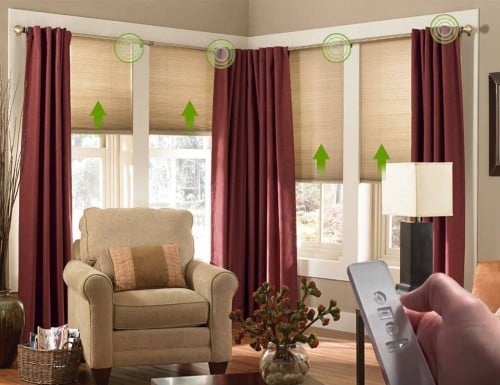
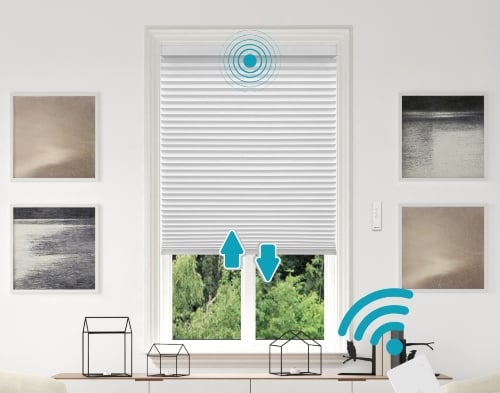
Yes. Modern motors are designed for quiet operation—ideal for nurseries and media rooms. Motorization also lets you set scheduled “quiet hours” so shades close automatically when you need a calmer space.
How much quieter will my room get with noise reduction shades?
Results vary by window quality, exposure, and product selection. Most homeowners notice a softer, quieter feel—less echo, reduced high-frequency street noise, and improved overall comfort—especially when shades are layered or paired with lined drapery.
Any budget-friendly tips to boost sound reduction without remodeling?
Choose room-darkening cellular shades, mount outside with extra overlap, add a lined curtain layer, and seal obvious window gaps with weatherstripping. These small upgrades add up to a noticeably quieter room.
* Production lead times are only an estimate and does not apply to any colors that are out of stock. Production begins the following business day after ordering. Please allow additional time for shipping.