



close
Loading. Please wait...
X

Sign up for special offers:


Composite vs Real Wood Shutters: Which Is the Best Choice for Your Home?Compare composite and real wood shutters to understand differences in materials, durability, maintenance, and cost, helping you choose the best option for your home.
Lexi Westingate | Blinds Chalet Design Team
FacebookFacebookTwitter (X)Pinterest
Updated: Jan 20 2026

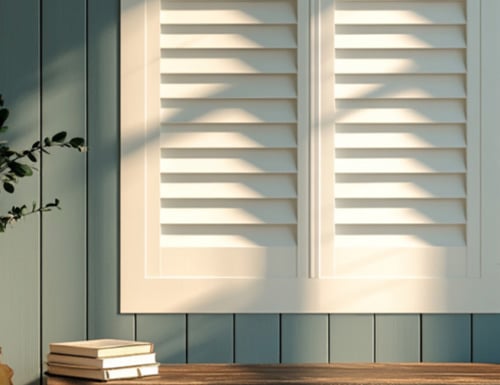
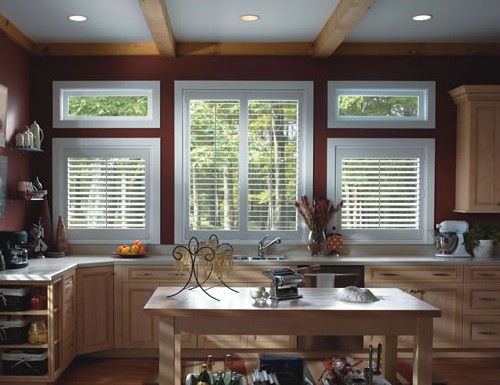
Composite vs Real Wood Shutters: Which Is the Best Choice for Your Home? image

Choosing between composite and real wood shutters comes down to the balance of style, durability, and where you’re installing them. Real wood shutters offer a warm, natural look with authentic grain, perfect for classic interiors and premium finishes, while composite shutters deliver impressive strength and stability, especially in humidity-prone spaces like kitchens and bathrooms. Compare the differences below to find the right shutter material for your home, your climate, and the level of maintenance you want. Here, we’ll break down key differences in materials, durability, maintenance, cost, and overall appearance to help guide your decision.


Shop both Faux Wood Shutters or Real Wood Shutters for an exact fit and premium quality look. Compare styles and features across our full selection of customizable plantation shutters today.


1. Material Composition and Structure


Composite Shutters: Made from a blend of materials like wood fibers, PVC, and synthetic resins, composite shutters are engineered to offer the look of wood but with enhanced durability and moisture resistance. Common types include polyresin or engineered wood cores, making these shutters an excellent choice for high-humidity areas like kitchens and bathrooms.


Real Wood Shutters: Crafted from solid wood species such as basswood, oak, and cedar, real wood shutters offer natural beauty with unique grain patterns. They are well-suited for living spaces where aesthetics are a top priority, giving rooms a warm, authentic feel.


Why It Matters: Composite shutters are ideal for environments that may expose window treatments to moisture or temperature fluctuations, while real wood is perfect for enhancing the natural beauty of more controlled spaces.


2. Durability and Environmental Resistance


Composite Shutters: Designed to withstand moisture and temperature changes, composite shutters resist warping, cracking, and fading. They are treated to prevent UV damage and maintain their appearance even in challenging conditions.


Real Wood Shutters: While undeniably beautiful, wood is naturally more sensitive to environmental factors. Without proper care, wood shutters can warp, swell, or fade in high humidity or direct sunlight.


Why It Matters: If you want a long-lasting option that’s low-maintenance, composite shutters offer the best protection against wear and tear. Wood shutters require more upkeep but provide a luxurious finish that can enhance the charm of your home.


3. Maintenance and Upkeep


Composite Shutters: Low maintenance is one of the key selling points of composite shutters. They only need occasional cleaning with a damp cloth and don’t require refinishing or repainting over time.


Real Wood Shutters: Wood shutters need more attention to maintain their beauty. This can include regular dusting, and periodic refinishing to prevent damage from sun exposure or moisture.


Why It Matters: Composite shutters are ideal for homeowners seeking a no-fuss solution, while those with a preference for natural materials may be willing to invest in the upkeep required for real wood.


4. Aesthetic Appeal and Customization


Composite Shutters: While designed to look like wood, composite shutters have a more uniform appearance. They come in a variety of colors, finishes, and louver sizes but may lack the unique textures of real wood.


Real Wood Shutters: The natural grain of wood adds character and warmth to any room, making each shutter unique. Wood shutters also offer nearly limitless customization options, from stain choices to specialty shapes.


Why It Matters: For a more consistent look, composite shutters work well with modern or contemporary styles. Wood shutters, on the other hand, bring natural beauty and depth that can elevate traditional or historic spaces.


5. Cost Considerations


Composite Shutters: Generally, composite shutters are more affordable than real wood, offering great value for the price. Their durability means fewer repairs or replacements, saving you money in the long run.


Real Wood Shutters: Real wood shutters tend to come with a higher upfront cost due to the materials and craftsmanship involved. However, they can also add long-term value to your home, particularly in high-end or historic properties.


Why It Matters: If budget is a concern, composite shutters provide an affordable, durable solution. Real wood shutters are an investment in luxury and aesthetics, adding value over time.


Explore Even More About Shutters


Conclusion: Choosing Between Composite and Real Wood Shutters


Your choice between composite and real wood shutters ultimately depends on what matters most to you—durability, cost, or natural beauty. For homes in humid environments or for those seeking a low-maintenance option, composite shutters offer excellent performance and value. On the other hand, if you're looking to create a timeless, elegant atmosphere and are willing to invest in upkeep, real wood shutters offer unmatched charm.


Explore our range of composite and real wood shutters at Blinds Chalet to find the best fit for your home.



Composite vs Real Wood Shutters — FAQs


What’s the main difference between composite and real wood shutters?


Composite shutters use engineered materials (wood fibers/resins or PVC composites) for moisture resistance and durability. Real wood shutters use solid hardwood for the most authentic grain, lighter weight, and premium finish options.


Which performs better in humid rooms or coastal climates?


Composite handles humidity, steam, and splashes better, making it ideal for baths, kitchens, and laundry rooms. Real wood can be used with proper finishing and ventilation, but composite is the lower-maintenance choice in wet zones.


Are composite shutters heavier than wood—and does that matter?


Composite panels are typically heavier, which may require sturdier hinges and fasteners on wider windows. Real wood is lighter, helpful for large openings or where you want minimal strain on frames.


Which looks more premium—composite or real wood?


Real wood delivers the most natural grain, crisp joinery, and custom stain options. Composite is paint-grade with smooth, uniform finishes; it can mimic wood but won’t match the depth of true grain.


Which is less likely to warp, crack, or fade over time?


Composite resists moisture-related warping and cracking better. High-quality, kiln-dried wood is stable when properly finished and maintained, but is more sensitive to swings in humidity.


What maintenance do each type of shutter require?


Composite: wipe with a damp cloth; repainting is infrequent. Wood: dust regularly and avoid prolonged moisture; repaint or refinish as needed to keep the finish sealed and fresh.


Which costs more, and how do they compare on long-term value?


Composite usually costs less up front and saves on upkeep in wet areas. Real wood commands a premium for its upscale look and can enhance resale appeal in main living spaces and primary suites.


Are size, louver, and shape options the same for both materials?


Both offer common louver sizes (e.g., 2½", 3½", 4½"), panels, and frame styles. Wood often offers the deepest custom options (arched/tapered shapes, special rails), while composite covers most standard needs.


Can I stain or custom-color match my shutters?


Wood can be stained to show grain or painted to match trim precisely. Composite is typically paint-only in curated color palettes; custom paints may be available depending on program.


Do either composite or wood shutters improve energy efficiency?


Both materials help buffer drafts and heat when closed, thanks to the frame-to-window seal and louver overlap. Performance depends more on fit (inside vs outside mount) and installation quality than material alone.


Where should I use composite vs real wood in my home?


Composite: baths, kitchens, laundry rooms, kids’ spaces, and high-sun exposures. Wood: living rooms, dining rooms, bedrooms, and areas where premium grain and lighter panels are preferred.


Do both offer hidden-tilt, divider rails, and other design features?


Yes. You can choose hidden tilt (rear or internal), center or offset divider rails, split tilts, and various frames/hinge finishes in both composite and wood lines.


Are lead times or warranties different between composite and wood shutters?


Composite often has faster lead times and robust moisture-focused warranties. Wood may have slightly longer production for custom stains and detailing; warranties focus on craftsmanship and finish when properly maintained.


How should I clean composite vs wood shutters to keep them looking new?


Composite: microfiber dusting; damp cloth with mild soap for smudges. Wood: microfiber dusting; use wood-safe cleaners sparingly and dry immediately to protect the finish.


Bottom line—how do I decide between composite and real wood shutters?


Pick composite for moisture-heavy rooms, low-maintenance durability, and budget control. Pick real wood when you want the lightest panels, natural grain, custom staining, and a premium architectural look in main living spaces.


Shop Wood Alternative Shutters

Back to Top
x Blinds Chalet Guarantee Options
DetailsStandardGuaranteed to LastGuaranteed to Love
PricingFREE$$$
Warranty Duration
3 year limited warranty
5 year limited warranty
Warranty Coverage
Defects
Parts
30 Day Returns(in-store credit)

complete details about our guarantee
Guarantee

What Is Covered

Our window coverings are covered against manufacturing defects in materials or craftsmanship when used as intended, provided that:

  • The product has been correctly measured, installed, and operated.
  • All Blinds Chalet guidelines regarding product limitations, maintenance, and care have been followed.

Who Is Eligible

This warranty applies solely to the original purchaser of the product and is non-transferable.


Blinds Chalet’s Responsibility

If a covered defect is confirmed, Blinds Chalet will, at its discretion, repair the product, replace affected parts, or provide a comparable replacement.


Costs not included: The customer is responsible for expenses related to shipping as well as any measuring, installation, removal, or reinstallation services. Labor charges, service visits, and similar costs are not covered by this warranty.

What Is Not Covered

  • Damage resulting from accidents, alterations, misuse, abuse, or neglect.
  • Improper measurement, installation, cleaning, or maintenance.
  • Normal wear and tear, including fading, discoloration, or deterioration from sunlight or moisture.
  • Frayed cords, cord breakage, or reduced cord performance due to age or heavy use.

Fading and normal aging of materials are expected characteristics and are not considered defects.


Warranty Limitations

This warranty is exclusive and replaces any other expressed or implied warranties. No Blinds Chalet employee or representative is authorized to modify or extend these terms.


Blinds Chalet will not be liable for indirect, incidental, or consequential damages resulting from product use or failure.


How to Request Service


Blinds Chalet Customer Care
[email protected]
(480) 470-1127


Please include:

  • Original proof of purchase, which can be your order number or purchase confirmation email
  • A brief description of the issue
  • The location of the window covering and clear photos or video of the issue


Resolution on Warranties and Guarantees
  • BlindsChalet.com reserves, at its discretion, the right to repair, replace or refund any blinds found defective. Limit 1 remake per covered product.
  • If there are multiple blinds/shades in the same room, only the defective product will be replaced/repaired.
  • In the event that a product, color or product feature has been discontinued and it is no longer available we will provide a substitute product as similar as possible to the original blind or shade.
  • Shipping for warranty issues is the responsibility of the customer to and from the repair facility. Packaging on return shipments is the responsibility of the customer.
  • If a product or component has been discontinued, Blinds Chalet will repair or replace the affected part with the closest available match in design and color.
5 Year Guaranteed to Last
  • Standard limited warranty extended from 3 to 5 years.
5 Year Guaranteed to Love
  • Standard limited warranty extended from 3 to 5 years.
  • 30 Day Returns
    If for any reason you are not satisfied with the window coverings and wish to return them for store credit, please notify us within 30 days of receiving the order. Our customer care department will provide a Return Goods Authorization number (RGA) and shipping address for the return. Please note, return shipping costs are the responsibility of the customer and shipping labels are not provided. Returns are for store credit only and store credit will be available immediately after the items are received (Guaranteed to Love fee is not credited).
ad
X
The term "Retail" price refers to the manufacturer's or supplier's suggested retail price for an item. The initially displayed Retail price is specific to a product with the selected dimensions and default options/features. Please note that the Retail price for the selected product will be provided upon specifying its width, height, features and options.

Please note that the Retail price may not reflect the prevailing market price or the regular retail price. It is common for products to be sold at lower prices than the Retail price due to various factors, including promotional events, discounts, market competition, or supplier agreements.

Products may be offered at the same or lower "After Coupon" prices during future promotional events starting on or after the final day of any advertised promotion.

Learn More