






When comparing zebra shades vs cellular shades, homeowners are often deciding between modern layered light control and energy-efficient insulation. Both window treatments offer unique advantages, but they serve different purposes depending on your priorities for light filtering, privacy, and temperature control.
Zebra shades feature alternating bands of sheer and solid fabric that slide past each other to adjust daylight while the shade remains lowered. Cellular shades, also called honeycomb shades, are designed with air-trapping pockets that improve insulation and energy efficiency. Understanding the differences between these two shade styles can help you determine which option works best for your home.
Enhance your home with versatile modern window shade options built for comfort and efficiency.
What Are Zebra Shades?
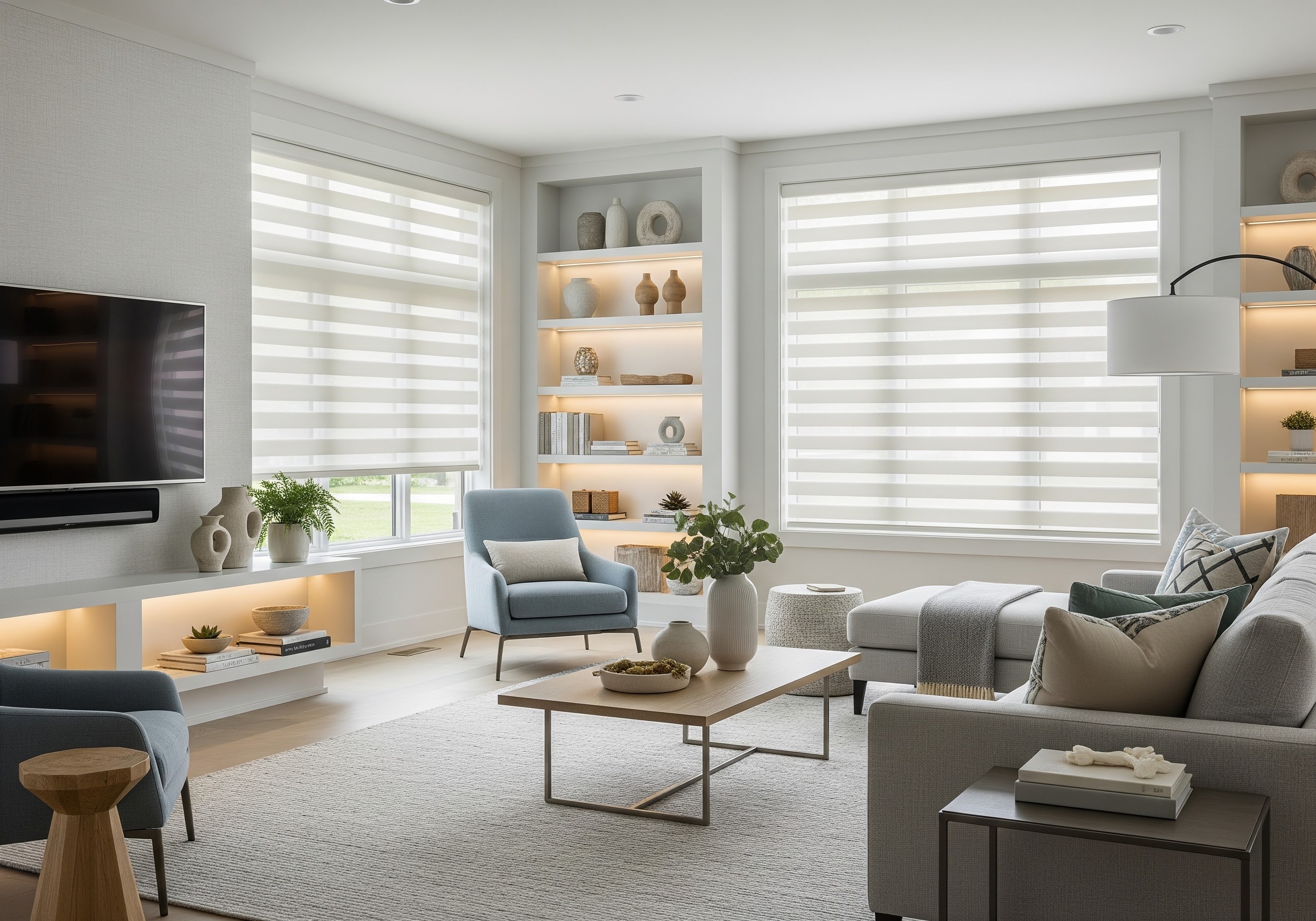
Zebra shades, sometimes called layered shades or banded shades, use a dual-layer fabric design made of alternating sheer and solid horizontal stripes. As the shade moves, the layers shift so the stripes align or overlap, giving you flexible control over natural light and privacy.
This design allows homeowners to filter sunlight without fully raising the shade. Zebra shades are known for their modern appearance and are commonly used in living rooms, offices, and contemporary interiors where adjustable daylight is important. Learn more about what are zebra shades
What Are Cellular Shades?
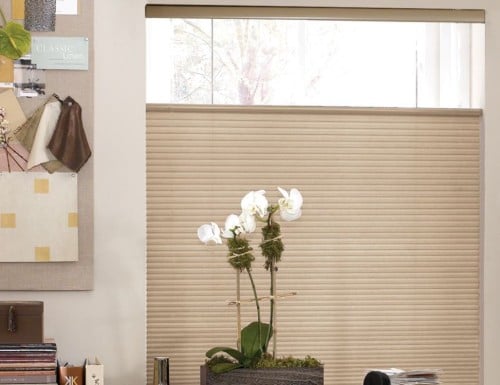
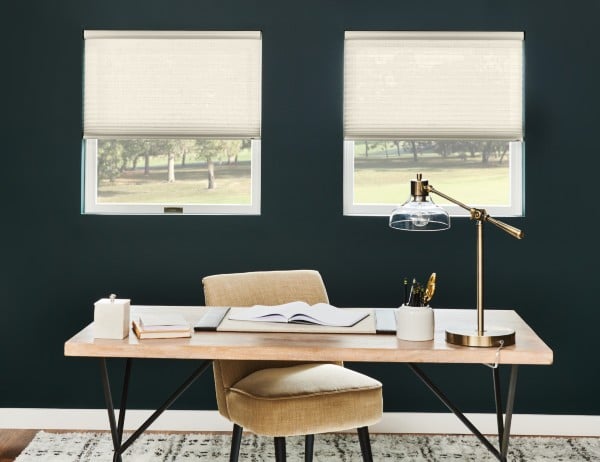
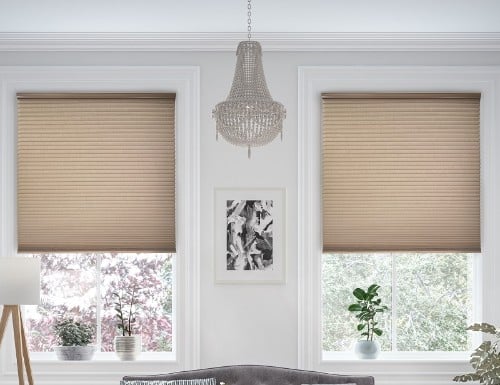
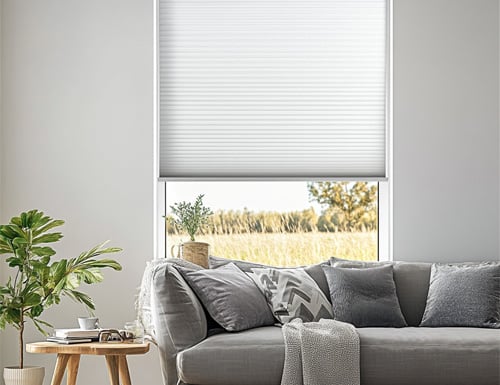
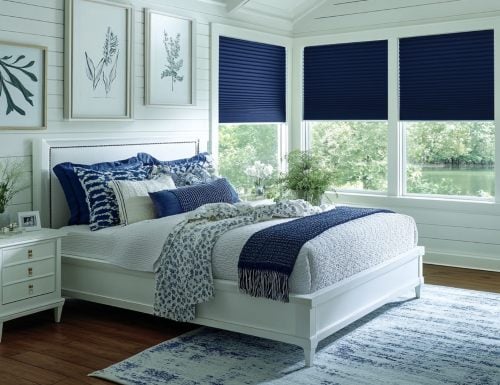
Cellular shades, also known as honeycomb shades, are constructed from pleated fabric that forms air pockets or “cells.” These pockets trap air and create an insulating barrier between the window and the room.
Because of this design, cellular shades are among the most energy-efficient window treatments available. They help reduce heat loss during winter and limit heat gain during summer, making them a popular choice for bedrooms, living rooms, and areas where energy efficiency is a priority. Learn more about what are honeycomb cellular shades
Zebra Shades vs Cellular Shades: Quick Comparison
| Feature | Zebra Shades | Cellular Shades |
|---|---|---|
| Design | Layered sheer and solid fabric bands | Pleated honeycomb fabric cells |
| Light Control | Adjustable by aligning fabric bands | Controlled by raising or lowering shade |
| Energy Efficiency | Moderate insulation | Excellent insulation from honeycomb structure |
| Privacy | Flexible privacy levels | Strong privacy depending on fabric type |
| View Through | Possible through sheer bands | No view when shade is lowered |
| Appearance | Modern layered design | Soft pleated fabric appearance |
| Best For | Adjustable daylight control | Energy efficiency and insulation |
Light Control Differences
One of the biggest differences between zebra shades and cellular shades is how they control natural light. Zebra shades allow you to adjust the amount of light entering the room by aligning or overlapping the sheer and solid fabric bands. This allows filtered daylight while the shade remains fully lowered.
Cellular shades control light primarily by raising or lowering the shade. They are available in several fabric types, including sheer, light filtering, and blackout options. When the shade is lowered, light passes through the fabric depending on the material selected.
Energy Efficiency and Insulation
Cellular shades are widely considered one of the most energy-efficient window treatments. The honeycomb structure traps air and acts as insulation between the window glass and the interior of the room. This can help regulate indoor temperatures and improve overall comfort throughout the year.
Zebra shades provide some light filtering benefits but do not offer the same level of insulation as cellular shades. Homeowners primarily choose zebra shades for adjustable daylight and modern design rather than energy performance.
Privacy and Visibility
Zebra shades offer flexible privacy levels depending on how the fabric bands are aligned. When the sheer bands align, you can still see outside while maintaining some filtered daylight. When the solid bands overlap, privacy increases while the shade remains lowered.
Cellular shades generally provide stronger privacy because the fabric fully covers the window when the shade is lowered. However, this also means they do not allow view-through when the shade is down.
Style and Appearance
Zebra shades are known for their modern and decorative look. The alternating fabric bands create a bold horizontal pattern that adds visual interest to the window while still maintaining a clean contemporary feel.
Cellular shades have a softer fabric appearance with evenly spaced pleats. Their design tends to blend more subtly into the window opening, making them a popular choice for homeowners who prefer a simple and functional window treatment.
Cordless and Motorized Options
Both zebra shades and cellular shades are available with cordless lift systems for a cleaner appearance. Cordless operation removes exposed lift cords and allows the shade to be raised or lowered by adjusting the bottom rail.
Motorized zebra shades and motorized cellular shades are also popular upgrades. Motorization makes it easier to operate large shades or hard-to-reach windows and can allow multiple shades to move simultaneously using a remote or automation system.
Pros and Cons of Zebra Shades vs Cellular Shades
Advantages of Zebra Shades
- Adjustable light filtering without raising the shade
- Modern layered design
- Maintains partial outside visibility
- Decorative alternative to traditional shades
Advantages of Cellular Shades
- Excellent insulation and energy efficiency
- Strong privacy options
- Available in blackout fabrics
- Soft fabric appearance that blends with décor
Which Shade Type Should You Choose?
Zebra shades are an excellent option for homeowners who want adjustable daylight control and a modern window treatment. They work especially well in living rooms, dining areas, and offices where filtered sunlight and visibility are important.
Cellular shades are often the better choice when energy efficiency, insulation, and strong privacy are the top priorities. They are commonly used in bedrooms, living spaces, and homes where reducing heat loss or gain is important.
The best shade depends on your goals. If you want flexible light filtering and contemporary design, zebra shades may be the better fit. If insulation and energy savings are the priority, cellular shades are often the preferred option.
Compare Other Window Shade Styles
If you are exploring different window treatments, you may also want to compare zebra shades and cellular shades with other popular styles. Homeowners often look at roller shades for minimalist design, sheer shades for soft filtered light, or Roman shades for decorative fabric window treatments.
Frequently Asked Questions
What is the main difference between zebra shades and cellular shades?
Zebra shades use layered fabric bands that slide past each other to control light, while cellular shades use honeycomb-shaped fabric cells that improve insulation and energy efficiency.
Are cellular shades more energy efficient than zebra shades?
Yes. Cellular shades are designed with insulating air pockets that help regulate indoor temperatures, making them one of the most energy-efficient window treatments available.
Do zebra shades let you see outside?
Yes. When the sheer bands align, zebra shades allow filtered daylight and partial outside visibility while still covering the window.
Do cellular shades block outside views?
When cellular shades are lowered, they typically block outside views because the pleated fabric fully covers the window opening.
Are zebra shades or cellular shades better for bedrooms?
Cellular shades are often preferred for bedrooms because they provide strong privacy and are available in blackout fabrics that reduce incoming light.
Can zebra shades and cellular shades be motorized?
Yes. Both zebra shades and cellular shades can be upgraded with motorization for convenient operation and automation.
More Zebra Shade Comparisons
Shop our selection of cellular shades to discover a wide range of styles designed for insulation, privacy, and light control.
You can also learn more by visiting our cellular shades guide hub for additional insights and recommendations.

 (
(
 (
(