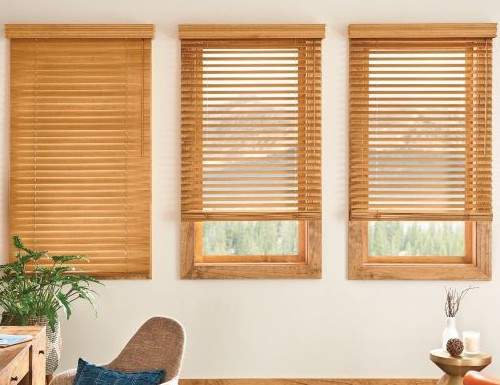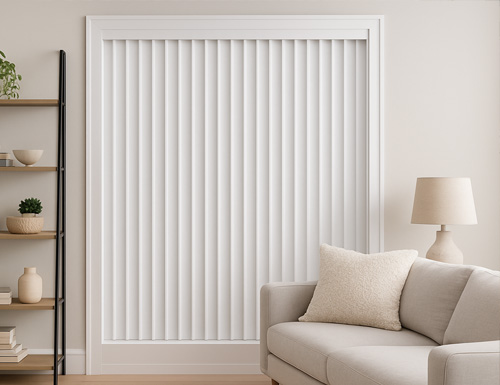









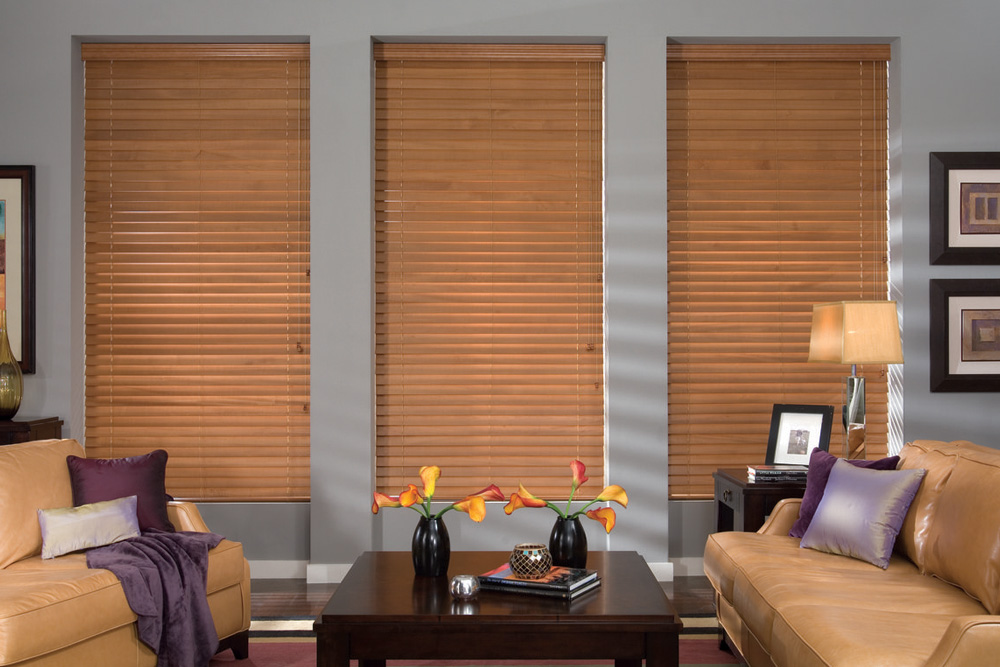
Choosing between real wood and faux wood blinds can feel tricky because both deliver a classic, finished look, just with different strengths behind the scenes. Real wood blinds bring natural grain, warmth, and a lighter weight that many homeowners love for living rooms, dining areas, and bedrooms. Faux wood blinds are built for durability and value, offering a similar style with better resistance to moisture, heat, and everyday wear—making them a smart choice for kitchens, bathrooms, and high-traffic spaces. In this guide, we’ll break down appearance, performance, maintenance, and price so you can confidently choose the blinds that fit your home, your budget, and how you use each room.
Discover a wide range of made-to-measure blinds for every room in your home.
Quick Decision: Real Wood Blinds vs Faux Wood Blinds
If you want the most authentic, high-end look, choose real wood blinds. They offer natural grain, rich stains, and a lighter feel that works beautifully in living rooms, dining rooms, and bedrooms where moisture isn’t a concern.
If you need maximum durability at a better price point, choose faux wood blinds. Faux wood is typically more resistant to humidity and everyday wear, making it a smart option for kitchens, bathrooms, laundry rooms, rentals, and high-traffic spaces.
Still torn? Use this simple rule: prioritize real wood blinds for warmth and premium style, and prioritize faux wood blinds for moisture resistance, easy maintenance, and value.
1. Aesthetics: Authentic Wood vs. Imitation
Real Wood Blinds
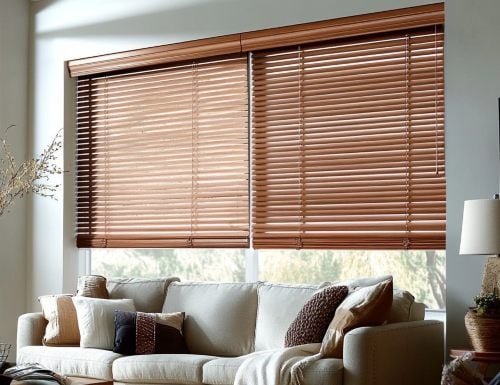
- Timeless Appeal: Real wood blinds are crafted from natural hardwood, providing a luxurious look that’s hard to replicate. Each slat has its own grain pattern, adding character and elegance to your windows.
- Custom Finishes: Available in a wide range of stains and colors, real wood blinds can be customized to match any décor, whether it's a light oak finish or a rich walnut tone.
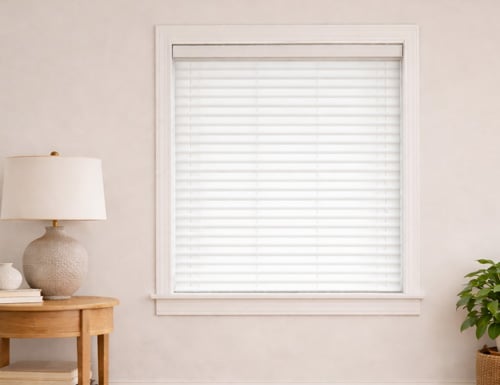
- Close Imitation: Faux wood blinds are designed to mimic the appearance of real wood and are available in a variety of wood-like finishes. While they look convincing, they don’t quite match the warmth and authenticity of real wood.
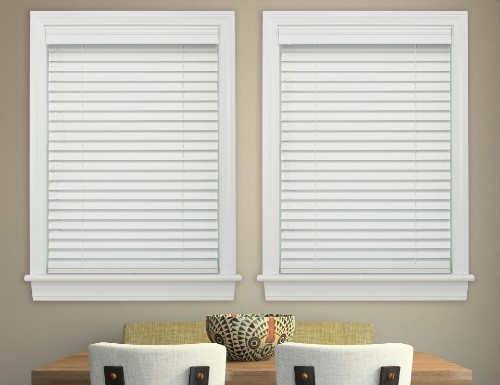
- Uniform Look: Faux wood blinds have a consistent appearance across all slats, making them a good choice if you prefer a uniform look for multiple windows.
Which to Choose? If you prioritize authentic natural beauty and want unique character, real wood is the better option. Faux wood, however, provides a convincing wood-like look at a lower cost.
2. Durability and Moisture Resistance
Real Wood Blinds
- Vulnerable to Moisture: Real wood blinds are best suited for dry areas like living rooms or bedrooms, as they can warp or crack in humid environments.
- Long-Term Durability: With proper care, real wood blinds can last for many years. Regular dusting and occasional polishing will help maintain their finish.
- Moisture-Resistant: Faux wood blinds are highly resistant to moisture, making them ideal for kitchens, bathrooms, or any room with high humidity. They won’t warp or crack like real wood.
- Low Maintenance: Easy to clean, faux wood blinds only need a quick wipe-down to stay looking fresh.
Which to Choose? For high-moisture areas, faux wood blinds are a better choice due to their resistance to warping. For drier rooms, real wood blinds provide unmatched elegance and longevity.
3. Price Considerations
Real Wood Blinds
- Premium Cost: Real wood blinds are typically more expensive due to the use of natural materials and craftsmanship. They are ideal for those seeking high-end, long-lasting window treatments.
- Affordable Option: Faux wood blinds are more budget-friendly, offering a great alternative for homeowners who want the look of wood without the higher price tag.
Which to Choose? If you’re working within a budget, faux wood blinds provide great value. If you’re willing to invest in premium window treatments, real wood blinds offer timeless appeal and quality.
4. Insulation and Energy Efficiency
Real Wood Blinds
- Superior Insulation: Wood is a natural insulator, helping to regulate the temperature in your home and potentially lowering energy costs. Real wood blinds keep rooms cooler in the summer and warmer in the winter.
- Good Insulation: While faux wood blinds offer some insulation, they don’t match the natural insulating properties of real wood. However, they still help block sunlight and manage indoor temperatures.
Which to Choose? For maximum insulation and energy efficiency, real wood blinds are the better option. Faux wood still provides decent insulation, but not to the same degree.
5. Environmental Impact
Real Wood Blinds
- Sustainable Materials: When sourced responsibly, real wood blinds are an environmentally- friendly choice. Many manufacturers use wood from sustainably managed forests, making real wood a renewable resource.
- Non-Biodegradable: Made from synthetic materials, faux wood blinds are durable but not biodegradable. Their production process can also have a larger environmental impact.
Which to Choose? If sustainability is important to you, real wood blinds made from responsibly sourced materials are the eco-friendlier option. Faux wood blinds may not have the same environmental benefits.
Weight & Large Windows: What to Choose
For wide or tall windows, weight matters more than most people expect. Faux wood blinds are often heavier than real wood blinds, which can make lifting larger sizes feel more demanding and can put more strain on the headrail over time.
Real wood blinds are typically lighter, which can make them easier to raise and lower on bigger windows. If you’re covering a large opening and want smoother daily operation, real wood can be a more comfortable choice—especially if you open and close the blinds frequently.
Regardless of material, large windows benefit from upgraded lift options. Consider cordless lift for a cleaner look, or motorized lift/tilt for effortless control—especially on oversized windows where weight and frequent use can become a hassle.
Heat + Sun Exposure: South- and West-Facing Windows
Sunny windows can be tough on any window treatment. Real wood blinds may gradually fade or shift in tone with strong UV exposure, especially with darker stains. Over time, extreme dryness and heat can also affect natural wood if the room experiences big temperature swings.
Faux wood blinds handle humidity well, but intense heat and direct sun can still affect performance depending on the material. In very hot, sun-baked windows, some faux wood styles may be more prone to slight bowing or warping, so choosing a quality product and proper sizing is important.
To get the best long-term results in high-sun rooms, consider lighter colors, add a valance for a cleaner top finish, and use tilt to bounce light up and reduce harsh glare. Pairing blinds with drapery side panels can also help manage heat and protect the finish over time.
Room-by-Room Recommendations
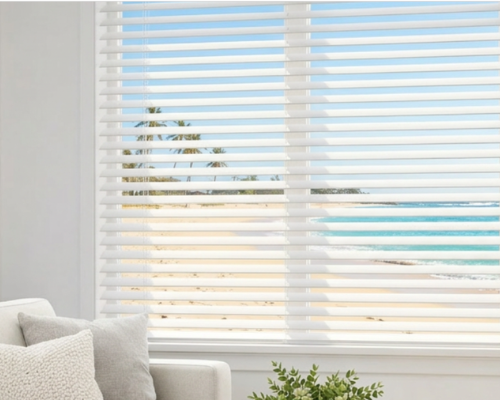
Living rooms & dining rooms: Real wood blinds are a popular pick here because the natural grain and warm stains feel high-end and complement wood floors and furniture. Faux wood blinds also work well if you want a crisp painted look (like bright white) or need a more budget-friendly option across many windows.
Bedrooms: Either material can work, so choose based on style and maintenance. Real wood blinds bring warmth and a premium look, while faux wood blinds offer durability and easy cleaning—especially helpful if you prefer a bright, uniform white finish.
Kitchens, bathrooms & laundry rooms: Faux wood blinds are usually the safer choice in moisture-prone areas thanks to their resistance to humidity and easier wipe-down cleaning. If you love the look of real wood, consider using it in nearby dry spaces and choosing faux wood in the wet zones for consistency and performance.
Home offices & street-facing rooms: Pick the option that best supports privacy and glare control. Both real wood blinds and faux wood blinds can provide excellent light control with proper tilt, and you can reduce visibility further by choosing no-holes routing or adding cloth tapes for a tighter finish.
Rentals & high-traffic homes: Faux wood blinds are often the go-to because they’re durable, cost-effective, and easy to maintain. They’re a practical way to keep a consistent look throughout the home while holding up to everyday use.
Explore Wood Blinds
You can also explore:
- Faux Wood Blinds Expert Advice Hub
- Real Wood Blinds Expert Advice Hub
- Top Selling Real Wood Blinds
- Highest Rated Wood Blinds
- Top Selling Faux Wood Window Blinds
- Highest Rated Faux Wood Window Blinds
Conclusion: Real Wood or Faux Wood?
Choosing between real wood and faux wood blinds comes down to your personal preferences, budget, and the room's environment. If you want natural beauty, superior insulation, and a premium finish, real wood blinds are the ideal choice for spaces with low moisture. On the other hand, if you need durable, moisture-resistant blinds for high-humidity areas or are looking for a more budget-conscious option, faux wood blinds are a smart solution. Both options offer great style and functionality, ensuring that whichever you choose, your windows will look beautiful and perform well.
Real Wood vs Full Wood Blinds — FAQs
Is there a difference between “real wood” and “full wood” blinds?
How do real/full wood blinds differ from faux or composite blinds?
Are real/full wood blinds lighter than faux? Does that matter for big windows?
Can I use real/full wood blinds in bathrooms or above sinks?
Do real/full wood blinds offer more finish choices than faux wood?
Which holds up better to sun exposure—real/full wood or faux wood blinds?
Do real/full wood blinds give better privacy than faux wood blinds?
Are real wood blinds harder to clean than faux or composite blinds?
Do real/full wood blinds cost more? Are they worth it?
Are slat sizes different between real/full wood and faux wood blinds?
Are real/full wood blinds sustainably sourced?
Where should I use real/full wood blinds vs faux wood in my home?
Can real/full wood blinds be cordless or motorized like faux wood blinds?
Which material is easier to match to trim or cabinetry—real wood or faux?
Bottom line: how do I choose between real/full wood and faux/composite blinds?
Compare colors, slat sizes, and lift options in our selection of custom wood blinds to find the best fit for your windows.
Still deciding? Check out our faux blinds buying guides to help you choose with confidence.

 (
(

 (
(